
![[IPWatchdog Logo]](https://ipwatchdog.com/wp-content/themes/IPWatchdog%20-%202023/assets/images/temp/logo-small@2x.png)

 0
0 “A common misconception is that entering Nigeria means operating outside the international IP framework U.S. companies already know. That is not accurate.”
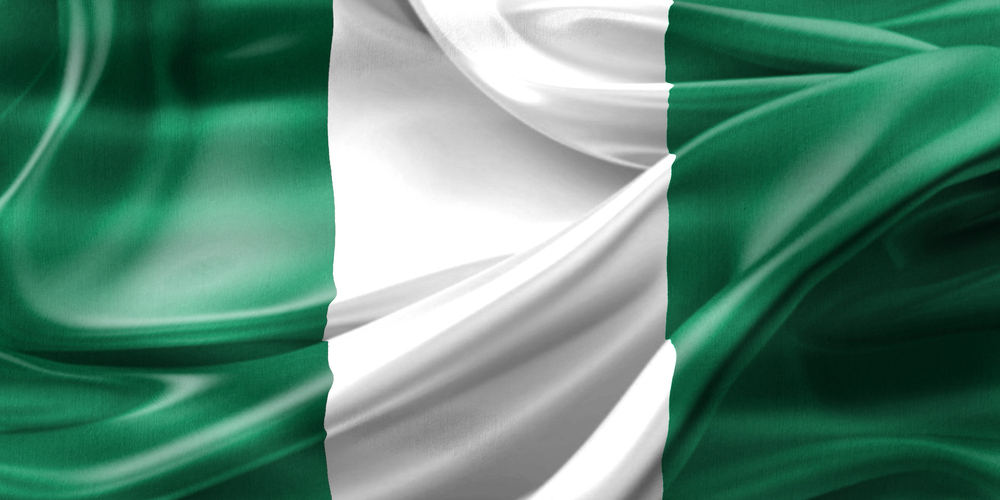 U.S. companies planning to enter Nigeria typically build a careful playbook for market research, distribution, hiring, and regulatory compliance. Intellectual property is often the item furthest down that list, treated as paperwork to handle once commercial activity is already underway.
That sequencing is backwards, and it is worth understanding why.
Nigeria’s registries operate on a first-to-file basis: the party that files first generally holds the rights, regardless of who used the name, built the technology, or created the work first elsewhere in the world. A company that waits until after it has launched, marketed, or signed a local distributor to think about IP is choosing to compete for rights it could have secured months earlier, on far more favorable terms.
Why Nigeria Now
The commercial case for Nigeria does not need embellishing. It is Africa’s most populous country and largest economy, with a young, digitally engaged population and one of the continent’s most active fintech and technology sectors. Nigerian-built payment infrastructure now moves money across borders that traditional banking never reached. Nigerian music and film are reaching U.S. audiences through mainstream streaming and distribution deals. Government initiatives have been actively encouraging both domestic innovation and foreign investment.
Nigeria has also been modernizing the legal infrastructure that protects the businesses operating there. The Copyright Act, 2022, signed into law in March 2023, was the first major overhaul of Nigerian copyright law in nearly two decades. It gave the Nigerian Copyright Commission expanded enforcement tools for the digital era, including notice-and-takedown procedures for infringing online content and the authority to act against websites that facilitate piracy. That is a meaningful signal about the direction of the country’s IP institutions, and it is exactly the kind of infrastructure a company wants in place before it builds a brand or licenses technology in-market, not after.
Nigeria Has Its Own IP Ecosystem, and It Connects to the Global One
A common misconception is that entering Nigeria means operating outside the international IP framework U.S. companies already know. That is not accurate.
Nigeria is a member state of the World Intellectual Property Organization (WIPO) and a party to the Patent Cooperation Treaty (PCT), which means an international patent application can designate Nigeria alongside other PCT member countries, allowing a company to pursue patent protection in Nigeria as part of a broader international filing strategy rather than as an entirely separate process. Nigeria is not currently a party to the Madrid Protocol, the treaty that allows a single international application to cover trademark protection in multiple countries at once. That means trademark protection in Nigeria requires a direct, national-level filing with the Nigerian Trademarks, Patents and Designs Registry, a step that cannot be shortcut through an international registration the way it can in some other markets.
Copyright operates differently still. Nigeria is a party to the Berne Convention, which means works protected by copyright in one member country generally receive corresponding protection in other member countries without the need for separate registration. Registration with the Nigerian Copyright Commission is not mandatory to establish copyright, but it creates useful legal presumptions, about ownership and the date a work existed, that matter considerably in an infringement dispute.
Put together, Nigeria’s IP ecosystem is not a workaround or a parallel system. It is a functioning, increasingly modern set of institutions—the Nigerian Copyright Commission, the Trademarks, Patents and Designs Registry, and the Federal High Court for enforcement—that connects directly to the international treaty framework U.S. companies already operate within through the USPTO and WIPO. The practical task is knowing exactly where that connection exists, as with patents, and where it does not, as with trademarks, so filings are structured correctly the first time.
What This Looks Like in Practice
Trademarks need to be filed directly with the Nigerian Trademarks, Patents and Designs Registry, and filed early, ideally before any public marketing or distributor conversations, given the first-to-file environment.
Patents protecting proprietary technology or processes can be pursued through a PCT international application designating Nigeria, coordinated with a company’s broader international patent strategy rather than treated as a standalone Nigerian filing.
Copyrights covering software, content, and creative works are automatically protected under Berne Convention principles, but formal registration with the Nigerian Copyright Commission strengthens a company’s position considerably if that protection is ever contested.
Trade secrets depend entirely on internal discipline rather than government filing: confidentiality agreements, restricted access to sensitive information, and employment and contractor agreements that clearly establish ownership before information is shared with local partners, manufacturers, or distributors.
The Practical Takeaway
None of this requires treating Nigeria as legally complex in a way that should discourage entry. It requires treating it the way a well-run company treats intellectual property anywhere: as a strategic asset to secure early, using counsel who understand both the U.S. side of a company’s existing IP portfolio and the specific mechanics of Nigerian registration, enforcement, and contract law.
The companies that get this sequencing right, securing trademark, patent, copyright, and trade secret protection before or alongside market entry rather than after it, are the ones positioned to license their technology with confidence, defend their brand without a fight, and build a Nigerian presence on the same solid legal footing they would expect at home.
Image Source: Deposit Photos
Author: MP_foto71
Image ID: 673948732
![[Advertisement]](https://ipwatchdog.com/wp-content/uploads/2026/09/MarqVision-Oct-8-2026-sidebar-700x500-rev.jpg)
![[Advertisement]](https://ipwatchdog.com/wp-content/uploads/2026/10/IP-Copilot-Oct-13-2026-sidebar-700x500-1.jpg)
![[Advertisement]](https://ipwatchdog.com/wp-content/uploads/2026/10/Junior-Oct-15-2026-sidebar-700x500-1.jpg)
![[Advertisement]](https://ipwatchdog.com/wp-content/uploads/2026/09/WE-BUY-PATENTS-SIM-IP-Ad-1-revised-on-Sep-28-2026-700x500-1.jpg)
![[Advertisement]](https://ipwatchdog.com/wp-content/uploads/2026/09/Life-Sciences-2026-sidebar-early-bird-date-corrected-700x500-1.jpg)
![[Advertisement]](https://ipwatchdog.com/wp-content/uploads/2024/09/Patent-Prosecution-Training-sidebar-700x500-2025-03-27.jpg)





![[Advertisement]](https://ipwatchdog.com/wp-content/uploads/2021/12/WEBINAR-336-x-280-px.png)
![[Advertisement]](https://ipwatchdog.com/wp-content/uploads/2021/12/Ad-4-The-Invent-Patent-System™.png)





Join the Discussion
No comments yet. Add my comment.
Add Comment