


 0
“The innovation bargain has two sides. Policy should promote timely access and vigorous competition while preserving a credible path for investors and researchers to take the risks required to develop new treatments.”

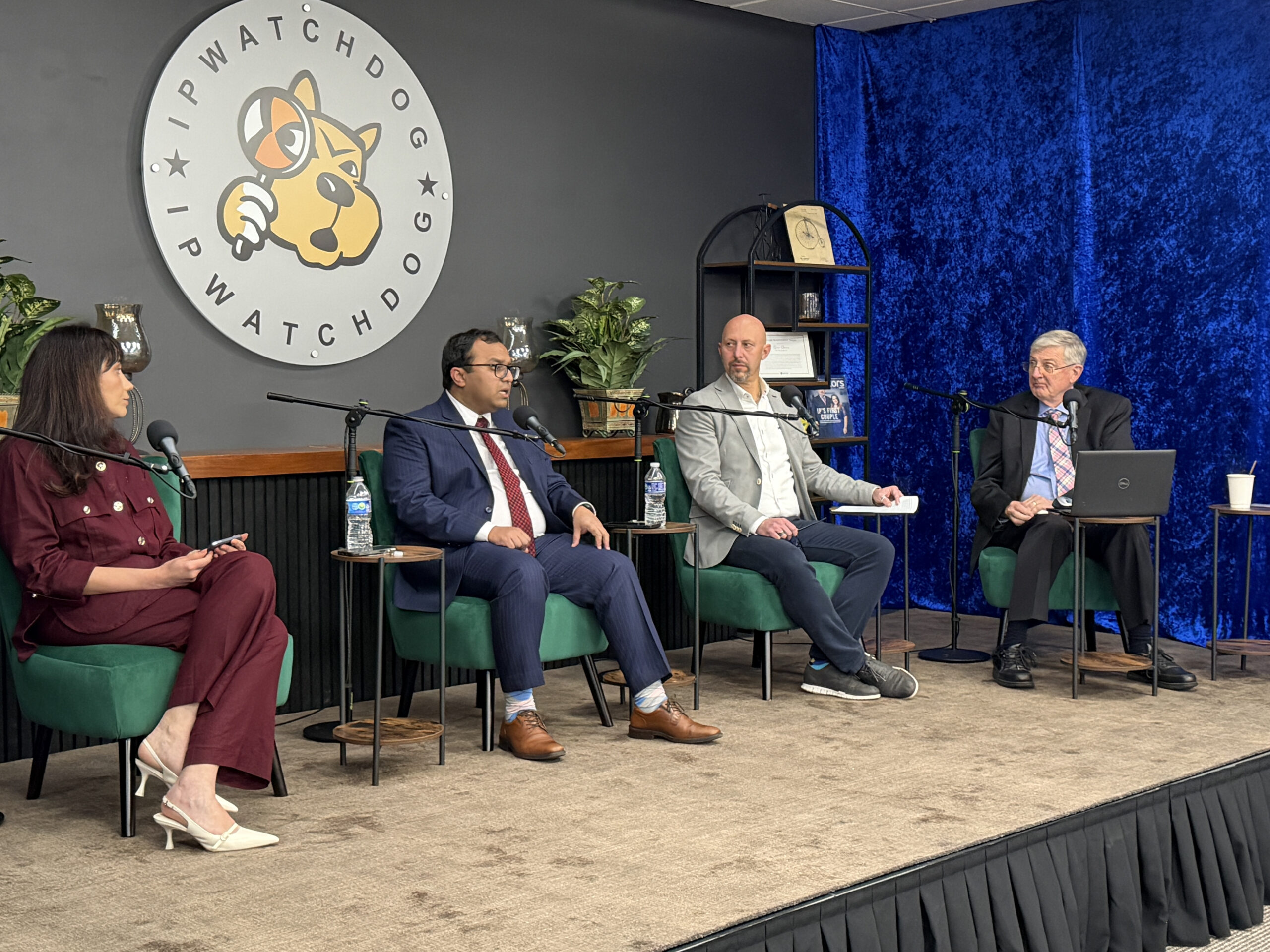
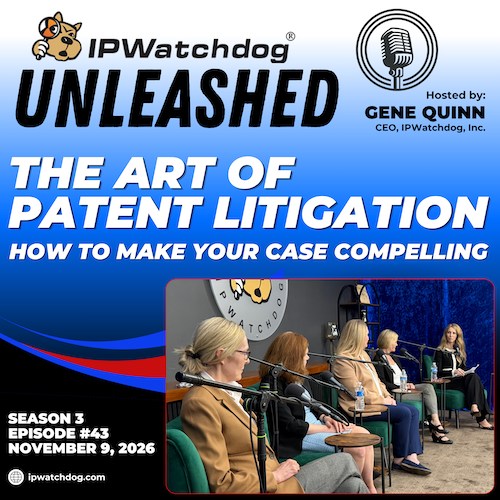
From left:Isabella Bonisolo, Ratib Ali, Christian Bauer and Alden Abbottt
At the November 9, 2026, IPWatchdog Life Sciences Masters panel, “Patents, Pricing, Competition and the Future of Medical Innovation,” our discussion kept returning to a practical question: will the rules in place today leave investors and biopharmaceutical companies confident enough to fund the medicines patients may need years from now?
That question connects patent protection to much more than the date a patent expires. Companies make decisions amid regulatory exclusivities, Medicare pricing rules, generic competition, patent listing requirements, antitrust scrutiny, and pricing regulation in foreign markets. The rules differ, but their combined effect shapes the expected return on an uncertain, lengthy research program. A sound debate about drug affordability should account for that full picture. Competition and innovation both serve patients, and policy should preserve the conditions that allow each to work.
The panel brought together perspectives from biotechnology counsel Christian Bauer, economist Ratib Ali of Competition Dynamics, and Brazilian patent attorney Isabella Bonisolo of Licks Attorneys.
Patents Help Finance Early Stage Research
Bauer described patents as a financing instrument. At the earliest stages, a biotechnology company may have promising science but no approved product, manufacturing capability, or established revenue. It needs capital to move from discovery through clinical testing and regulatory review. Patent rights can help make that investment possible by giving the company and later partners a defined opportunity to commercialize the invention if development succeeds.
Venture investors also need an exit. For an early-stage company, that may come through an initial public offering or an acquisition by a larger pharmaceutical company before the product reaches approval. The acquirer’s willingness to pay depends on its assessment of the medicine’s potential market, the quality of the evidence, the remaining development costs, and the expected period in which it can earn a return. Patent protection is one part of that package, alongside regulatory exclusivity, know-how, trial data, and the prospect of meeting a medical need.
Drug development is risky. A company can spend years and substantial sums on a candidate that fails in clinical testing or never earns regulatory approval. Investors therefore compare the potential return with the risk and the time required to realize it. Policies that reduce or make uncertain the potential revenue from a successful product can affect investment decisions well before a company has a drug ready to sell.
This is one reason the panel questioned the reflexive suspicion of acquisitions by established pharmaceutical firms. Small biotechnology companies often have scientific expertise and an early asset; larger companies may have the capital, clinical development experience, regulatory teams, manufacturing capacity, and commercial networks needed to carry that asset forward. A transaction can combine complementary capabilities and provide an exit for early investors. Of course, an acquisition that eliminates meaningful competition may raise antitrust concerns. The relevant question is what the evidence shows about competition and likely effects, rather than whether the buyer is large or the target is small.
Ali added that scale can matter to commercialization. A startup may not be equipped to manufacture and distribute a medicine broadly. If public policy makes partnerships or acquisitions harder without addressing those practical limits, it could create a problem and then cite the resulting lack of commercialization as a reason for government intervention. That possibility deserves careful scrutiny when policymakers discuss “march-in” rights under the Bayh-Dole Act. Using march-in as a general price-control tool could unsettle expectations around federally funded inventions without ensuring that another party can successfully develop and supply the product.
Predictable Rules Matter Throughout the Development Cycle
 The panelists agreed on the importance of predictable rules. Drug development can take far longer than a typical business planning cycle. Scientists, boards, and investors must make decisions about a candidate’s chemistry, target population, clinical trial design, and development path while regulatory and pricing rules may change around them. If the expected commercial opportunity is difficult to estimate, investors may discount the project or direct capital elsewhere.
The Inflation Reduction Act’s Medicare Drug Price Negotiation Program was one example discussed. The statute makes certain single-source drugs eligible for selection for negotiation after a period of time on the market. In general, the relevant threshold is nine years after approval for a small-molecule drug and 13 years after licensure for a biologic, subject to other statutory eligibility requirements and exclusions. Those are negotiation eligibility thresholds, not patent terms. Nor do they guarantee that a particular drug will be selected exactly when it reaches the threshold. The Centers for Medicare & Medicaid Services’ program materials describe the selection and negotiation process.
The issue was especially timely: on November 5, CMS issued a final rule codifying the program for 2029 and later years, with an effective date of December 5, 2026. The rule formalizes policies developed during the program’s first years and adds or clarifies implementation details. Its timing underscored the panelists’ point that companies are making long-term development choices while important parts of the pricing framework continue to take shape.
Even with those qualifications, investors may factor the statutory design into a program’s expected value from an early stage. A company deciding between a small molecule and a biologic, for example, may consider differences in development costs, clinical timelines, patent position, and potential exposure to Medicare negotiation. That is a business judgment shaped by the entire regulatory framework, not by patent law alone.
The panel did not claim that every pricing rule necessarily reduces research or that every change will redirect capital. Ali emphasized that the empirical effects of a new program may take time to emerge. His broader point was that firms need clear rules and a stable basis for estimating costs and returns. If the rules shift repeatedly during a development program, a company may find it harder to plan, and investors may demand a higher return before accepting the risk.
Bonisolo’s account of Brazil showed why a single global strategy is unrealistic. In Brazil, patents, marketing approval, and price setting operate on distinct tracks. The Chamber of Regulation of the Medicines Market (CMED) sets maximum prices, while patent protection follows a separate legal process. A new CMED framework took effect in 2026, including a category for incremental innovation that requires evidence of additional benefits. The Brazilian government says the new pricing rules are intended to increase predictability while recognizing demonstrated therapeutic or other benefits. This framework does not determine patentability, but it affects the commercial setting in which a patent may be used.
Bonisolo also described the importance of local patent term rules, the absence of a U.S.-style Orange Book linkage system, and the need to monitor market entry and be prepared to litigate. Brazil’s patent office issued updated examination guidance in 2026 for claims involving new uses of known products. The INPI guidance illustrates how another country can draw different lines around second medical use claims and treatment methods.
Competition Includes More than Generic Entry
The panel also considered what “competition” means in pharmaceutical markets. A patent does not automatically establish that a company can charge any price without constraint. Products that treat the same condition may compete even when they use different technologies and are protected by different patents. If patients, physicians, or payers regard medicines as substitutes, those alternatives can limit demand for any one product.
Ali stressed that market definition should reflect how consumers use and substitute among products. He recounted a damages matter in which a newer, long-acting product from the patent holder itself diverted demand from the older product at issue. The alleged infringement did not explain all the claimed lost sales; competition from the company’s own alternative also mattered. That example highlights a point sometimes obscured by patent debates: the scope of a patent and the scope of a relevant product market are different questions.
Generic entry is another important competitive force. Under the Hatch-Waxman framework, generic applicants may rely on the FDA’s findings for a reference drug, while challenging listed patents through the statutory process. Once generics enter, price competition can be substantial, particularly when multiple suppliers reach the market. But the timing and extent of that competition depend on the product, the number of entrants, substitution practices, and other market conditions.
The discussion also touched on the relationship between Medicare negotiation and generic incentives. Ali said the data may not yet answer whether lower prices under negotiation will materially affect generic entry decisions. Economic theory suggests that a smaller expected revenue pool could make entry less attractive at the margin, but the outcome depends on costs, expected sales, competition, and the generic’s ability to capture market share. This is an empirical question, and policymakers should evaluate evidence as it develops.
Follow-on Research Can Create Real Value
After a medicine is approved, the research may continue. A company may test it for another indication, study a different patient group, change a formulation or delivery method, or identify a safer or more effective dosing regimen. These projects can require new clinical evidence and substantial investment. They can also produce benefits that matter to patients and health systems, even when the original active ingredient remains the same.
Bauer described the business challenge of pursuing a second indication. A broader patient population may require a larger or longer clinical trial than the first approved use. The company must decide whether the potential benefit and market justify the additional expense. If expected returns are too low, it may decline to conduct the study. That decision can leave a scientifically promising use unexplored, although the extent of that effect will vary among projects.
This is why “evergreening” is an imprecise label when used to condemn all follow-on patents. Some follow-on claims may be weak or strategically aimed at delaying entry; others may cover a meaningful improvement backed by evidence. The patent system should assess novelty, nonobviousness, written description, and enablement on the merits. Antitrust analysis should likewise focus on conduct that harms competition, not on the mere fact that a company sought or obtained a patent for an improvement.
Under federal antitrust law, aproduct improvement that attracts customers because it offers better performance is not automatically anticompetitive. The analysis may change when a company uses exclusionary conduct to obstruct rivals, and the details matter. Product “hopping,” where a company shifts sales from an older product to a new one before generic entry, can raise difficult questions about whether the change reflects improved treatment options or whether the conduct impairs generic substitution. The legal outcome turns on evidence and governing law, not a label applied to the business strategy.
The panel noted that enforcement approaches differ across jurisdictions. U.S. federal antitrust doctrine is not identical to the European Union’s rules on abuse of dominance, and state law may add uncertainty for companies operating nationally. The Federal Trade Commission Act’s prohibition on unfair methods of competition can also raise questions about how far agency authority extends beyond the Sherman Act. In each setting, firms need to distinguish lawful product competition and patent enforcement from conduct that actually forecloses rivals or harms consumers.
Orange Book Listings Need Clear Boundaries
For certain small-molecule drugs, the Hatch-Waxman Act requires brand manufacturers to submit specified patent information to the Food and Drug Administration (FDA) for listing in the Orange Book. Those listings notify generic applicants of patents they may need to address. Under the statute, a timely infringement suit over a listed patent can trigger a stay of FDA approval of a generic application for up to 30 months while the patent dispute proceeds, subject to the law’s terms.
The Federal Trade Commission (FTC) has challenged some listings it views as improper and has stated that improper Orange Book listings may be unfair methods of competition. The agency’s 2023 policy statement and subsequent challenges put the issue squarely on the industry’s agenda. The FDA’s role is limited: it maintains the Orange Book and generally does not adjudicate patent eligibility for listing in advance.
Bauer urged companies to take the listing obligation seriously while recognizing that some patents may fall into gray areas. A large number of patents does not itself prove abuse; a complex product may be covered by multiple patents involving ingredients, formulations, and methods of use. At the same time, a patent that does not meet the statutory listing criteria should not be included simply because listing could delay generic competition. The sound approach is a careful, documented patent-by-patent assessment under the statutory and regulatory rules. Clearer agency guidance could help reduce uncertainty for both brand and generic manufacturers.
PBM Enforcement May Have Effects Across the Supply Chain
In closing, I raised the possibility that antitrust actions against pharmacy benefit managers (PBMs) may affect drug manufacturers as well as the intermediaries directly targeted. The FTC has pursued cases alleging that PBM rebate practices contributed to high insulin list prices and patient costs. By November 2026, the agency had reached settlements with Express Scripts and Caremark, while its case involving Optum remained unresolved. The FTC’s PBM case materials describe the allegations and status of those proceedings.
The panel did not predict how these settlements will change the market or what effects they may have on patented drug makers. That remains to be seen. But restructuring rebate, formulary, or pharmacy practices could alter bargaining and distribution incentives across the supply chain. Antitrust remedies should be assessed for their full effects, including consequences for patients, pharmacies, payers, and manufacturers. A policy aimed at one part of the system can change incentives elsewhere.
Aligning Affordability with Future Innovation
The panel’s central lesson was that drug innovation depends on a chain of decisions made over many years. Investors assess scientific risk and the possibility of a successful exit. Companies decide whether to pursue new indications and how to design clinical programs. Patent owners consider disclosure, prosecution, and Orange Book obligations. Regulators set approval and pricing rules, while competition authorities evaluate mergers and business conduct.
Each policy choice can affect the expected returns from research, but its effects are not uniform. Some projects may remain attractive under a new rule; others may be delayed, redirected, or abandoned. The impact may fall especially hard on diseases that require expensive trials or affect smaller patient populations. It is therefore important to ask not only whether a policy reduces prices today, but also how it changes the mix of research that companies are willing to undertake.
Every successful medicine eventually faces competition from generics or other therapies. A medicine never developed cannot. The innovation bargain has two sides. Policy should promote timely access and vigorous competition while preserving a credible path for investors and researchers to take the risks required to develop new treatments.
That balance begins with evidence, clear legal standards, and predictable rules. Patents do not answer every question about drug prices, and antitrust cannot substitute for a coherent health care system. But when patent, pricing, and competition policies are designed together, they can better serve both patients who need medicines now and those who will depend on future discoveries.












Join the Discussion
No comments yet. Add my comment.
Add Comment