
![[IPWatchdog Logo]](https://ipwatchdog.com/wp-content/themes/IPWatchdog%20-%202023/assets/images/temp/logo-small@2x.png)

 0
0 “While enforcing trademark rights internationally is crucial, companies should also consider potential consumer backlash, and whether litigation should be the first enforcement option pursued.”
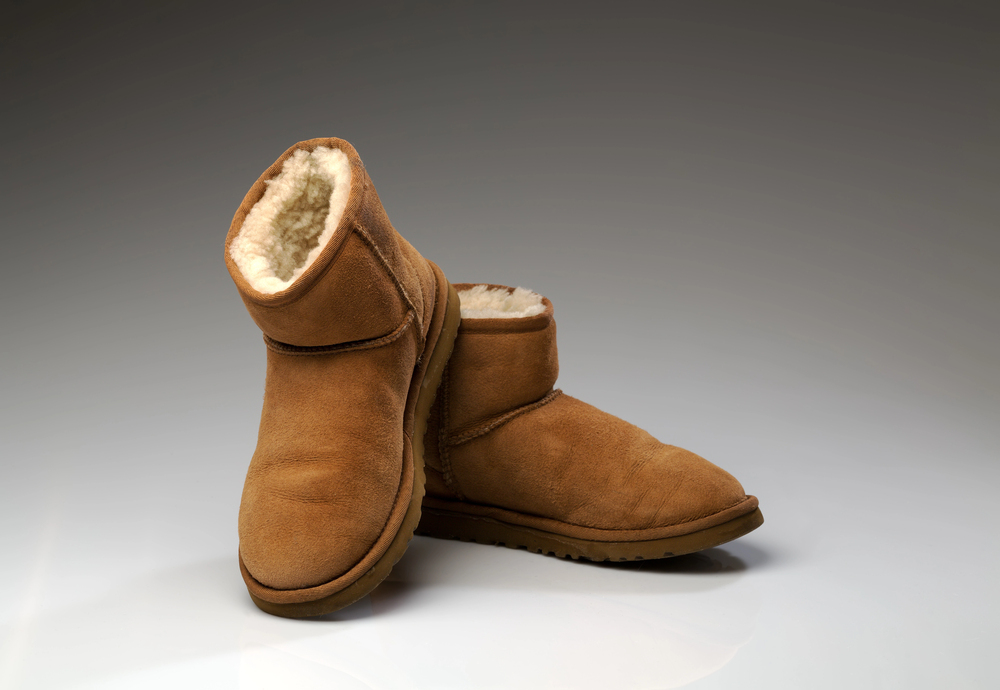 The recent case of Deckers Outdoor Corp. v. Wolverine Group Pty Ltd. serves as a cautionary tale for brand owners on the importance of pursuing foreign trademark protection early and often. The case revolves around who can use the term “UGG.” For many in the United States and other parts of the world, “UGG” is widely recognized as a specific brand of sheepskin boots. However, in Australia, “UGG” is a generic term referring to a style of sheepskin boots rather than a specific brand. As a generic term, “UGG” is not entitled to trademark protection in Australia, allowing any company within the country to use it freely.
In 1985, Australian surfer Brian Smith founded the company that would later become internationally known as UGG in the United States. Ten years later, Smith sold the company to Deckers Outdoor Corporation, which began securing international trademark rights for the term “UGG.” Today, Deckers owns the trademark for UGG in over 130 countries, including the United States, Canada and much of Europe. They also own several registrations in Australia for goods that are not boots, such as throws, cell phone cases and pet products.
Since acquiring the brand, Deckers has been engaged in a decades-long legal battle with Australian manufacturers regarding the use of the term “UGG” outside of Australia and New Zealand. One of the most recent and notable disputes involved UGG Since 1974, an Australian company that had been selling boots under the UGG name. Following prolonged litigation with Deckers, UGG Since 1974 announced that it would rebrand as “Since 74” for international sales.
In changing their name, they added the following disclaimer in the footer of their website: “UGG Since 1974™ has no affiliation with UGG®. Our boots are made in Australia, from 100% genuine sheepskin. For customers shopping outside Australia and New Zealand, your products will be labelled Since 74™ given trademark issues.” They also published a blog post explaining the name change and the company’s ongoing dispute with Deckers.
This case is just one of many that Deckers has pursued against Australian companies using the term “UGG” internationally, with others including Australian Leather and Emu Australia. The ongoing legal battles underscore the necessity and benefits of securing trademark protection beyond a company’s home jurisdiction.
The Importance of Global Trademark Protection
Securing a trademark in a company’s home country is only the first step in brand protection, and businesses must consider international trademark protection to obtain full protection of their brand. Companies that delay filing for international trademarks risk third parties registering the mark in foreign jurisdictions, leading to costly legal battles or loss of brand exclusivity.
When developing an international trademark strategy, it is important to consult and confer with foreign counsel. One cannot look at a company’s home country trademark laws to determine protection abroad. Trademark laws vary greatly from jurisdiction to jurisdiction and the protectability of a mark in one jurisdiction does not have much impact on its ability to be protected elsewhere. Consulting with foreign trademark counsel is crucial to navigating the complexities of local trademark law and determining the protectability of a mark in that jurisdiction. As discussed below, one can only wonder how the Deckers trademark dispute with the various Australian “UGG” sellers would have panned out had one of them consulted with a U.S.-based attorney prior to 1985, who could have advised them that the Australian genericness analysis may have played out differently in the United States.
While global trademark registration may not be financially feasible for all companies initially, it is a necessary long-term investment. As the brand grows it is important to obtain international protection to avoid companies in other countries taking advantage of the goodwill of a foreign brand. Businesses should prioritize international filings as their brand grows and spread out the filing costs by making it an ongoing action item in business planning and board meetings.
First to File vs. First to Use Jurisdictions
Understanding whether a country follows a first-to-file or first-to-use trademark system is essential in formulating an effective international trademark strategy. In first to use countries trademark rights go to the first person or business that uses the mark, regardless of whether they formally register it. Conversely, in first to file countries, the trademark rights go to the first to file for the trademark with the relevant IP office even if another person or entity used the mark prior to the filing.
There are approximately 55 first-to-file jurisdictions and 30 first-to-use jurisdictions. First to use countries include Australia, Canada, India, Ireland, Puerto Rico, Singapore, and United States. First to file countries include Austria, Brazil, China, European Union, Mexico, Russia, United Kingdom.
While each country falls under one of these two types, each country has its own rules and exceptions, so it isn’t always cut and dry that the first person to file or use owns all rights. Trying to navigate these waters will inevitably get expensive and leave room for loss of rights, making early applications no matter the type of jurisdiction a more effective and economical strategy.
Other Considerations for International Trademark Strategy
Even if a trademark is not protectable in a company’s home country, foreign protection may still be possible. The UGG case is a prime example; while “UGG” is a generic term in Australia, it is not considered to be one elsewhere and Deckers was able to successfully protect the term globally. Brand owners should consider filing for trademarks in all countries where they operate or plan to expand, even if they do not own a trademark registration in their home country. Failure to do so can lead to competitors exploiting their brand’s goodwill abroad.
Conversely, a trademark that is protectable in a company’s home country may not be registrable elsewhere. This can be due to the term being generic in a foreign jurisdiction, similar to a mark already used in that jurisdiction, or against the restrictions for trademarks in that jurisdiction. For example, religious names and symbols cannot be used in trademark registrations in Indonesia. As a result, companies need to do their due diligence prior to expanding to foreign markets and engage in a rebrand if needed to avoid legal issues. Ugg Since 1974 encountered issues with Deckers only after expanding into the U.S. market, emphasizing the importance of thorough research before entering a new territory.
While enforcing trademark rights internationally is crucial, companies should also consider potential consumer backlash, and whether litigation should be the first enforcement option pursued. Deckers’ aggressive litigation against smaller Australian manufacturers led to negative consumer sentiment. Through the suit, consumers also became aware that Ugg boots produced by Deckers are not manufactured in Australia, as consumers had believed. This has led to a consumer movement to no longer support the Deckers-owned Ugg brand, which Ugg Since 1974 has capitalized on by emphasizing in its marketing that its boots are Australian made.
Be Strategic, Save Your Brand
The UGG trademark battle is a valuable reminder of the importance of early and proactive international trademark registration. Companies must be diligent in securing trademarks abroad, especially in first-to-file jurisdictions, to avoid costly legal battles and the need to rebrand. While financial constraints may limit immediate global registration, prioritizing international trademark applications as they grow is a worthwhile investment. By taking a strategic approach to international trademark protection, companies can safeguard their brand identity and market presence worldwide.
Image Source: Deposit Photos
Author: Ruslan
Image ID: 38047999

![[Advertisement]](https://ipwatchdog.com/wp-content/uploads/2026/09/Patently-Sep-22-2026-sidebar-700x500-1.jpg)
![[Advertisement]](https://ipwatchdog.com/wp-content/uploads/2026/06/Womens-IP-Forum-2026-sidebar-regular-price-700x500-rev1.jpg)
![[Advertisement]](https://ipwatchdog.com/wp-content/uploads/2026/09/WE-BUY-PATENTS-SIM-IP-Ad-1-700x500-1.jpeg)
![[Advertisement]](https://ipwatchdog.com/wp-content/uploads/2026/08/OneTransform_700x500_v1-REVISED.jpg)
![[Advertisement]](https://ipwatchdog.com/wp-content/uploads/2024/09/Patent-Prosecution-Training-sidebar-700x500-2025-03-27.jpg)








![[Advertisement]](https://ipwatchdog.com/wp-content/uploads/2021/12/WEBINAR-336-x-280-px.png)
![[Advertisement]](https://ipwatchdog.com/wp-content/uploads/2021/12/Ad-4-The-Invent-Patent-System™.png)






Join the Discussion
No comments yet.