


 2
“Today’s announcement is the result of government-set price controls, not a true negotiation. Under this approach, patients lose.” – Tom Quaadman, Chamber GIPC
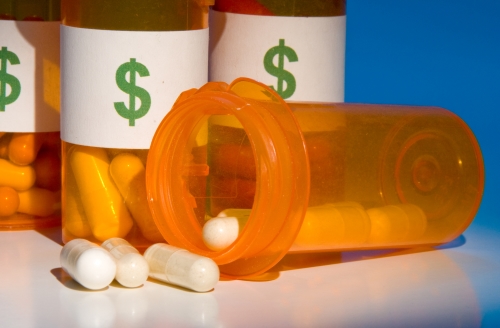 The White House on Thursday announced that it has finalized negotiations with the manufacturers of the 10 drugs selected for the first round of drug price negotiation under the Biden Administration’s Inflation Reduction Act of 2022 (IRA), which the Administration said will save $1.5 billion in out-of-pocket costs for prescription drugs for people on Medicare and will save Medicare $6 billion “in the first year alone.”
The U.S. Chamber of Commerce, which has been vocally battling the IRA’s drug pricing provisions, today said the announcement overlooks “the significant issues with price controls.” According to the Chamber’s research, “because of price controls and other market-restrictive policies American patients will have reduced access to new cures and treatments and face longer wait times for existing medicines.”
The U.S. Department of Health and Human Services (HHS) made its initial offers to the pharmaceutical companies pursuant in February 2024, pursuant to a set framework based upon the amount of time each drug has spent on the market. Opponents of the program, including the Chamber, which sued the government over the plan in June 2023, argue it cannot be characterized as a voluntary negotiation since the affected companies would be subject to onerous excise taxes for refusing to participate and because it would have devastating consequences for patients if companies were to actually pull the affected drugs. The Chamber’s lawsuit alleges that the IRA is essentially disguising a mandatory pricing control regime as a negotiation process that has no voluntary nature due to statutory difficulties for drug manufacturers attempting to leave the Medicare program, as well as a tax penalty on non-cooperating drug companies up to 1900% of daily drug sales.
Tom Quaadman, Executive Vice President of the Global Innovation Policy Center (GIPC) at the Chamber, said that, while they support access to affordable medicine, “today’s announcement is the result of government-set price controls, not a true negotiation. Under this approach, patients lose. Research shows government price controls harm patients, limit access to medicine, and reduce investment in medical innovation.”
Quaadman urged the Administration and Congress to repeal the negotiation program, “avoid the harmful consequences of price controls, and instead support market-oriented solutions that deliver new lifesaving medicines at affordable prices.”
But Vice President Kamala Harris said in a statement today that in two years the bill has resulted in cutting prescription drug costs, capping the cost of insulin at $35 a month, and lowering premiums for seniors and people with disabilities on Medicare.
The negotiated prices are as follows:


Source: https://www.cms.gov/files/document/fact-sheet-negotiated-prices-initial-price-applicability-year-2026.pdf














Join the Discussion
2 comments so far.
Bob Dickerman
August 16, 2024 09:03 amAfter thinking about this for a few more minutes, it occurred to me that a central aspect of these large drug companies is that they effectively milk the giant taxpayer-funded government program called Medicare. That they then complain about “anti-free-market regulation” when they are reined in a bit is particularly galling.
Bob Dickerman
August 16, 2024 08:35 amIt seems that Tom Quaadman is going to bat for large corporations that are engaging in price-gouging at the expense of sick Americans. It’s a dirty job, but I guess he feels that someone has to do it.
I know that the manufacturers have very deep pockets, and I am familiar with many of the drug names listed, because I have endured their extensive direct-to-consumer advertising campaigns on evening television. Sales in each single drug listed in the chart above range from $3B to $24B per year or so. This likely constitutes price-gouging, and is a significant driver of price inflation in the U.S., and an example of unbridled crony capitalism. I wonder who did the “research” on price controls that Quaadman cites. I guess I will be surprised if the new lower prices cause the withdrawal of these drugs from the U.S. market. Time will tell.