


 0
“Licensing strategy, not just IP registration, is a core part of the U.S.–Africa commercialization conversation.”
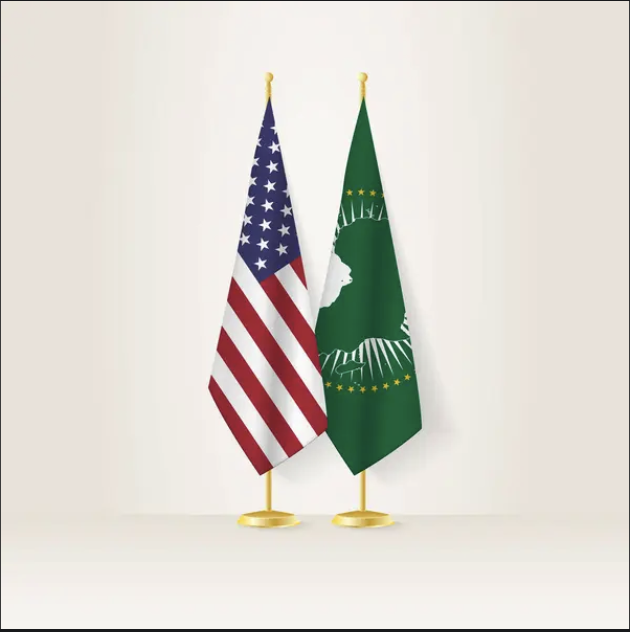 Most conversations about Africa and intellectual property focus on protection: registering a trademark, securing a patent, keeping a competitor from copying a brand. Licensing gets far less attention, even though it is often the actual mechanism through which African innovation reaches U.S. customers, and through which U.S. companies gain access to technology, content, and business models built for markets they don’t fully understand yet.
That gap in attention is a mistake. Licensing agreements are where a lot of cross-border value gets created, and where a lot of it quietly gets lost, through terms that were never built to survive the realities of a two-jurisdiction relationship.
Why Licensing Is the Underused Tool
Fintech infrastructure built for mobile-first, cash-light African markets has proven, repeatedly, that it solves problems U.S. companies are only beginning to think about. Payment orchestration technology built to handle Africa’s fragmented banking and mobile money landscape, for instance, was built to solve a harder problem than most U.S. payment infrastructure ever had to, and that kind of technology has genuine value to U.S. companies looking to serve underbanked populations, cross-border payment corridors, or emerging markets of their own.
The same is true in content. Africa’s creative industries, Afrobeats, Nollywood, and a fast-growing design and fashion sector, are increasingly the subject of licensing and distribution deals with major U.S. and global media companies, not because of novelty, but because the content performs commercially. Licensing, not acquisition, is usually the structure that makes sense in these deals: the U.S. partner wants distribution rights and market access, not necessarily ownership of the underlying work.
Licensing lets both sides get what they want. The African company keeps ownership of what it built and continues developing its home market. The U.S. company gets access to proven technology, content, or a business model without the cost and risk of building it from scratch. Done well, it’s a genuinely efficient structure. Done poorly, it’s where a lot of avoidable disputes originate.
Where Licensing Deals Go Wrong
The scope of the license is vague. “Rights to use the technology in the United States” sounds clear until a dispute arises over whether it includes the right to modify the technology, build derivative products on top of it, or sublicense it to a third party. Every licensing agreement needs to specify, in concrete terms, exactly what is being licensed, in which territory, for which use case, and for how long.
Improvements and derivative works aren’t addressed. If a U.S. licensee modifies or builds on top of licensed African technology, who owns the improvement? This is one of the most commonly underspecified terms in cross-border licensing deals, and it is exactly the kind of gap that turns into a dispute once the improved product becomes valuable.
There’s no clear plan for what happens if the relationship ends. Licensing agreements need exit terms: what happens to inventory, marketing materials, ongoing use of the brand, and any data generated during the relationship if either side wants out. Founders and U.S. partners alike tend to skip this section during deal negotiation because it feels premature. It is exactly the section that matters most once a relationship sours.
The underlying IP wasn’t clean to begin with. A licensing deal is only as strong as the IP being licensed. If the African company’s technology was built partly by contractors without clear assignment agreements, or its trademark was never properly registered in the U.S. market it’s now licensing into, the U.S. partner is licensing rights that may not be fully secure, a risk that surfaces during the U.S. company’s own diligence, and one that can stall or kill a deal that otherwise made commercial sense.
Royalty and payment terms don’t account for currency and regulatory realities. Cross-border royalty structures need to address currency conversion, local tax withholding, and the practical mechanics of moving payments between U.S. and African banking systems, details that are easy to gloss over in a term sheet and expensive to renegotiate later.
What a Well-Built Licensing Deal Looks Like
Start with clean IP on both sides. Before licensing anything, both parties should confirm the underlying IP is properly owned and registered: the African company’s trademark and technology rights, and, if relevant, any pre-existing U.S. IP the licensee is contributing. Licensing doesn’t fix an unclear ownership picture; it just moves the problem further downstream.
Define scope with precision, not aspiration. Territory, field of use, exclusivity, sublicensing rights, and duration should all be spelled out in specific, unambiguous terms rather than broad language that sounds reasonable in a negotiation but creates disagreement later.
Address improvements and derivative IP explicitly. Decide up front, not after the fact, who owns modifications, enhancements, or new products built on top of the licensed technology or brand.
Build in the exit before you need it. A clear wind-down provision protects both sides and tends to make the entire negotiation more efficient, because both parties know exactly what they’re agreeing to if the deal doesn’t work out.
Treat the agreement as a bridge between two legal systems, not a template from one. A licensing agreement drafted purely from a U.S. playbook, or purely from an African counsel’s standard template, will usually miss something the other jurisdiction requires. The strongest agreements are built with input from counsel who understand both sides of the relationship.
The Opportunity Behind Getting It Right
The next wave of U.S.–Africa commercial activity is not going to be defined only by African startups relocating or U.S. companies opening local offices. A significant share of it is going to run through licensing: African fintech infrastructure licensed into U.S. products, African content licensed into U.S. distribution channels, African design and manufacturing innovation licensed into U.S. supply chains.
That makes licensing strategy, not just IP registration, a core part of the U.S.–Africa commercialization conversation. Companies on both sides that treat licensing agreements with the same rigor they’d apply to a domestic deal, rather than as a lighter-touch cross-border formality, are the ones who will capture the value this next phase of U.S.–Africa business is creating.















Join the Discussion
No comments yet. Add my comment.
Add Comment