
![[IPWatchdog Logo]](https://ipwatchdog.com/wp-content/themes/IPWatchdog%20-%202023/assets/images/temp/logo-small@2x.png)

 0
0 “Behind what looks like a technical question of procedural coordination lies a decision that could change the strategic landscape of EU trademark litigation.”
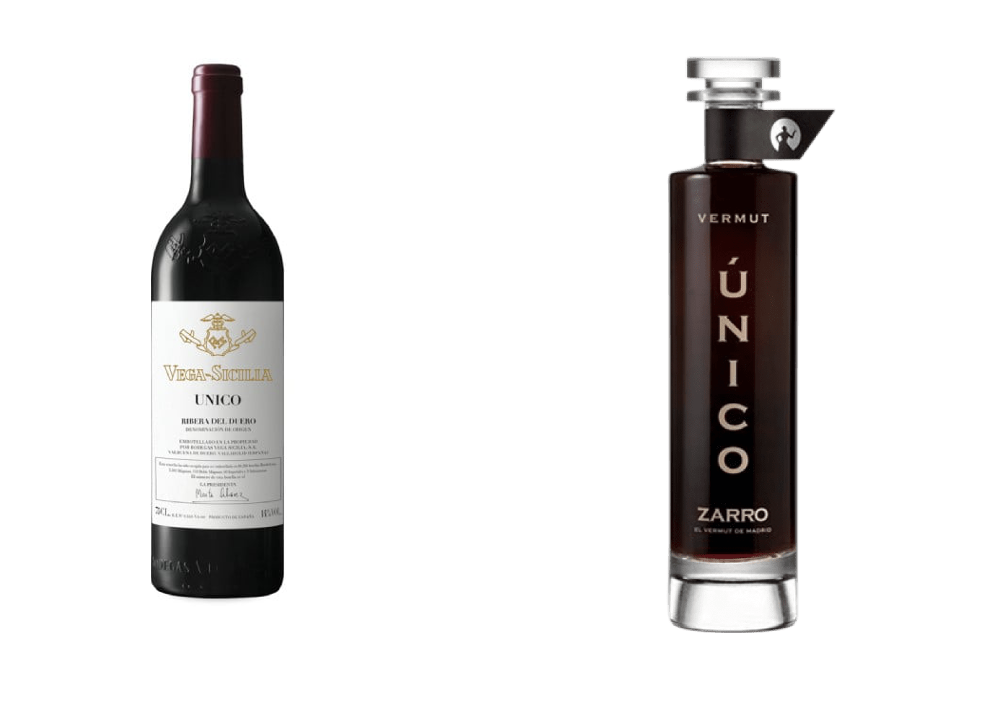 A defendant facing an action for infringement of an EU trademark may challenge the validity of that trademark by filing a counterclaim before the EU trademark court. But what happens if the defendant does not do so? Is the opportunity to challenge the trademark’s validity lost, or may the defendant later seek a declaration of invalidity from the European Union Intellectual Property Office (EUIPO)?
That is the central issue in Case C-392/25, Bodegas Sanviver v. Bodegas Vega Sicilia. In his Opinion of September 3, 2026, Advocate General Andrea Biondi takes the latter view. A defendant who has not filed a counterclaim for invalidity is not thereby prevented from subsequently challenging the trademark before the EUIPO. More importantly, according to the Advocate General, that possibility remains open until the infringement proceedings have resulted in a final judgment.
The practical significance of that interpretation is considerable. An application for a declaration of invalidity may therefore be filed with the EUIPO even at a late stage of the infringement litigation and may require the court to stay the case. The interpretation is convincing, but its practical consequences should not be underestimated. EUIPO invalidity proceedings may be followed by an appeal before the EUIPO Boards of Appeal and subsequent proceedings before the General Court and, where applicable, the Court of Justice. Reaching a final determination on validity may therefore take several years, during which the infringement proceedings may remain stayed.
The Dispute: From Infringement to Invalidity
The dispute concerns the EU word mark UNICO, registered for wines and owned by Bodegas Vega Sicilia. In July 2018, Vega Sicilia brought infringement proceedings against Bodegas Sanviver, which marketed vermouth under the sign “ÚNICO.”
Sanviver did not respond by filing a counterclaim challenging the validity of Vega Sicilia’s trademark. Instead, in December 2018—several months after the infringement action had been brought—it filed an application for a declaration of invalidity with the EUIPO. The EUIPO Cancellation Division subsequently declared the UNICO mark invalid on absolute grounds.
The Spanish infringement proceedings nevertheless continued. The Alicante Court of Appeal took the view that the subsequent EUIPO proceedings did not require the infringement action to be stayed. The dispute eventually reached the Spanish Supreme Court.
In a judgment of January 14, 2025, the Supreme Court disagreed. It held that Sanviver could challenge the EU trademark either by filing a counterclaim before the EU trademark court or by seeking a declaration of invalidity from the EUIPO. The fact that the infringement action had already been filed did not deprive Sanviver of the second option. The Supreme Court further held that, once the EUIPO proceedings had been initiated, the infringement proceedings should have been stayed until the decision on validity became final.
When the case returned to the Alicante Court of Appeal, that court remained unconvinced by the Supreme Court’s interpretation of EU law and referred three questions to the Court of Justice of the European Union (CJEU).
In essence, the referring court asks whether a defendant may turn to the EUIPO after infringement proceedings have begun even though it could have challenged validity by counterclaim; whether a subsequent EUIPO application can require the infringement proceedings to be stayed; and, if so, how late in the judicial proceedings the defendant may exercise that option.
Why the Question Is Particularly Striking from a Spanish Perspective
The referring court’s doubts are easier to understand against the background of Spanish trademark law. For Spanish national trademarks, Article 61 bis(5) of the Spanish Trademark Act expressly provides that, once an infringement action has been brought, the defendant may not challenge the trademark as a defense by filing an application for revocation or invalidity with the Spanish Patent and Trademark Office (OEPM). The defendant must instead file a counterclaim before the court hearing the infringement action.
Spanish law therefore establishes a clear rule of procedural concentration. The EU Trade Mark Regulation (EUTMR), however, contains no equivalent provision. The EUTMR expressly provides two mechanisms for challenging the validity of an EU trademark: an application before the EUIPO and a counterclaim before an EU trademark court.
Article 132(1) EUTMR governs the relationship between those proceedings. Unless there are “special grounds” for continuing the proceedings, an EU trademark court must stay its proceedings where the validity of the trademark is already in issue before another EU trademark court or where an application for revocation or for a declaration of invalidity has been filed with the EUIPO.
What the Regulation does not say is equally significant. It does not provide that the filing of an infringement action closes the EUIPO route or that a defendant who could have filed a counterclaim, but did not, loses the right subsequently to seek invalidity before the EUIPO.
The Spanish comparison makes the point particularly clear. When a legislature wishes to make a counterclaim the exclusive route once infringement proceedings have begun, it can say so expressly. The Spanish legislature has done so for national trademarks. The EU legislature has not done so for EU trademarks. Nor, notably, has it introduced such a rule in the recently codified EU Design Regulation, which contains a parallel provision governing the relationship between infringement and invalidity proceedings.
The Advocate General: The EUIPO Route Remains Open
Advocate General Biondi essentially agrees with the Spanish Supreme Court.
His starting point is that the EUTMR establishes two distinct avenues for challenging validity. The commencement of infringement proceedings does not eliminate the defendant’s ability to initiate invalidity proceedings before the EUIPO.
The AG recognizes the practical advantages of the alternative approach. Requiring a defendant to raise invalidity by counterclaim once infringement proceedings have begun could promote procedural economy, shorten litigation, reduce the risk of inconsistent decisions, and discourage tactical applications before the EUIPO.
But those considerations cannot, in his view, justify imposing a restriction that is not found in the Regulation.
Nor can national procedural law supply the missing restriction. Article 129(3) EUTMR generally requires EU trademark courts to apply the procedural rules governing comparable national trademark actions. But that reference cannot alter the division of jurisdiction established by the Regulation between EU trademark courts and the EUIPO. Article 61 bis(5) of the Spanish Trademark Act therefore cannot be used to close a route that the EUTMR leaves open.
The AG also addresses the timing of the invalidity application. In his view, Article 132(1) may apply where an application for a declaration of invalidity is filed with the EUIPO after the infringement proceedings have begun, whether before or instead of a counterclaim. The fact that the defendant did not challenge validity by counterclaim at an earlier stage does not, by itself, preclude a subsequent application to the EUIPO.
A later EUIPO application may consequently result in a stay of infringement proceedings that are already at an advanced stage.
A Convincing Interpretation, but a Potentially Problematic Result
As a matter of interpretation, the Advocate General’s conclusion is persuasive. The EUTMR provides two avenues for challenging validity and contains no rule under which one disappears merely because an infringement action has been filed. Nor does a defendant’s failure to file a counterclaim amount to a waiver of the right subsequently to challenge validity before the EUIPO.
The difficulty lies in the practical consequences of allowing the EUIPO route to remain open until a final judgment.
A defendant could choose not to file a counterclaim, allow the infringement litigation to progress, and later initiate invalidity proceedings before the EUIPO. If that application required the national court to stay its proceedings, the EUIPO route could become a powerful delaying tactic.
The AG expressly recognizes this concern. His answer lies in Article 132(1) itself. The obligation to stay is not absolute: the EU trademark court may continue the proceedings where there are “special grounds” for doing so.
Those “special grounds” must be interpreted narrowly. Nevertheless, the AG considers that the court may take into account circumstances suggesting that the EUIPO application is part of a strategy aimed solely at delaying the infringement proceedings. Relevant considerations may include the timing of the application, its relationship to the infringement action, its prospects of success, and the defendant’s overall procedural conduct.
The mere fact that the defendant chose the EUIPO rather than filing a counterclaim, however, cannot itself constitute a special ground. Otherwise, the procedural choice recognized by the Regulation would become largely illusory.
This creates a delicate balance. If “special grounds” are interpreted too narrowly, a defendant may be able to disrupt advanced infringement proceedings by filing a late application with the EUIPO. If interpreted too broadly, courts could effectively introduce through Article 132(1) the very counterclaim requirement that the EUTMR does not contain.
The two issues should therefore remain separate. First, does a defendant retain the right to challenge validity before the EUIPO after choosing not to file a counterclaim? Under the current Regulation, the answer proposed by the AG—and previously adopted by the Spanish Supreme Court—is convincing: yes, until the infringement proceedings have resulted in a final judgment.
Second, must exercising that right always require the infringement proceedings to be stayed? Article 132(1) provides the necessary flexibility. A genuine challenge to validity should not be excluded merely because infringement proceedings are already underway. But neither should the EUIPO route become a means of delaying infringement proceedings, particularly when those proceedings are already at an advanced stage.
If the CJEU follows the Advocate General’s approach, defendants in EU trademark litigation will retain an important procedural choice: failing to challenge validity by counterclaim does not close the door to the EUIPO. The more difficult question may ultimately be how EU trademark courts apply the “special grounds” exception to ensure that this procedural choice is not used to delay the resolution of the infringement action. The CJEU’s judgment will therefore be one to watch: behind what looks like a technical question of procedural coordination lies a decision that could change the strategic landscape of EU trademark litigation.
![[Advertisement]](https://ipwatchdog.com/wp-content/uploads/2026/10/IP-Copilot-Oct-13-2026-sidebar-700x500-1.jpg)
![[Advertisement]](https://ipwatchdog.com/wp-content/uploads/2026/10/Junior-Oct-15-2026-sidebar-700x500-1.jpg)
![[Advertisement]](https://ipwatchdog.com/wp-content/uploads/2026/09/WE-BUY-PATENTS-SIM-IP-Ad-1-revised-on-Sep-28-2026-700x500-1.jpg)
![[Advertisement]](https://ipwatchdog.com/wp-content/uploads/2026/09/Life-Sciences-2026-sidebar-early-bird-date-corrected-700x500-1.jpg)
![[Advertisement]](https://ipwatchdog.com/wp-content/uploads/2024/09/Patent-Prosecution-Training-sidebar-700x500-2025-03-27.jpg)







![[Advertisement]](https://ipwatchdog.com/wp-content/uploads/2021/12/WEBINAR-336-x-280-px.png)
![[Advertisement]](https://ipwatchdog.com/wp-content/uploads/2021/12/Ad-4-The-Invent-Patent-System™.png)






Join the Discussion
No comments yet. Add my comment.
Add Comment