


 0
“The PIER Pilot Program comes with risks and costs with little upside to applicants.”
 Earlier this year, with an effective date of April 9, 2026, the United States Patent and Trademark Office (USPTO) introduced the Patent Cooperation Treaty (PCT) Informed Examination Request (PIER) Pilot Program. Curiously, while most USPTO pilot programs allow the applicant to opt in or opt out, the PIER Pilot Program precludes input from the applicant on the matter and rather imposes itself on the applicant. The USPTO decides which applications will take part in the PIER Pilot Program, and the decision is not challengeable.
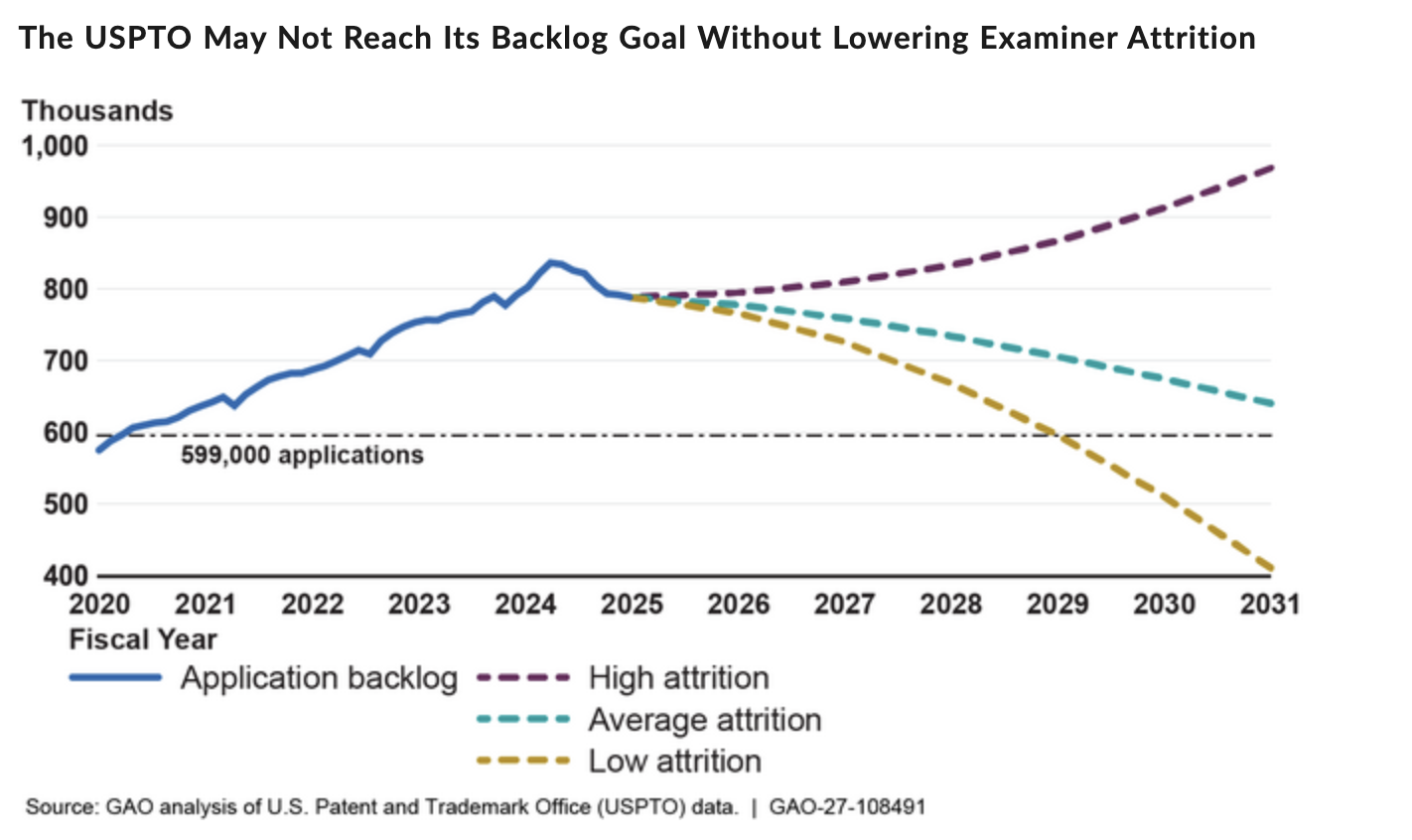
The USPTO’s stated aim of the PIER Pilot Program is to reduce examination backlog by requiring confirmation that the applicant wishes to continue with examination of the PCT national stage application. Selection for the Program is ostensibly random. Although counterintuitive, submitting Form PTO?1390 with the box checked for “an express request to begin national examination procedures” does not prevent the application from being selected for the PIER Program.
How it Works
If a PCT national stage application is selected for the PIER Pilot Program, the USPTO will issue a requirement for information requiring the applicant to elect one of three options: i) proceed with examination, ii) delay examination, or iii) expressly abandon the application. Further, since the mailing of a PIER Pilot Program letter by the USPTO is being considered an “action”, the time clock stops for the USPTO and starts for the applicant.
If the applicant elects to proceed with the application, it will be picked up in the normal course. If applicant elects the delay option, the delay will be for 12 months, and there is no opportunity to reverse the delay after the election is made. Further, the time of the delay (the 12-month period) is counted as applicant delay and hence does not count toward any Patent Term Adjustment. The response to the requirement may be filed by submitting USPTO Form PTO/SB/478 with a check on the appropriate box. Checking more than one box will be treated as an incomplete response. A response is required even if the applicant wishes to abandon the application and yet a failure to respond results in the same abandonment.
No Refunds
It is important to note a distinction between the PIER Program and what one might otherwise expect if the application is not to be pursued. While in some jurisdictions examination fees may be deferred such that applicants may save on search and examination fees by choosing not to proceed with examination after filing, this is not the case with the PIER Pilot Program. The PIER Pilot Program does not permit any refunds even if abandonment is elected.
While the response is relatively simple for in house or outside counsel to complete, there will still be time and cost involved for preparing and filing USPTO Form PTO/SB/478. Thus, the PIER Pilot Program comes with risks and costs with little upside to applicants. Even the delay option may have limited benefit in view of the unpredictability of examination timing.
How to Avoid PIER/ Delay
The PIER Pilot Program only applies to PCT national stage applications. Thus, to avoid the risk of being selected for the PIER Pilot Program, applicants may consider filing a bypass continuation application under 35 U.S.C. §111(a) claiming priority to the PCT application rather than national stage entry of the PCT application under 35 U.S.C. §371. However, applicants should also consider the cost difference between the national stage application and the bypass continuation application at filing. For example, if the USPTO was the search authority for the PCT application, the $770 search fee is waived for a national stage application but not for a bypass continuation application. If another jurisdiction was the search authority but the Search Report was provided to the USPTO at filing, the search fee is discounted to $580 for a national stage application but not for a bypass continuation application.
For currently pending PCT national stage applications and future national stage filings, in order to avoid delays or inadvertent abandonment, applicants should consider providing blanket instructions to elect the examination option if a requirement under the PIER Pilot Program is received. As was alluded to above, any delay in responding may negatively affect Patent Term Adjustment because the applicant’s time clock starts the moment the USPTO issues the letter.
The PIER Pilot Program is scheduled to run through April 9, 2027.


















Join the Discussion
No comments yet. Add my comment.
Add Comment