


 0
0 “While we do not foreclose the possibility that a licensor can ever establish it made reasonable efforts to ensure licensee compliance with 35 U.S.C. § 287 in the absence of a marking obligation, that is certainly not the case here.” – CAFC
 The U.S. Court of Appeals for the Federal Circuit (CAFC) issued a precedential decision today, authored by Chief Judge Moore, first affirming a district court’s orders dismissing a patent infringement complaint without granting leave to amend and awarding attorney’s fees, and secondly, dismissing an appeal of attorney sanctions for lack of jurisdiction.
VDDP, LLC sued Volkswagen Group of America, Inc. in the U.S. District Court for the Southern District of Texas, alleging infringement of its U.S. Patent No. 9,426,452, relating to “electrically controlled spectacles.” After Volkswagen moved to dismiss for failure to state a claim under Federal Rule of Civil Procedure 12(b)(6) and for improper venue under Rule 12(b)(3), VDDP requested leave to amend its complaint. But the district court dismissed the case with prejudice under Rule 12(b)(6) and denied the motion for leave to amend as futile. The district court then denied VDDP’s motion to amend the judgment under Rule 59(e), awarded Volkswagen $207,543.60 in attorney’s fees, and sanctioned VDDP’s counsel, William Peterson Ramey III, under 28 U.S.C. § 1927, holding him and VDDP jointly and severally liable for the attorney’s fees.
On appeal, the CAFC first considered whether the district court abused its discretion in dismissing VDDP’s complaint without opportunity to amend. Finding it did not, the CAFC explained that “VDPP implicitly agreed not to amend its complaint in exchange for Volkswagen’s consent to an extension of time for VDPP to respond to Volkswagen’s motion to dismiss.” VDDP’s decision to amend its complaint after securing that extension would have been grounds enough to dismiss the motion for leave to amend, but the amended complaint would have been futile anyway because VDDP failed to show compliance with the patent marking provision, 35 U.S.C. § 287(a), by its licensees. VDDP merely included language indicating that it is a non-practicing entity with no products to mark, but the CAFC said this was not enough. The opinion said:
“While VDPP is correct that ‘a patentee who never makes or sells a patented article may recover [pre-suit] damages even absent notice to an alleged infringer,’ VDPP ignores that the law requires that ‘[a] patentee’s licensees must also comply with § 287.’”
Although VDDP entered into 11 settlement agreements with licensees, it failed to show compliance for any of them. “This silence is particularly conspicuous given VDPP was on notice of Volkswagen’s argument that VDPP could not show compliance in view of its prior settlement agreements,” wrote the CAFC.
VDDP attempted to argue that its licenses were an exception to the patent marking rule because they were entered into to settle litigation, and none of its licensees admitted infringement, but the appellate court said its precedent “suggests there is no difference between a license entered into under a settlement agreement and any other patent license agreement.” The CAFC concluded on this point that “[w]hile we do not foreclose the possibility that a licensor can ever establish it made reasonable efforts to ensure licensee compliance with 35 U.S.C. § 287 in the absence of a marking obligation, that is certainly not the case here.”
With respect to attorney’s fees, the CAFC agreed with the district court that the case was exceptional because “‘ [m]any of the positions VDPP took were frivolous and objectively unreasonable,’ including seeking future damages and an injunction on an expired patent, seeking past damages despite an inability to allege patent marking, failing to disclose relevant settlement agreements, and prolonging litigation with false statements about the settlement agreements.”
A number of “sloppy errors” and the need to deter VDDP’s “pattern of repeat litigation over the ’452 patent involving “settlement demands far less than the costs of defense and unrelated to any damages theory” further warranted an exceptionality finding, said the CAFC.
Finally, with respect to the sanctions award, the CAFC said that Ramey did not timely appeal on his own and VDDP lacked standing to contest the sanctions for him. The failure to timely appeal had to do with the omission of Ramey’s name as a party to the appeal, rather than merely in the body of the notice. It was ultimately not clear enough that Ramey was appealing the order on his own behalf as well as VDDP’s, said the CAFC.
As far as VDDP’s appeal of the sanctions award, “VDPP has suffered no injury from Mr. Ramey’s sanctions and, in fact, benefited from his sanctions because they make him jointly and severally liable for Volkswagen’s attorney fees,” and therefore lacked standing to contest the sanctions for him.
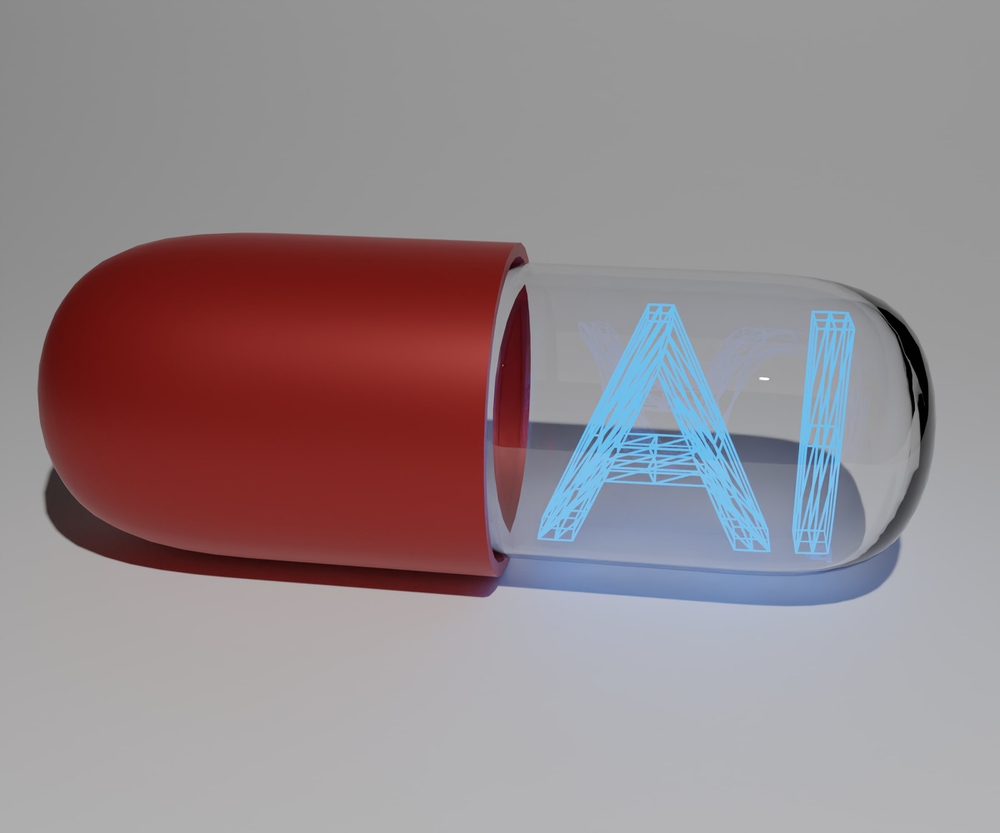
Image Source: Deposit Photos
Author: Devon
Image ID: 213063766
![[Advertisement]](https://ipwatchdog.com/wp-content/uploads/2026/10/Questel-Oct-22-2026-sidebar-700x500-1.jpg)
![[Advertisement]](https://ipwatchdog.com/wp-content/uploads/2026/10/ClaimHit-Oct-28-2026-sidebar-700x500-1.jpg)
![[Advertisement]](https://ipwatchdog.com/wp-content/uploads/2026/10/Patsnap-Oct-29-2026-sidebar-700x500-1.jpg)
![[Advertisement]](https://ipwatchdog.com/wp-content/uploads/2026/09/Life-Sciences-2026-sidebar-early-bird-ends-Oct-25-700x500-1.jpg)
![[Advertisement]](https://ipwatchdog.com/wp-content/uploads/2026/09/WE-BUY-PATENTS-SIM-IP-Ad-1-revised-on-Sep-28-2026-700x500-1.jpg)
![[Advertisement]](https://ipwatchdog.com/wp-content/uploads/2024/09/Patent-Prosecution-Training-sidebar-700x500-2025-03-27.jpg)





![[Advertisement]](https://ipwatchdog.com/wp-content/uploads/2021/12/WEBINAR-336-x-280-px.png)
![[Advertisement]](https://ipwatchdog.com/wp-content/uploads/2021/12/Ad-4-The-Invent-Patent-System™.png)




Join the Discussion
No comments yet. Add my comment.
Add Comment