
![[IPWatchdog Logo]](https://ipwatchdog.com/wp-content/themes/IPWatchdog%20-%202023/assets/images/temp/logo-small@2x.png)
 0
0 “The proliferation of illicit merchandise in the global sports market underscores the need for enhanced enforcement mechanisms…such as the SHOP SAFE Act.” – C4IP
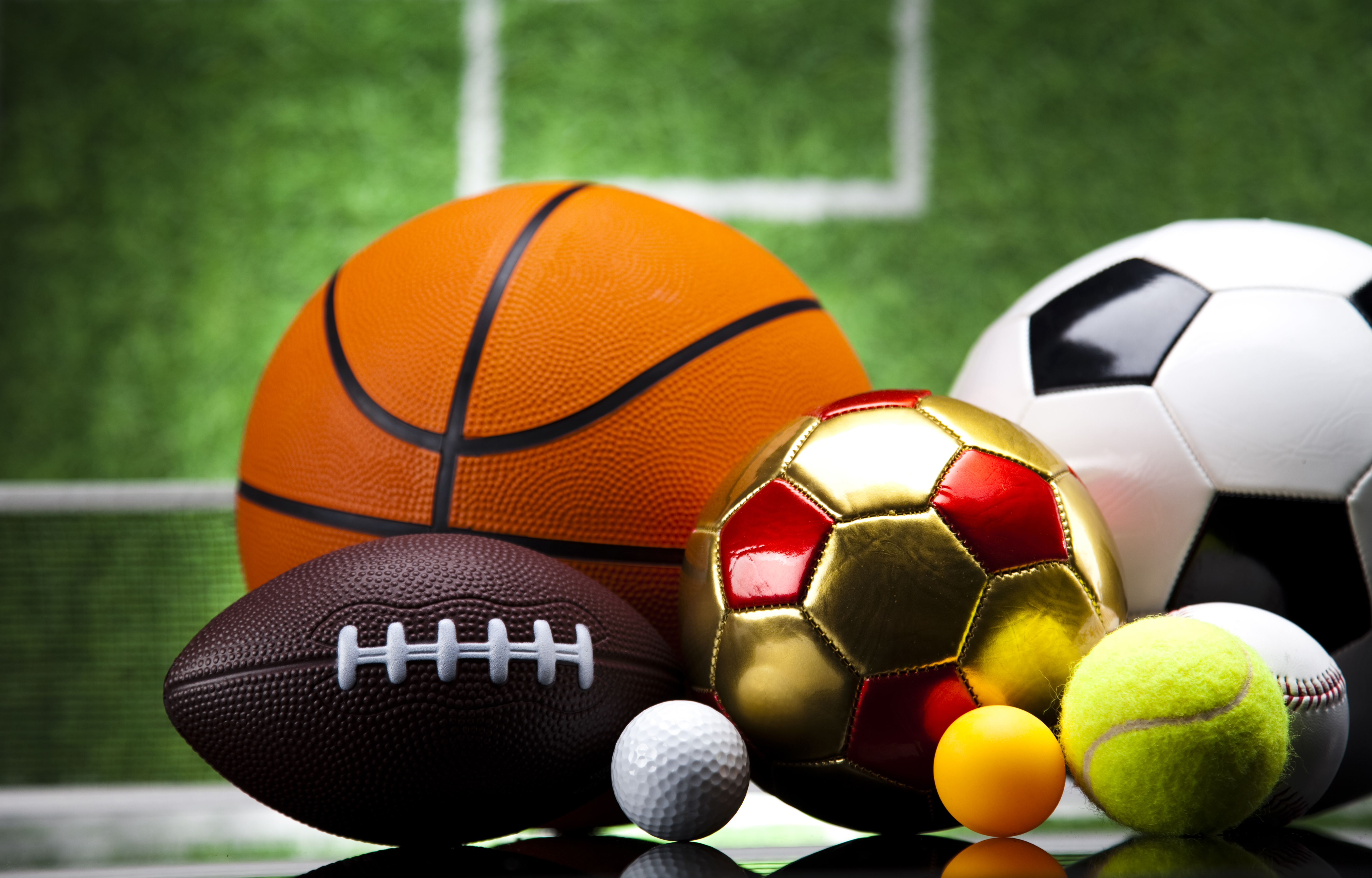 The World Intellectual Property Organization (WIPO) established World IP Day to commemorate April 26, 1970, the date the WIPO Convention officially took effect. Each year, the occasion serves as a global reminder of the role that intellectual property plays in encouraging innovation and creativity. This year, the World IP Day theme is “IP and Sports Ready, Set, Innovate,” recognizing the increasingly complex relationship between intellectual property rights and the multibillion-dollar global sports industry.
As WIPO explains, sports intersect with fashion, entertainment, media, health, gaming, and consumer goods. Intellectual property, including patents, designs, trademarks, and copyrights, incentivizes innovation and enables cross-industry connections with sport, sparking creativity, technological advancement, and economic growth. According to WIPO, “players and athletes are far more IP savvy today, and are increasingly breaking down what was one macro bundle of IP rights into multiple strands where the sum of the parts is greater than the whole.” This growing IP-savvy is evident in recent high-profile cases such as NFL Draft, Fernando Mendoza, filing a dozen trademark applications with the U.S. Patent and Trademark Office (USPTO) for variations of his name and catchphrases (discussed below).
To celebrate today, below is a roundup of comments and cases spotlighting the role of IP in sports. Many of the comments question whether the IP system is keeping pace with the rapid commercialization and technological advances reshaping the sports industry. Developments in athlete branding and name, image, and likeness (NIL) rights, ongoing trademark disputes, patented wearable technology, and the fight against counterfeiting all highlight how rapidly the industry is evolving. Here is a look at what some in the IP community are saying:
C4IP
Frank Cullen, Executive Director of the Council for Innovation Promotion (C4IP), said in a statement that “intellectual property is central to the modern sports ecosystem, underpinning its economic value, innovative capacity, and global reach.” Cullen noted that strong IP protections “safeguard the unique elements that make sports commercially viable and culturally impactful,” covering team logos, league branding, broadcast rights, athlete likenesses, proprietary data, and emerging technologies such as performance analytics.
From massive revenues produced by broadcast agreements that provide the financial foundation for leagues to secure elite athletes, build modern facilities, and cultivate fan loyalty, to trademarks that help teams protect their brands and combat counterfeit goods, IP is key to financial success in the sports industry. The proliferation of illicit merchandise in the global sports market also underscores the need for enhanced enforcement mechanisms. Cullen voiced support for legislative efforts, such as the SHOP SAFE Act, to protect both shoppers and authentic enterprises.
In addition to trademarks and patents, Cullen said that copyright frameworks are essential for securing the digital media, such as game broadcasts and highlight reels, that drive modern fan interactions. He also emphasized that while publicity rights allow athletes to manage their own identities, the unauthorized use of athlete personas is becoming a growing problem. As exploitation is frequently driven by generative artificial intelligence (AI), he argued that new protective measures, such as the NO FAKES Act, are urgently needed.
USPTO
USPTO Director John Squires described NFL Draft week as “a key moment at the intersection of collegiate athletics and professional sports when personal brand identity takes on greater business asset attributes for many, many draftees and their families.”
For the first time in its history, the USPTO deployed an educational booth at a major sporting event, bringing trademark and NIL rights resources to the 2026 NFL Draft in Pittsburgh, Pennsylvania. Squires also hosted a special World IP Day discussion on Friday, April 24, titled “Authenticity: The Name of the Game.” The conversation aimed to clarify the complex landscape of personal branding, intellectual property rights, and the escalating threat of AI-generated impersonations during a period when athletes’ identities are highly valuable yet susceptible to misuse.
The USPTO said that the expansion of NIL regulations has created a novel commercial environment, enabling competitors across all tiers of sports to establish businesses, secure sponsorships, and generate income from their personal brands. However, this shift is occurring alongside a rise in malicious activity, as unauthorized parties leverage AI tools to exploit athletes’ personas without consent. To further emphasize these issues, the USPTO noted that the American Intellectual Property Law Association (AIPLA) and other groups are organizing a dedicated World IP Day gathering at the U.S. Capitol on April 29, 2026.
Copyright Alliance
Keith Kupferschmid, CEO of the Copyright Alliance, released a statement emphasizing the critical role of copyright law in the global sports ecosystem. He noted that copyright protects the creative works that make sports events a shared global experience, such as the broadcasts, commentary, photography, and storytelling that capture unforgettable plays.
“It’s a reminder that behind every thrilling goal, buzzer-beater, or championship celebration is creativity worth protecting, and copyright helps ensure those unforgettable moments can be produced, shared, and enjoyed by audiences around the globe,” Kupferschmid stated.
Qualcomm
Ann Chaplin, Executive Vice President, General Counsel and Corporate Secretary at Qualcomm, highlighted how mobile telephony and video streaming technology have made sports more accessible to millions of people. She pointed to innovations such as drones transmitting live over 5G cellular networks from above a football or tennis match, which are “changing how people experience the game, and making it so that you feel like you’re on the sidelines or even in the game.”
Chaplin also emphasized the impact of these technologies on the in-stadium experience and on the athletes themselves. “When you’re in the stadium, private 5G networks ensure that tens of thousands of people can be online successfully and pulling up content,” she said. Furthermore, she noted that Formula One races produce terabytes of data, and “that data is being used by those teams to decide exactly when to make their move, when to hold back, when to pit…So this data can make that sport even more competitive.”
Recent Intellectual Property Disputes in Sports
NCAA v. DraftKings
The National Collegiate Athletic Association (NCAA) filed a lawsuit against DraftKings in the Southern District of Indiana in March 2026, alleging unauthorized use of several of its well-known tournament trademarks, including March Madness, Final Four, Elite Eight, and Sweet Sixteen, to promote its betting platform. According to the complaint, DraftKings incorporated these marks into its betting menus, mobile app interfaces, and marketing content, and also used confusingly similar variations such as “March Mania.” It further asserted three claims under the Lanham Act, including trademark infringement under Section 32, false association and unfair competition under Section 43(a), and trademark dilution under Section 43(c). The court denied the NCAA’s request for a temporary restraining order on March 26, 2026, and the NCAA is currently seeking an expedited trial along with permanent injunctions and monetary damages.
Nike v. Total90
Total90, LLC, a company founded by a soccer coach, filed a suit against Nike after registering the TOTAL90 trademark following Nike’s lapse in maintaining its own registration. In November 2025, a federal judge in the Eastern District of Louisiana denied Total90’s request for a temporary restraining order. Nike later countersued, alleging bad faith and extortion.
JOOLA Pickleball Patent Infringement
In another high-profile case, JOOLA Pickleball filed a patent infringement suit against 11 paddle companies in April 2026. The suit, filed with the International Trade Commission (ITC) on April 7 and in federal district courts on April 9, alleged that the competitors copied JOOLA’s patented “Propulsion Core” technology. JOOLA is seeking to block United States imports of the infringing paddles and to obtain damages in federal court. The case highlights how patent protection extends well beyond traditional sports equipment manufacturers and into the rapidly growing world of recreational sports.
Fernando Mendoza
The presumed number-one overall pick in the upcoming NFL Draft, Fernando Mendoza, on April 16 submitted a dozen new applications to the USPTO, significantly broadening the legal safeguards surrounding his burgeoning public profile. The requested trademarks cover several variations of his name and catchphrases, including “Mendoza 15,” “Fernando,” “Flippin’,” and “HE15Mendoza.” Mendoza was selected by the Las Vegas Raiders on April 23.
The filings reveal Mendoza’s intention to apply these marks to clothing lines, memorabilia promotions, and sports-related entertainment ventures. Trademark attorney Josh Gerben of Gerben IP remarked that the strategic timing of these submissions, arriving just before the draft, secures Mendoza’s priority date with the federal trademark office. By acting early, he blocks third parties from preemptively claiming rights to his identity before he can fully monetize it.
Despite the proactive strategy, Gerben cautioned that the “HE15Mendoza” application might face obstacles. While the mark sidesteps the exact term “Heisman,” its visual similarity is intentional and unmistakable, since the Heisman Trophy Trust holds numerous active registrations and vigorously defends its intellectual property, it may intervene. The situation demonstrates the delicate balance athletes must strike when their personal branding strategies come into conflict with established institutional trademarks.
![[Advertisement]](https://ipwatchdog.com/wp-content/uploads/2026/09/MarqVision-Oct-8-2026-sidebar-700x500-rev.jpg)
![[Advertisement]](https://ipwatchdog.com/wp-content/uploads/2026/10/IP-Copilot-Oct-13-2026-sidebar-700x500-1.jpg)
![[Advertisement]](https://ipwatchdog.com/wp-content/uploads/2026/10/Junior-Oct-15-2026-sidebar-700x500-1.jpg)
![[Advertisement]](https://ipwatchdog.com/wp-content/uploads/2026/09/WE-BUY-PATENTS-SIM-IP-Ad-1-revised-on-Sep-28-2026-700x500-1.jpg)
![[Advertisement]](https://ipwatchdog.com/wp-content/uploads/2026/09/Life-Sciences-2026-sidebar-early-bird-date-corrected-700x500-1.jpg)
![[Advertisement]](https://ipwatchdog.com/wp-content/uploads/2024/09/Patent-Prosecution-Training-sidebar-700x500-2025-03-27.jpg)






![[Advertisement]](https://ipwatchdog.com/wp-content/uploads/2021/12/WEBINAR-336-x-280-px.png)
![[Advertisement]](https://ipwatchdog.com/wp-content/uploads/2021/12/Ad-4-The-Invent-Patent-System™.png)




Join the Discussion
No comments yet.