
![[IPWatchdog Logo]](https://ipwatchdog.com/wp-content/themes/IPWatchdog%20-%202023/assets/images/temp/logo-small@2x.png)

 1
1 “If [the essay authors] actually cared about independent artists and small and individual creators, they would be looking for solutions that level the playing field and create space for partnerships and deals. Not advocating for massive fair use overreach….”
 Just over a month ago, the Human Artistry Campaign launched “Stealing Isn’t Innovation”—a graphic advertising campaign backed by over 1,000 artists, performers, authors, organizations and other creators. The Copyright Alliance joined dozens of groups and organizations supporting this powerful moment of creative community unity and strength.
The campaign’s high-level three-word-message was simple and obvious, and difficult to contest. On a policy level, the campaign was widely, and correctly, understood as a clear statement supporting the core principle that training AI models on copyrighted works should be licensed by willing buyers and sellers.
“Big AI” published its response to this campaign in late February, speaking through two tech-aligned proxies—the Foundation for American Innovation (FAI) and Public Knowledge (PK).
For a number of reasons, it’s deeply unpersuasive.
FAI and PK title the essay with a call for “Precision Not Panic.” Since nothing says, “we’re not panicked” like a 1,300-word response to a three-word slogan, featuring measured, sober arguments like “the NO FAKES Act would be like the [Digital Millennium Copyright Act] DMCA all over again—but for everything” and “this ad is trying to win an urgent policy fight through sleight of hand and reductionist rhetoric,” right?
Meanwhile, it’s hard to find much “precision” in AI-world demands like calls to delete all IP law and fire the Copyright Office head who released a report we don’t like, and with real world Bond villains like Marc Andreesen proclaiming that any “deceleration” of AI would be “a form of murder.”
Tired and Outdated Criticisms
And the essay’s substantive flaws run even deeper than its framing. It lobs tired attacks on creative community groups and laws like the DMCA, hoping to sow division between artists and other working creatives and companies and industries they partner with. But this argument only finds support in two very dated, cherrypicked examples from way back in 2007 and 2014—an absence of evidence that won’t surprise anyone watching current debates on AI, where individual creatives and creative companies have never been more united.
Indeed, the 1,000-signature strong “Stealing Isn’t Innovation” campaign led by the 180+ member Human Artistry Campaign itself demonstrates the extraordinary partnership and common sense of purpose across the entire creativity community today. When you add in supporting groups like the Copyright Alliance representing more than two million individual creators and 15,000 organizations, the breadth and reach of agreement across these issues is simply staggering.
Much of the substance of the essay is focused on the NO FAKES Act, which is somewhat surprising since the “Stealing Isn’t Innovation” campaign focused on AI training, not deepfake abuses that are at the heart of NO FAKES. Since it deals with non-copyright equities, the Copyright Alliance hasn’t taken a formal position on the NO FAKES Act. But here the FAI/PK attack mostly focuses on the same tired criticisms that the anti-copyright tech giants have leveled against the DMCA and broader creative community equities for decades.
Deepfakes Don’t Discriminate
The centerpiece of the FAI/PK argument against NO FAKES is the strange claim that the bill goes too far by creating rights against deepfake abuses “for each and every person” and not just limiting the legislation to “actors or professional musicians.” It’s just bizarre to see supposed consumer and public advocacy groups argue that fewer people should get rights.
And it’s utterly indefensible. Every person is a potential target of a deepfake attack—from family members scammed by voice clones and phony “I’ve been arrested” deepfakes to young students and other victims of unconsented graphic images to everyday people who get caught up in local controversies and find themselves in the public eye.
In the end, unsurprisingly, the essay never proposes an alternative to NO FAKES or says what we should do about the acknowledged harms and dangers of deepfakes. Instead, in classic Sea Lion fashion, it simply raises questions and calls for more discussion and debate. That’s a good way to stymie progress, but it leaves today’s victims of these terrible abuses and attacks without a remedy and does nothing to stop or slow the pipeline of future deepfake harms.
Large-Scale Licensing Isn’t New
The same is true of the discussion of AI training, where the critique seems to boil down to a concern that if AI training requires licensing, as the “Stealing Isn’t Innovation” Campaign believes, then “independent artists are unlikely to benefit” and only big rightsholders and tech companies “with the resources to negotiate deals” will gain.
But of course, if training doesn’t need a license, those same independent artists will be in a far worse position—with no right to control how their creations are used in developing AI and nothing to offer in a negotiation. If FAI/PK actually cared about independent artists and small and individual creators, they would be looking for solutions that level the playing field and create space for partnerships and deals. Not advocating for massive fair use overreach that deprives creators of any ability to set terms for the use of their work.
In truth, of course, large-scale licensing of independently created works isn’t some new problem, and multiple practical, effective ways to handle it already exist. But none of those can even get off the ground in the context of AI until developers move past unreasonable, absolutist demands to use creative works without licensing or paying for them at all.
FAI/PK say “simple slogans posing as policy” won’t protect artists. But after 1,300 words, it’s pretty clear they aren’t interested in protecting artists at all.
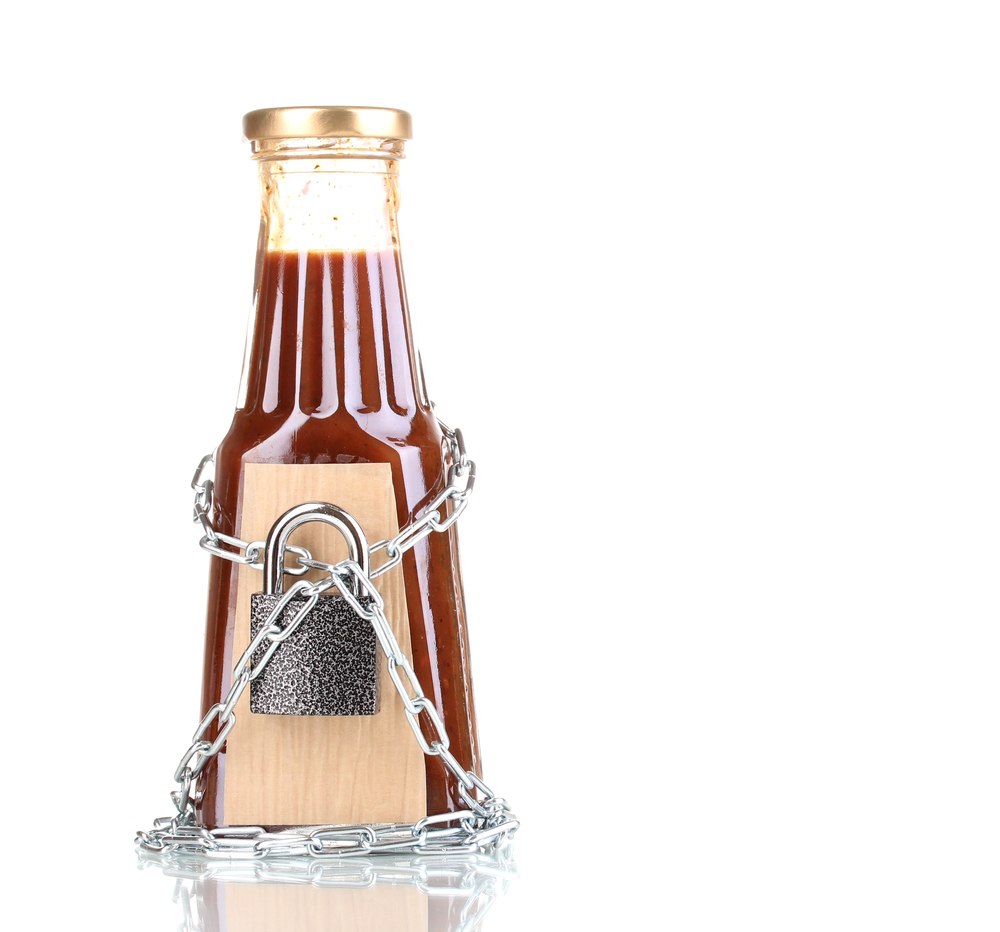
Images Source 123rf.com
Image ID : 64815856
Copyright : iqoncept
![[Advertisement]](https://ipwatchdog.com/wp-content/uploads/2026/06/Womens-IP-Forum-2026-sidebar-super-early-bird-ends-July-24-700x500-1.jpg)
![[Advertisement]](https://ipwatchdog.com/wp-content/uploads/2026/07/DeepIP-Jul-28-2026-sidebar-700x500-1.jpg)
![[Advertisement]](https://ipwatchdog.com/wp-content/uploads/2026/07/ClearstoneIP-Varsity-Ad-2026-Ad-1.jpg)
![[Advertisement]](https://ipwatchdog.com/wp-content/uploads/2026/07/Juristat-Varsity-Ad-2026-IPW-ad-FreeTrial_1-UPDATED-on-Jul-15-2026.png)
![[Advertisement]](https://ipwatchdog.com/wp-content/uploads/2026/07/Ankar-AI-Jul-30-2026-sidebar-700x500-1.jpg)




![[Advertisement]](https://ipwatchdog.com/wp-content/uploads/2021/12/WEBINAR-336-x-280-px.png)
![[Advertisement]](https://ipwatchdog.com/wp-content/uploads/2021/12/Ad-4-The-Invent-Patent-System™.png)


Join the Discussion
One comment so far.
Anon
March 11, 2026 04:25 pmHere’s a simple and direct response:
It does not matter the number of people wanting something that they do not have a right to.
The Bundle of rights under a grant of US copyright is limited.
It really is as simple as that.