
![[IPWatchdog Logo]](https://ipwatchdog.com/wp-content/themes/IPWatchdog%20-%202023/assets/images/temp/logo-small@2x.png)

 3
3 “By introducing more uncertainty and administrative costs into the patent system, lawmakers will compromise the basic protections that make medical progress both possible and profitable—resulting in fewer new breakthroughs and treatments.” – Jim Edwards, ELITE Strategic Services
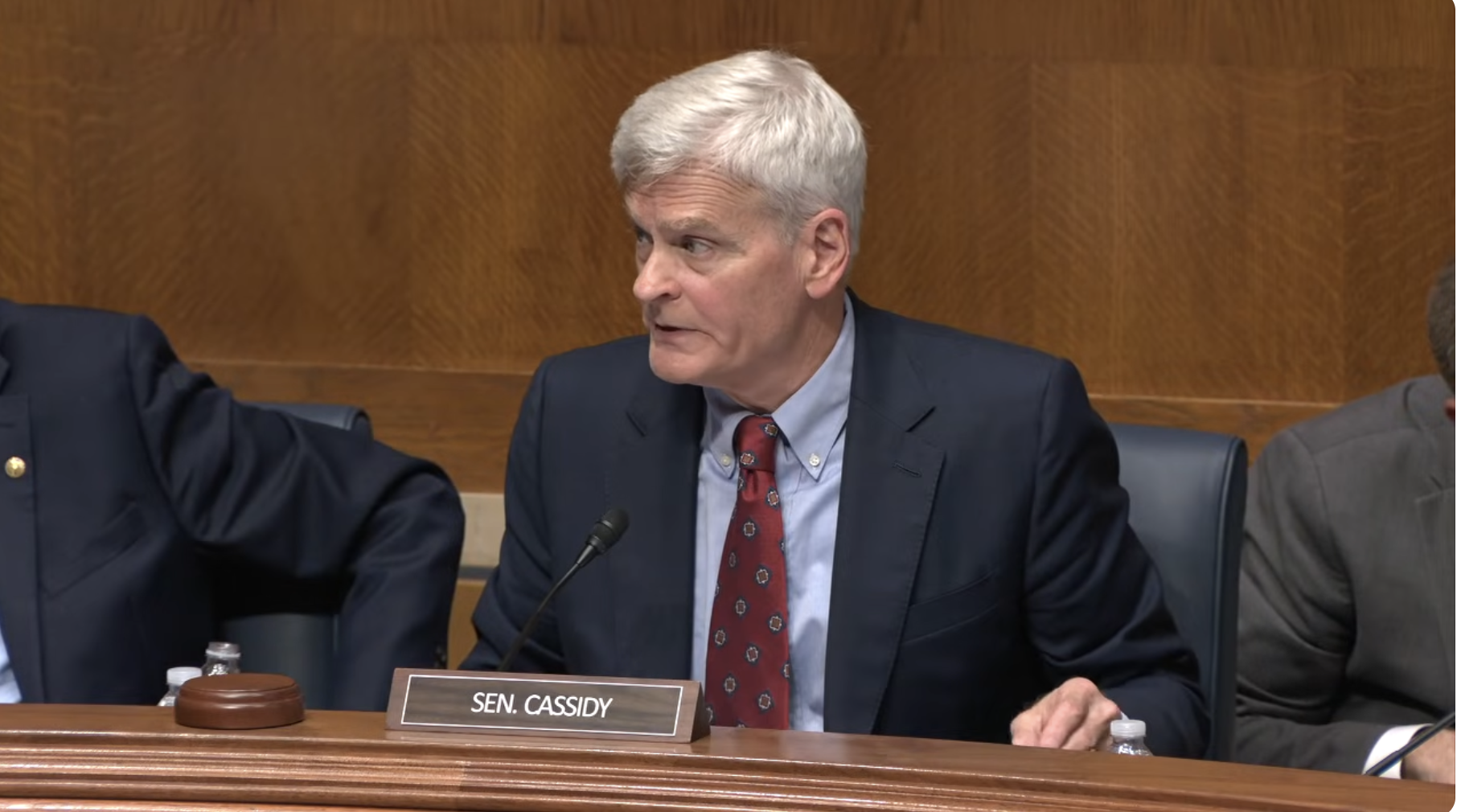 The Senate Health, Education, Labor & Pensions (HELP) Committee held a hearing today during which they debated and ultimately advanced two bills targeting brand pharmaceutical companies.
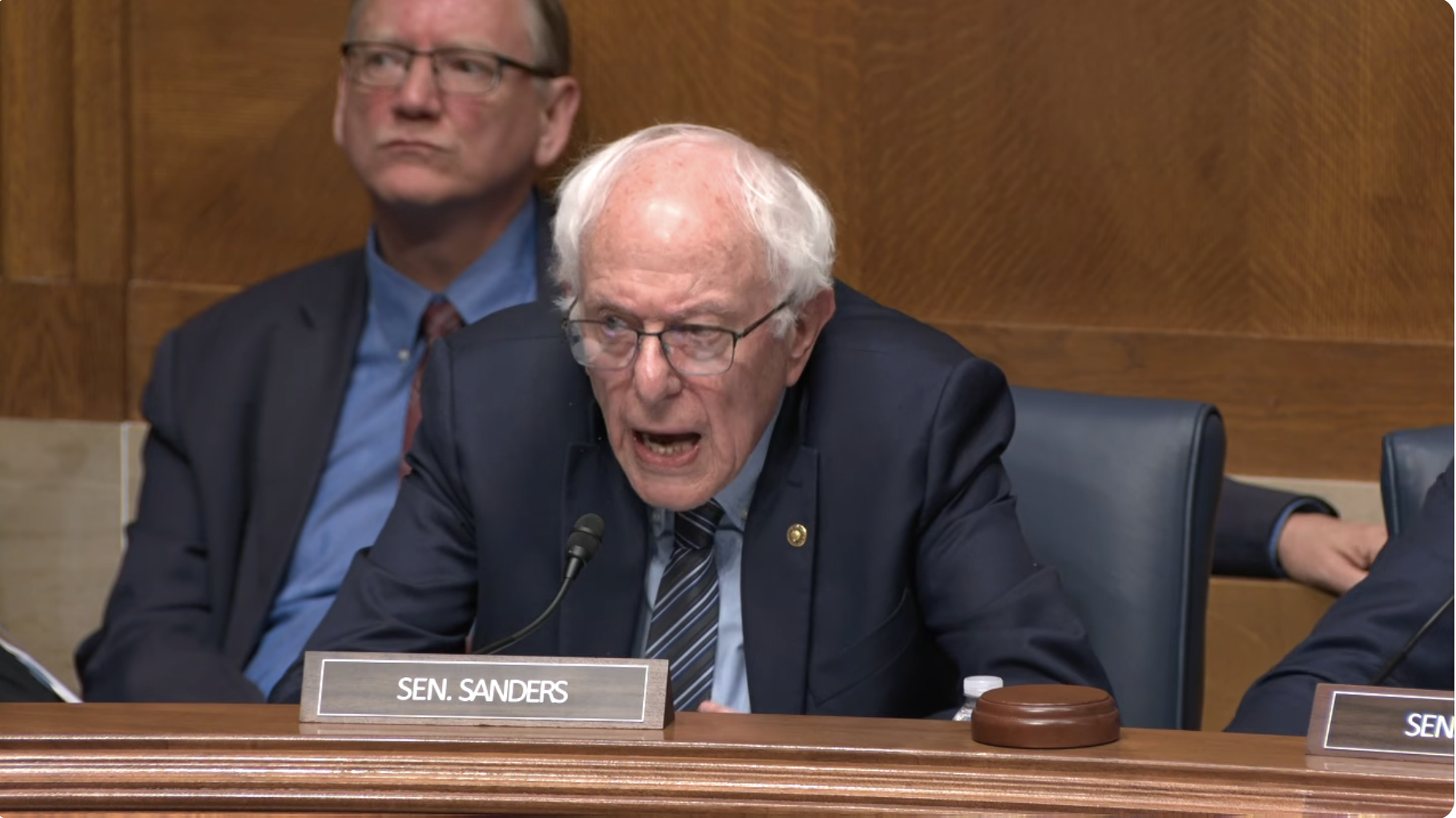
Committee Chairman Bill Cassidy (R-LA) led the hearing, urging fellow Republicans not to be fooled by what he called the “hostage taking theatrics” of Senator Bernie Sanders (D-VT). Sanders, the Committee’s Ranking Member, introduced nine amendments to the “Ensuring Timely Access to Generics Act,” which was ultimately not voted on. The bill targets so-called sham citizen petitions to block generic entry of drugs, and will likely be voted on in a July markup hearing.
According to Senator Susan Collins (R-ME), brand name drug companies were behind about 86% of all citizen petitions between 2016 and 2019, and those petitions “overwhelmingly did not raise legitimate safety concerns,” which is why the FDA rejected more than 9 out of 10 of them. The bill would strengthen the FDA’s ability to reject petitions if the primary purpose is to delay approval of the lower priced generic competitor, Collins added, and would allegedly save consumers $49 million.
The two bills that did advance are “The Biosimilar Red Tape Elimination Act” (S. 1954) and “The Medication Affordability and Patent Integrity Act” (S. 2658). Both bills are premised on pharmaceutical industry practices of allegedly gaming the system to make it harder for generics to enter the market.
The Biosimilars Red Tape Elimination Act would purportedly remove barriers for biosimilar manufacturers to prove their product is “interchangeable” with the biologic equivalent. Supporters of the bill claim it would increase availability of biosimilars and thereby reduce costs for patients.
The Medication Affordability and Patent Integrity Act is particularly controversial in IP circles and would require applicants for FDA approval of drugs to certify that the information submitted is consistent with information submitted to the U.S. Patent and Trademark Office (USPTO) for patent protection. Critics of the bill, such as James Edwards of ELITE Strategic Services have noted that “there are already laws against the kind of abuse the legislation targets” and that it remains unclear how the bill would lower costs for consumers. Additionally, by “introducing more uncertainty and administrative costs into the patent system, lawmakers will compromise the basic protections that make medical progress both possible and profitable—resulting in fewer new breakthroughs and treatments,” Edwards wrote for IPWatchdog.
The HELP Committee will need to work with the Senate Judiciary Committee on the bill to make any patent-related changes.
 Senator Jim Banks (R-IN) introduced an amendment relating to concerns he has with the bill providing easier access to confidential data for foreign actors like China. While he said he appreciates the intent of the bill, his amendment would require additional protections for patent applicants who are affected by the bill. Patent applicants would have to be notified of disclosure of information and would allow them 30 days to object to avoid having sensitive data exposed.
However, the bill’s sponsor, Senator Maggie Hassan (D-NH), responded that the USPTO already has such procedures in place and that the bill also addresses those issues. “This amendment would undermine the core obligation of the patent office to public basic information about each patent that it issues,” Hassan said. Senator Josh Hawley (R-MO) is cosponsoring the bill.
Patients for Affordable Healthcare Now CEO Merith Basey cheered the Committee’s vote to advance the bills and thanked the senators “for standing with patients and cracking down on tactics deployed by the pharmaceutical industry that block cheaper biosimilars and generics from coming to market.”
The Biosimilar Red Tape Elimination Act was voted to advance unanimously en bloc, while the Medication Affordability and Patent Integrity Act was voted on separately and moved forward by a vote of 16-6.
![[Advertisement]](https://ipwatchdog.com/wp-content/uploads/2026/10/IP-Copilot-Oct-13-2026-sidebar-700x500-1.jpg)
![[Advertisement]](https://ipwatchdog.com/wp-content/uploads/2026/10/Junior-Oct-15-2026-sidebar-700x500-1.jpg)
![[Advertisement]](https://ipwatchdog.com/wp-content/uploads/2026/10/BlackBox-IP-Oct-20-2026-sidebar-700x500-1.jpg)
![[Advertisement]](https://ipwatchdog.com/wp-content/uploads/2026/09/WE-BUY-PATENTS-SIM-IP-Ad-1-revised-on-Sep-28-2026-700x500-1.jpg)
![[Advertisement]](https://ipwatchdog.com/wp-content/uploads/2026/09/Life-Sciences-2026-sidebar-early-bird-date-corrected-700x500-1.jpg)
![[Advertisement]](https://ipwatchdog.com/wp-content/uploads/2024/09/Patent-Prosecution-Training-sidebar-700x500-2025-03-27.jpg)






![[Advertisement]](https://ipwatchdog.com/wp-content/uploads/2021/12/WEBINAR-336-x-280-px.png)
![[Advertisement]](https://ipwatchdog.com/wp-content/uploads/2021/12/Ad-4-The-Invent-Patent-System™.png)






Join the Discussion
3 comments so far.
Scalaxip
June 20, 2026 06:20 amExcellent coverage of the Senate HELP Committee hearing. The ongoing tension between protecting pharmaceutical innovation and ensuring affordable access to biosimilars is a complex challenge we see globally. As Jim Edwards correctly pointed out, the Medication Affordability and Patent Integrity Act risks introducing unnecessary administrative bottlenecks at the USPTO. While ensuring data consistency between the FDA and USPTO sounds practical in theory, in reality, this added red tape could slow down the development of crucial medical breakthroughs rather than actually lowering consumer costs. It will be interesting to see how the Judiciary Committee navigates these patent-related changes.
Julie Burke
June 19, 2026 10:31 amToday’s Patently-O article indicates that in 2025, Tech Center 1600, which examines all of America’s drug patents, exhibited the longest delay for a first office action, a shocking 32.4 months and lowest first action allowance rate of 7%.
Every first office action delayed more than 14 months from filing date = patent term adjustment.
Meanwhile the USPTO has imposed hefty fees for continuation applications filed after 6 years and is urging the Supreme Court to impose laches for prosecution delays.
Does this seem like a Kafkaesque nightmare where the gatekeeper locks the door, and then charges you rent for waiting on the doorstep?
Pro Say
June 17, 2026 07:03 pmEasier generics = dead Americans.