
![[IPWatchdog Logo]](https://ipwatchdog.com/wp-content/themes/IPWatchdog%20-%202023/assets/images/temp/logo-small@2x.png)

 0
0 “Under the guise of coordination, activists are pushing proposals for the Food and Drug Administration (FDA) to be consulted on patent examinations beyond the simple measures that are already in place.” – GIPC blog
 The U.S. Chamber of Commerce’s Global Innovation Policy Center (GIPC) published a blog post Friday urging the U.S. Patent and Trademark Office (USPTO) to resist “misguided ‘coordination’ efforts” such as the Agency’s proposals for increasing collaboration with the Food and Drug Administration (FDA).
The USPTO first published a Request for Comments in October 2022 asking the public for input on “proposed initiatives directed at bolstering the robustness and reliability of patents to incentivize and protect new and nonobvious inventions while facilitating the broader dissemination of public knowledge to promote innovation and competition.”
The RFC stemmed in part from a July 2022 letter sent by the USPTO to the Food and Drug Administration (FDA) outlining the USPTO’s planned initiatives to help combat perceived links between patents and drug pricing problems. That letter identified a number of projects, including enhanced collaboration with agencies like the FDA, such as “initiatives to require patent applicants to provide relevant information to the USPTO that has been submitted to other agencies and to remind patent applicants of their disclosure obligations and the ramifications of failing to disclose required information at the USPTO”.
The July letter was a response to the FDA’s September 2021 letter to the USPTO, which expressed concerns about criticisms that “certain uses of the patent system” allow for delaying the introduction of generic and biosimilar drugs. Specifically, continuation patent practices, “which may allow the filer to obtain follow-on patents directed to inventions disclosed in earlier patents,” creating “patent thickets,” and the practice of “evergreening,” in which patents are obtained on “’post-approval’ or ‘secondary’ changes to previously approved drug products such as new formulations of the same drug, new delivery systems, or patents claiming various additional methods of use.”
According to the FDA’s letter, one study found “that 78 percent of the drug products for which new patents were listed in the Orange Book from 2005-2015 were existing drug products, not new drugs entering the market.” The letter also expressed concern about the practice of “product-hopping.”
The 2022 RFC was sharply criticized by many in the patent community. Then, in January 2023, the Office held a Listening Session with the FDA on collaboration efforts, which was announced in November 2022 along with another RFC asking a series of questions about potential collaboration projects. In response to that RFC, commenters such as retired Federal Circuit Chief Judge Paul Michel said the USPTO and FDA lack Congressional authority to enter into many of the collaboration initiatives contemplated. In his comment, Michel said: “In short, the suggested USPTO-FDA coordination seemingly invites the FDA to participate in substantive legal decisions on patent law,” when the USPTO is the only Executive Branch agency authorized to make decisions based on patent law.
While these plans seem to have floundered at the USPTO, with no movement in some time, the GIPC – perhaps anticipating upcoming activity due to the potentially imminent end of the current USPTO administration – on Friday warned that “under the guise of coordination, activists are pushing proposals for the Food and Drug Administration (FDA) to be consulted on patent examinations beyond the simple measures that are already in place.”
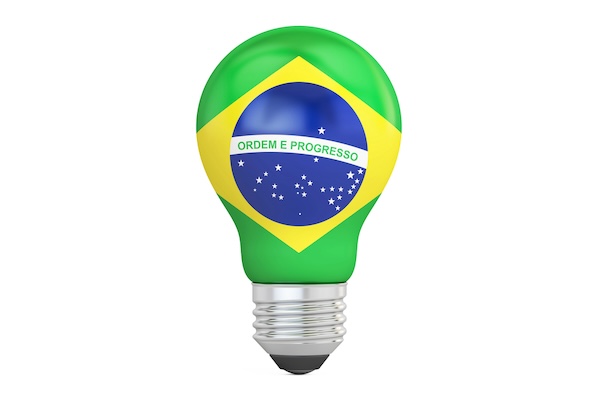
According to the blog, authored by the GIPC’s Vice President, Patents and Innovation Policy, Brad Watts, the current proposals are “a solution looking for a problem” and have been proven not to exist by the USPTO’s own research. Any further coordination requirements between the USPTO and FDA would create additional red tape that would ultimately slow down the innovation process, said Watts. He pointed to Brazil as an example of how too much influence by regulatory authorities created a backlog and “inconsistent interpretations” that was recently reversed when Brazil “ended the participation of ANVISA (the Brazilian FDA) in the examination of patent applications.”
The GIPC post ultimately implored the USPTO to instead focus on “data-driven interventions, like hiring more examiners, enhancing training, and updating technology.”
Image Source: Deposit Photos
Author: donscarpo
Image ID: 9469910
![[Advertisement]](https://ipwatchdog.com/wp-content/uploads/2026/06/Womens-IP-Forum-2026-sidebar-700x500-rev2.jpg)



![[Advertisement]](https://ipwatchdog.com/wp-content/uploads/2021/12/WEBINAR-336-x-280-px.png)
![[Advertisement]](https://ipwatchdog.com/wp-content/uploads/2021/12/Ad-4-The-Invent-Patent-System™.png)




Join the Discussion
No comments yet.