
![[IPWatchdog Logo]](https://ipwatchdog.com/wp-content/themes/IPWatchdog%20-%202023/assets/images/temp/logo-small@2x.png)

 0
0 “To be most successful at winning before trial, you’ve got to win before filing.” – Salumeh Ramsay
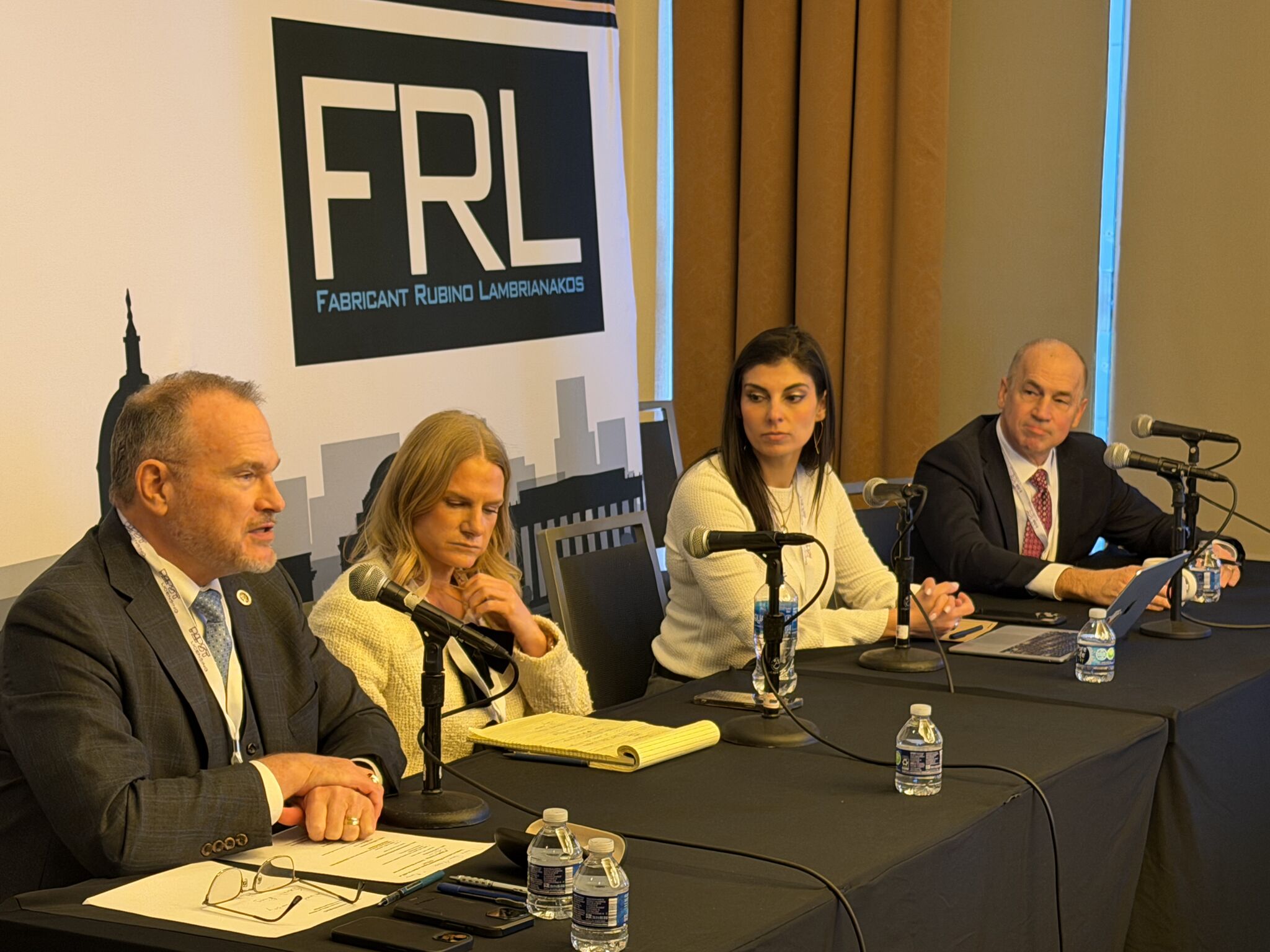 At IPWatchdog LIVE 2026, a panel on IP litigation strategy returned to a point experienced litigators know well: most IP cases are not won at trial. Instead, the decisive work often occurs much earlier, through pre-suit diligence, early motion practice, discovery strategy, and expert challenges that shape whether a case survives long enough to reach a jury.
The session brought together Hon. John W. Holcomb of the U.S. District Court for the Central District of California; damages expert Jon Putnam of Competition Dynamics; Salumeh Ramsay of S.R. Patents LLC; and Sarah J. Ring of Porter Hedges LLP. Together, they offered perspectives from the bench, an expert witness, a strategist focused on building plaintiff-side patent cases before trial counsel takes over, and a litigator with experience on both sides of complex IP disputes. That range gave the discussion unusual depth, and Judge Holcomb’s warmth and wit helped keep it engaging throughout.
Winning Begins Before Filing
The panel began with pre-suit preparation. Ramsay explained that successful cases often involve substantial diligence before a complaint is filed, including infringement analysis, reverse engineering where possible, prior art review, and screening for weaknesses under Sections 101 and 112. Plaintiffs often develop claim charts, damages theories, and venue strategy before filing, and litigation funders reinforce that practice by requiring a detailed assessment of both case strength and economics.
The goal is not simply to identify infringement, but to determine whether the case can survive the critical early stages of litigation and create leverage for a favorable outcome. As Ramsay put it, “to be most successful at winning before trial, you’ve got to win before filing.”
Defendants, the panel noted, benefit from the same kind of early assessment. Sophisticated defendants may outline Section 101, transfer, and prior-art positions before counsel is even formally retained, assess exposure for management, and in some cases try to seize the initiative through a declaratory-judgment action.
Putnam offered a concrete example: a company expecting multiple patent assertions asked him to develop a “reverse rate card” in advance so it could make credible license offers early, rather than negotiate one claim at a time and risk royalty demands that exceeded the product’s economics.
Early Motion Practice Narrows the Battlefield
Once litigation begins, early motion practice can significantly reshape the case. Ring explained that Rule 12 motions remain one of the most effective tools for defendants seeking to narrow claims early. In patent litigation, motions to dismiss may challenge eligibility under Section 101 or argue that the complaint fails to plausibly allege infringement. Method claims, in particular, can be vulnerable where plaintiffs try to attribute every step of a method to a single defendant without adequate factual support.
Jurisdiction and venue challenges can also force early strategic shifts, especially where the accused product is not sold in the forum, or the defendant lacks a place of business there.
Trade secret litigation produced one of the panel’s sharper exchanges. Judge Holcomb noted California’s long-standing reasonable-particularity rule and the tension created by more recent federal Defend Trade Secrets Act (DTSA) practice. At the same time, Ring observed that some federal judges still require plaintiffs to identify the trade secret with real specificity, even if that requires sealed filings. The bottom line was that this is not just a pleading technicality—defendants resist open-ended trade secret discovery because they cannot safely produce their own sensitive technical materials until the alleged secret is clearly defined.
Discovery and Expert Strategy Can Decide the Case
Discovery decisions can also shape the case well before trial. Putnam explained that damages analysis often depends on access to information beyond the accused products themselves. Economists may need comparative data to determine whether the asserted invention actually drove value and, if so, how much.
That can require information about products that do not use the patented technology, as well as data showing performance before and after a feature was introduced. Without that broader record, experts may struggle to isolate causation or properly apportion value among different product features.
Those issues increasingly intersect with Rule 702 challenges to expert methodology. Courts are paying closer attention to the reliability of expert analysis, particularly in damages cases, so discovery limitations can affect whether an expert’s opinion survives a Daubert challenge. Judge Holcomb noted that amendments to Rule 702 reinforced the court’s gatekeeping role, emphasizing that unreliable expert testimony should not simply be admitted and tested through cross-examination.
Ring said Daubert motions are now common practice in IP cases and are typically filed by both sides. In some instances, excluding a damages theory can fundamentally change the economics of a case. Ramsay agreed, explaining that once a damages model is excluded, the case may effectively collapse or settle quickly on new terms.
Get it Right Before Trial
The panel’s central message was that the most important strategic decisions in IP litigation often occur long before trial. Pre-suit diligence establishes the strength of the claims. Early motion practice forces those claims into a shape they must survive. Discovery determines what experts can ultimately prove. Evidentiary rulings on expert testimony can reshape the economics of the dispute. The panel also closed by noting that collateral attacks can create pretrial leverage too, with ex parte reexaminations sometimes offering a faster, cheaper path to a stay than IPRs.
By the time a case approaches trial, much of the leverage may already have been created. For experienced litigators, the panel suggested, winning before trial is not an exception in IP litigation. It is often where the case is decided.
![[Advertisement]](https://ipwatchdog.com/wp-content/uploads/2026/02/LexisNexis-Mar-31-2026-sidebar-700x500-1.jpg)
![[Advertisement]](https://ipwatchdog.com/wp-content/uploads/2026/03/NLPatent-Apr-2-2026-sidebar-700x500-1.jpg)
![[Advertisement]](https://ipwatchdog.com/wp-content/uploads/2026/02/Junior-Apr-7-2026-sidebar-700x500-1.jpg)








![[Advertisement]](https://ipwatchdog.com/wp-content/uploads/2021/12/WEBINAR-336-x-280-px.png)
![[Advertisement]](https://ipwatchdog.com/wp-content/uploads/2021/12/Ad-4-The-Invent-Patent-System™.png)




Join the Discussion
No comments yet. Add my comment.
Add Comment