
![[IPWatchdog Logo]](https://ipwatchdog.com/wp-content/themes/IPWatchdog%20-%202023/assets/images/temp/logo-small@2x.png)

 0
0 “Recent lawsuits involving Lululemon, Sol de Janeiro, and Smucker’s show that courts are now being asked to define the limits of trade dress protection in industries where imitation is common and trend cycles are short.”
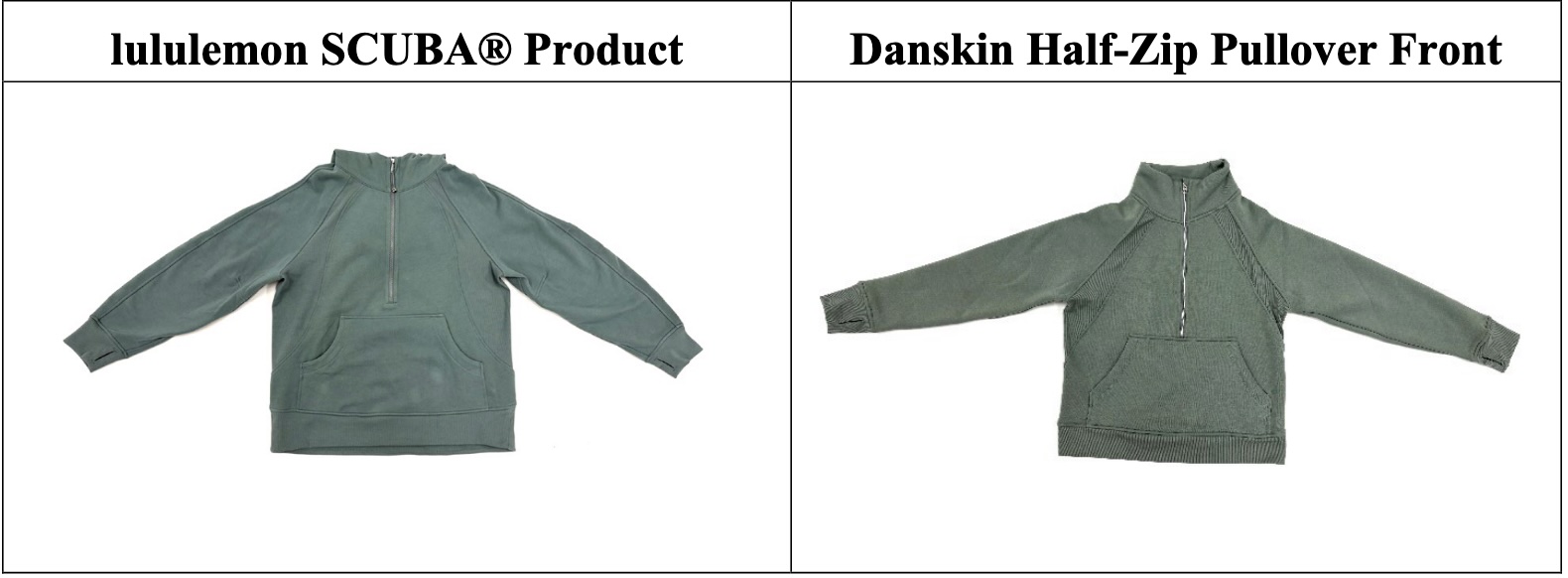
“Run, don’t walk!” has become a familiar call across TikTok and Instagram, signaling that a new budget-friendly “dupe” has landed on store shelves. What was once quiet bargain-hunting has turned into a celebrated online trend, where creators openly compare low-cost look-alikes to premium products.
But, as dupe culture surges, brand owners are increasingly turning to trademark and trade dress law to protect what they argue is far more than just a logo, but their brand identity.
Recent lawsuits against major retailers and beauty brands show that courts are now being asked to draw clearer lines between lawful competition and unlawful imitation.
Dupes vs. Counterfeits: Why the Legal Line Matters
Counterfeit goods are relatively straightforward under trademark law. They falsely claim to be authentic, often using protected logos or brand names to deceive consumers (Schulz).
Dupes, by contrast, avoid direct trademark use. They may mirror design, packaging, and overall product appearance, but consumers can generally tell that the product is inspired by—not the same—as the original (Van Santen).
This distinction places dupes in a legal gray area. While selling counterfeit goods is illegal under federal and state law, dupe sales are only now being tested more aggressively in U.S. courts.
Many of these disputes rely on trade dress and dilution claims under the Lanham Act, which prohibits uses of branding that is likely to confuse consumers or weaken the distinctiveness of famous marks (Trademark).
Why Dupe Culture Is Exploding Now
Dupes are not new, but their popularity is. The word “dupe,” short for “duplicate,” refers to products inspired by high-priced market leaders (Merriam). Imitation goods have existed since at least the Industrial Revolution, when rising middle-class consumers sought access to elite fashion (MIT;Weir). What has changed is visibility and social acceptance.
Earlier generations often concealed knockoffs. Today’s consumers promote them. Social media has dramatically accelerated trend cycles. Influencer culture, which took off in the early 2010s, normalized shopping hauls, product comparisons, and viral recommendations (Havas).
Many viewers, especially younger audiences, could not afford luxury goods, increasing demand for cheaper alternatives (Havas). Today, millions of videos circulate daily recommending dupes and urging viewers to buy before products sell out (Tiktok).
Economic Pressure and the Fast-Fashion Effect
Economic conditions have also fueled dupe culture. With inflation rising, consumers increasingly prioritize affordability (Yurchisin). Fast-fashion retailers such as Shein and Temu use rapid production and data-driven design to replicate popular products almost immediately.
Look-alikes reach store shelves while trends are still peaking. Influencers simultaneously promote luxury brands and their cheaper counterparts, shortening trend lifespans and intensifying demand. Together, social media, economic pressure, and rapid production have turned dupe culture into a defining feature of modern consumption.
Trade Dress Battles Move Into the Spotlight
As dupes move from niche online markets into major retail chains, brand owners are increasingly turning to the courts.
Lululemon v. Costco (2025)
In June 2025, Lululemon sued Costco, alleging that Kirkland-branded apparel unlawfully copied signature elements of its Define jackets and Scuba hoodies. Lululemon claims Costco traded on its reputation and goodwill by selling look-alike designs allegedly produced by overlapping manufacturers.
The company seeks a jury trial, injunctive relief, and damages, arguing that the similarities violate its trademarks and design patents. The outcome could shape how courts treat private-label products that closely resemble premium athletic wear.
Sol de Janeiro v. MCoBeauty
The beauty industry is facing similar scrutiny. In November 2025 Sol de Janeiro sued Australian brand MCoBeauty for allegedly copying its packaging, color schemes, and marketing language such as “smells exactly like”. Sol de Janeiro argues that these similarities infringe its trademark and trade dress rights, while MCoBeauty contends that the designs are generic and not legally protectable. Because fragrance and skincare rely heavily on visual branding, the case could influence how courts evaluate product presentation as a source identifier.
Smucker’s v. Trader Joe’s
In October 2025 The J.M. Smucker Company sued Trader Joe’s over packaging for crustless peanut butter and jelly sandwiches, claiming that the font and color scheme infringe the trade dress of Uncrustables.
Smucker’s emphasized that it does not object to competitors selling similar sandwiches, but objects to what it sees as imitation of distinctive branding.
The case underscores how dupe disputes now extend beyond fashion and beauty into everyday consumer goods.
Why These Cases Matter
At first glance, dupe culture appears to democratize access to fashion and beauty by lowering price barriers. It promotes competition and expands consumer choice. But widespread imitation raises ethical and economic concerns.
Low-cost replicas contribute to overproduction and waste, reinforcing the disposable nature of fast fashion and consumer goods (Minney). Many dupe supply chains rely on low-wage labor and limited regulatory oversight. From an intellectual property standpoint, routine copying may discourage investment in original design and innovation (Osman).
Enforcement Challenges in a Fast-Moving Market
Trademark enforcement has become increasingly difficult.
Fast-fashion companies replicate designs before brands can respond, often selling through global online platforms that complicate jurisdiction and accountability (Jankowska;Havas). Even successful lawsuits may fail to stop imitation in practice, as products disappear and reappear under new listings.
Many brands face costly, prolonged litigation while competing with rapid manufacturing and viral marketing cycles.
How Brands Are Adapting
Some companies are shifting away from litigation-only strategies.
Marketing analysts argue that brands must reinforce authenticity and emotional connection to survive in a dupe-driven market (Williams;Schulz).
Common approaches include:
- Emphasizing transparency around sourcing and craftsmanship (Jankowska).
- Investing in innovation and materials that are difficult to replicate (Minney).
- Using celebrity collaborations to elevate brand status (Minney).
- Launching affordable capsule collections or retail partnerships (Yurchisin).
- Strengthening community engagement through influencers and loyalty programs (Yurchisin).
Rather than relying solely on exclusivity, brands increasingly compete on trust and storytelling.
Trademark Law at a Crossroads
Dupe culture reflects shifting consumer values, economic realities, and the influence of social media.
While dupes offer affordability and access, they also threaten long-term brand equity and environmental sustainability.
Recent lawsuits involving Lululemon, Sol de Janeiro, and Smucker’s show that courts are now being asked to define the limits of trade dress protection in industries where imitation is common and trend cycles are short.
Whether trademark law evolves to meet these challenges remains uncertain.
What is clear is that as imitation becomes normalized, the legal system will play a central role in determining how much of a brand’s identity can be copied and how much remains legally protected.
![[Advertisement]](https://ipwatchdog.com/wp-content/uploads/2026/01/DeepIP-Jan-13-2026-sidebar-700x500-NEW.jpg)
![[Advertisement]](https://ipwatchdog.com/wp-content/uploads/2025/11/PTAB-Masters-2026-sidebar-regular-price-700x500-1.jpg)
![[Advertisement]](https://ipwatchdog.com/wp-content/uploads/2025/12/LIVE-2026-sidebar-early-bird-new-700x500-1.jpg)








![[Advertisement]](https://ipwatchdog.com/wp-content/uploads/2021/12/WEBINAR-336-x-280-px.png)
![[Advertisement]](https://ipwatchdog.com/wp-content/uploads/2021/12/Ad-4-The-Invent-Patent-System™.png)





Join the Discussion
No comments yet. Add my comment.
Add Comment