
![[IPWatchdog Logo]](https://ipwatchdog.com/wp-content/themes/IPWatchdog%20-%202023/assets/images/temp/logo-small@2x.png)

 0
0 “By providing testimony and objective evidence directed solely to the SME of the claimed invention, the applicant may avoid the risk of intertwining issues of enablement, written description, novelty and nonobviousness with those of subject matter eligibility.” – USPTO memo for applicants and practitioners
 The United States Patent and Trademark Office (USPTO) today released two memos meant to provide additional guidance around the use of patent subject matter eligibility declarations (SMEDs) for examiners, applicants and practitioners, particularly with respect to “applied technologies” in areas like artificial intelligence and medical diagnostics. The memos do not alter existing procedures and are effective immediately.
The press release sent today emphasized USPTO Director John Squires’ commitment since his first day in office to ensuring that emerging technologies will not be hampered by judicial interpretations of U.S. eligibility law that have made it harder to enforce patents. On the day he was sworn in as the 60th USPTO Director, Squires issued the first patents of his term, both in technology sectors that often face increased scrutiny about patent eligibility during patent prosecution and in the courts. The two patents were directed to distributed ledger/crypto and medical diagnostics technologies.
In August, Squires issued a “reminder memo” on eligibility to Technology Centers 2100, 2600 and 3600 that emphasized the patent eligibility inquiry, particularly focusing on when rejections are appropriate. And in September, an Appeals Review Panel that included Squires issued Ex parte Desjardins, Appeal 2024-000567 (Decided September 26, 2025), which Squires noted in his October remarks to the American Intellectual Property Law Association (AIPLA) further demonstrates the Office’s commitment to ensuring that transformative technologies remain eligible. “When technology rewires how information flows, that’s when invention begins.” Squires remarked at AIPLA.
Today’s memo directed to examiners explains that they must consider a properly-submitted SMED, which is an “existing voluntary option [for applicants] to supply their own evidentiary submission to attempt to overcome Section 101 rejections,” reminds them of USPTO rules and policies surrounding declarations, and provides four examples for examiners of ways that applicants may provide evidence via an SMED that may overcome an examiner’s initial ineligibility determination.
The examples cover Alice Step 2 analyses dealing with: 1) Mental Processes; 2) Improvements to the Functioning of a Computer or to Any Other Technology or Technical Field; 3) Particular Treatment or Prophylaxis; and 4) Amounting to Significantly More. It also provides training resources on declaration and eligibility practice.
The second memo, addressed to applicants and practitioners, reviews best practices for submitting SMEDs and pitfalls to avoid, such as combining them with testimony addressing other areas of law. “By providing testimony and objective evidence directed solely to the SME of the claimed invention, the applicant may avoid the risk of intertwining issues of enablement, written description, novelty and nonobviousness with those of subject matter eligibility,” says the memo. It emphasizes that SMEDs should be submitted as separate documents to ensure clarity and give applicants the best chance at overcoming eligibility rejections, as well as to eliminate confusion for examiners.
“This guidance is intended to improve clarity, strengthen the examination record, and support consistent application of subject matter eligibility principles across technologies,” said the USPTO press release.
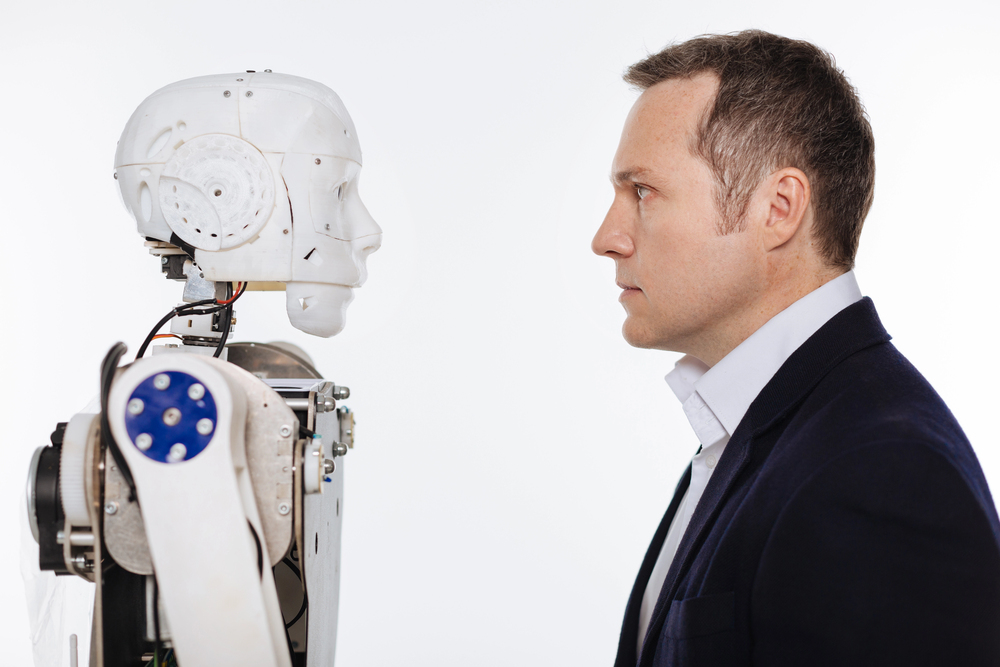
Image Source: Deposit Photos
Author: 3d_generator
Image ID: 661772972
![[Advertisement]](https://ipwatchdog.com/wp-content/uploads/2026/09/IP-Copilot-Sep-8-2026-sidebar-DOW-700x500-1.jpg)
![[Advertisement]](https://ipwatchdog.com/wp-content/uploads/2026/09/Ankar-AI-Sep-10-2026-sidebar-700x500-1.jpg)
![[Advertisement]](https://ipwatchdog.com/wp-content/uploads/2026/06/Womens-IP-Forum-2026-sidebar-regular-price-700x500-rev1.jpg)
![[Advertisement]](https://ipwatchdog.com/wp-content/uploads/2026/08/OneTransform_700x500_v1-REVISED.jpg)
![[Advertisement]](https://ipwatchdog.com/wp-content/uploads/2024/09/Patent-Prosecution-Training-sidebar-700x500-2025-03-27.jpg)



![[Advertisement]](https://ipwatchdog.com/wp-content/uploads/2021/12/WEBINAR-336-x-280-px.png)
![[Advertisement]](https://ipwatchdog.com/wp-content/uploads/2021/12/Ad-4-The-Invent-Patent-System™.png)




Join the Discussion
No comments yet.