
![[IPWatchdog Logo]](https://ipwatchdog.com/wp-content/themes/IPWatchdog%20-%202023/assets/images/temp/logo-small@2x.png)

 0
0 This week on IPWatchdog Unleashed, I had the pleasure of speaking with Daren Tang, Director General of the World Intellectual Property Organization (WIPO). Our conversation spanned a range of topics, from the future of intellectual property (IP), to how intellectual property has been a force for helping humanity, to WIPO’s strategic initiatives and the burgeoning impact of artificial intelligence (AI).
Facilitating Economic Growth and Changing Lives
A central theme of our conversation was Tang’s fervent advocacy for intellectual property as a catalyst for global innovation and betterment of the human condition.
“IP is about one of the most fundamental things about what it means to be human being,” Tang explained. “Which is to look at the world, imagine how it could be different, and apply all tools and knowledge and energies to making that a reality. And IP is part of making, facilitating and enabling that. So, if we look at IP at the highest possible form in its highest broadest way, that’s what it really is about. I mean, the laws and regulations and all that is important. Building up IP ecosystems is at its best about helping us as humanity. To shape the world and make it a better place. That’s, that’s why this mission is for me is, not to be cliched, but it’s almost sacred in a way.”
With enthusiasm, he recounted how WIPO has embraced its role as a facilitator of IP knowledge, and actively helping nations understand and leverage IP as a tool for economic growth. Tang shared inspiring stories, like his visit to Namibia, where WIPO’s mentorship transformed local women entrepreneurs’ perceptions of IP, significantly impacting their business successes, community economies and the lives of their families.
The Global Shift Perception of IP
During our conversation Tang noted a turning point in many developing countries’ approach to IP, driven partly by the pandemic. He explained how COVID-19 has accelerated the realization across developing nations that future growth pivots on innovation and entrepreneurship rather than traditional industrial pursuits. This realization has spurred countries like Egypt and South Korea to elevate their IP governance structures and make the head of IP a minister level position, which reflects a broader strategic shift towards valuing innovation and creativity as a key economic driver.
The AI Revolution: Integration and Challenges
Our conversation ventured into the realm of next-gen technologies, particularly artificial intelligence (AI), and its intersection with IP law. Tang emphasized that while AI represents a significant industrial shift, it’s not unlike past technological transformations that the IP framework has successfully navigated. His focus remains on ensuring IP continues to incentivize and protect human innovation, preserving its fundamental role in fostering human creativity and economic progress.
Tang expressed confidence in the ability of the IP community to adapt thoughtfully to the unique challenges presented by AI. He highlighted ongoing WIPO initiatives aimed at fostering international dialogue and developing best practices for integrating AI within the existing IP landscape.
Focusing on Collaboration, Growth and Asset Value
 Looking forward, Tang articulated goals for the further cementing of WIPO’s position as a global leader in IP and innovation. His priorities include enhancing WIPO’s service delivery to businesses, advancing the dialogue on IP as a development tool worldwide, and facilitating consensus on emerging IP challenges.
One of the initiatives Tang is currently working on is an effort to bring an update to general accounting principles that would unlock the value of IP. As many no doubt know, general accounting principles do not allow for the accounting of organically created intellectual property to be valued on the books as an asset. Instead, intellectual property is booked as an expense. Only when IP assets are sold do they get valued, which means those that innovate and then protect the innovation for themselves cannot realize any asset value on their books for as long as they own the IP, which is truly absurd. Indeed, these best accounting practices get in the way of investors knowing what the true value of a company is. This unrealistic view of IP as a cost and not as an asset also allows business leaders to ignore IP because it doesn’t help the bottom line—or so they think.
Seeking a Second Term
Tang is about to enter the final year of his current term at the helm of WIPO, but Singapore has renominated him for a second six-year term as Director General. The window for nominations opened July 24 and will close on October 24. If anyone else is nominated elections will be held in February 2026, with ratification by all 194 Member States in April 2026. Tang hopes for a second term, and as mentioned during our conversation we would love to see him get a second term. He has brought stability and renewed purpose to WIPO, and the agency is doing more than ever in support of a mission to proselytize on behalf of the virtues and values of intellectual property.
In summary, Tang’s zeal for IP’s transformative potential is palpable; he views it as a sacred mission integral to humanity’s progress. As we wrapped up our discussion, it was clear that Tang’s leadership is shaping how intellectual property will navigate the challenges and opportunities of tomorrow’s global economy, and we at IPWatchdog are hopeful that he will be given a second term to continue the good work he has started.
Join the conversation and explore how IP is continuously reshaping our world. Stay tuned to IPWatchdog Unleashed for more discussions with the leaders shaping the future of intellectual property.
More IPWatchdog Unleashed
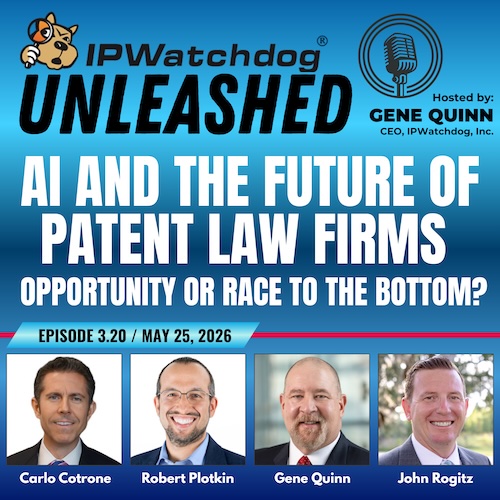
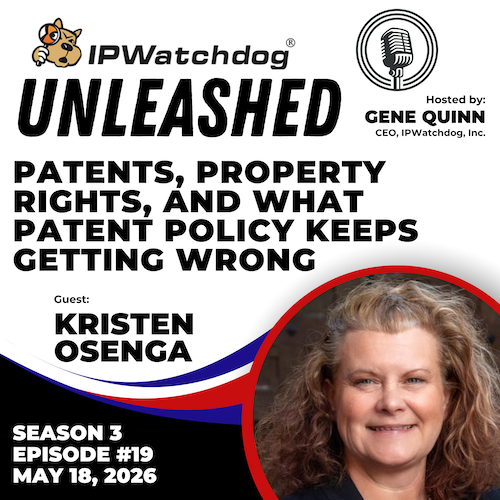
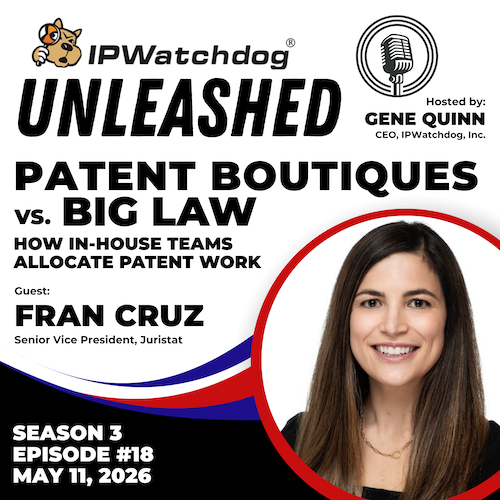
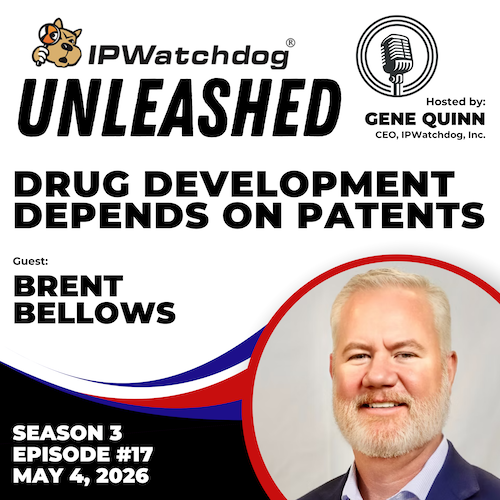
You can listen to the entire podcast episode by downloading it wherever you normally access podcasts or by visiting IPWatchdog Unleashed on Buzzsprout. You can also watch other IPWatchdog Unleashed conversations on the IPWatchdog YouTube channel. For more IPWatchdog Unleashed, see below for our growing archive of previous episodes.
![[Advertisement]](https://ipwatchdog.com/wp-content/uploads/2026/05/DeepIP-Jun-2-2026-sidebar-700x500-1.jpg)
![[Advertisement]](https://ipwatchdog.com/wp-content/uploads/2026/05/Protege-in-PatentSight-typographic-350x250-Ad-C.png)
![[Advertisement]](https://ipwatchdog.com/wp-content/uploads/2026/05/Patent-Masters-2026-sidebar-700x500-rev1.jpg)



![[Advertisement]](https://ipwatchdog.com/wp-content/uploads/2021/12/WEBINAR-336-x-280-px.png)
![[Advertisement]](https://ipwatchdog.com/wp-content/uploads/2021/12/Ad-4-The-Invent-Patent-System™.png)






Join the Discussion
No comments yet.