


 2
2 “While it is easy to envision gamesmanship with this bifurcation between RPI and a certification [by the petitioner as to standing], PREVAIL 2025 seems like an important step forward toward a better, fairer PTAB.”
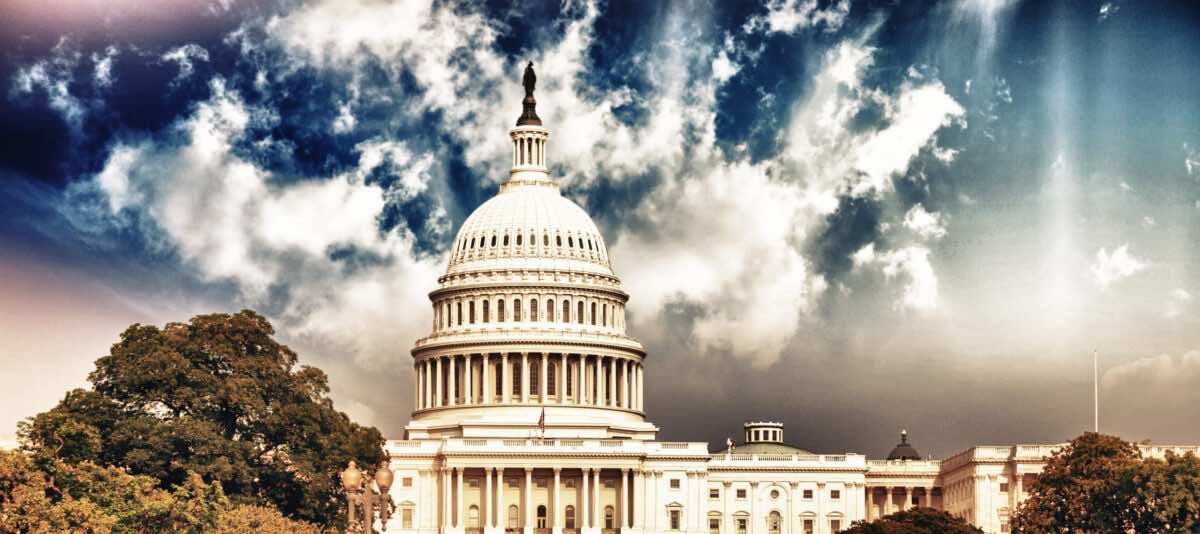 Last night, on the same day the Patent Eligibility Restoration Act of 2025 was introduced in both the Senate and House of Representatives, Senators Chris Coons (D-DE), Thom Tillis (R-NC), Dick Durbin (D-Il.), and Mazie Hirono (D-HI) also reintroduced the Promoting and Respecting Economically Vital American Innovation Leadership (PREVAIL) Act, which would significantly reform Patent Trial and Appeal Board (PTAB) practice.
PREVAIL was first introduced in 2023 and perhaps most notably included changes to standing requirements for PTAB petitioners. The latest version of the bill revises the section on standing to a requirement that petitioners “certify” they are an entity that:
- A) is a nonprofit organization;
- B) “is currently engaging in, or has a bona fide intent to engage in, conduct within the United States that reasonably could be accused of infringing 1 or more claims of the challenged patent”;
- C) “would have standing to bring a civil action in a court of the United States seeking a declaratory judgment of invalidity with respect to 1 or more claims of the challenged patent”; or
- D) “has been sued in a court of the United States for infringement of the challenged patent.’’
IPWatchdog Founder and CEO Gene Quinn said the changes to PREVAIL 2025 “don’t seem to substantively change the meaning or intent of the bill” and that the revisions to the standing requirements, in theory, should not make a huge difference. He explained:
“PREVAIL now separates provisions relating to consequences for those that are real parties in interest and a certification requirement that would seem to functionally require petitioners have standing in the Constitutional sense. This change could signal a different approach whereby petitioners merely need to certify that they have standing without showing any proof of standing. While that may seem innocuous, it could have some important consequences. The PTAB currently requires petitioners to state that they are not estopped from filing a petition but does not require proof. Entities like Unified Patents do not supply the names of their paying members, so there is no way to verify whether an estoppel would be appropriate—the PTAB merely takes the word of the challenger that they are not estopped. While it is easy to envision gamesmanship with this bifurcation between RPI and a certification that the challenger has no intent to profit from the challenge, is currently engaging in infringing conduct, could bring a civil action in federal court, or has been sued in federal court for infringement, still, PREVAIL 2025 seems like an important step forward toward a better, fairer PTAB, and one where enterprises like RPX and Unified Patents will—or at least should—find it extremely difficult to operate.”
Like the previous versions, the newly introduced bill still:
- Does away with joinder for time-barrred parties;
- Applies estoppel at the time the challenge is filed rather than after the Final Written Decision;
- Institutes a “clear and convincing evidence” standard for patent invalidity at the PTAB and require claims be interpreted using the “plain and ordinary meaning” standard used in district courts;
- Requires the Director to establish a Code of Conduct for PTAB judges and would demand more transparency of the USPTO Director with respect to their involvement in PTAB decisions;
- Requires parties to choose whether to bring their action at the PTAB or in district court, but not both, in an effort to end duplicative proceedings;
- Ends the practice of filing reexaminations following failed PTAB petitions;
- Ends fee diversion; and
- Mandates reports that would evaluate “the impact of patents and abusive demand letters on small businesses” and expand access to patent-searching databases that are available only in-person at public search facilities.
As part of the goal to increase transparency at the PTAB, the bill would also establish that PTAB judges who decide whether to institute a post-grant proceeding would not be the same judges who decide the outcome of the proceeding.
The Center for American Principles Policy Fellow Patrick Kilbride said the changes to both PREVAIL and PERA 2025 “reflect a healthy, deliberative and ongoing legislative process that gives the inventor community ample opportunity to optimize the final outcomes for the patent system” and that “together, PERA, PREVAIL, and RESTORE go a long way to restoring the Constitutional principle that Americans have a right to own their own work, whether it results from physical or mental labors.”
A fact sheet on the bill is available here and the full text of the bill is available here.
Image Source: Deposit Photos
Author: jovannig
Image ID: 12633480
![[Advertisement]](https://ipwatchdog.com/wp-content/uploads/2026/10/BlackBox-IP-Oct-20-2026-sidebar-700x500-1.jpg)
![[Advertisement]](https://ipwatchdog.com/wp-content/uploads/2026/10/Questel-Oct-22-2026-sidebar-700x500-1.jpg)
![[Advertisement]](https://ipwatchdog.com/wp-content/uploads/2026/09/Life-Sciences-2026-sidebar-early-bird-ends-Oct-25-700x500-1.jpg)
![[Advertisement]](https://ipwatchdog.com/wp-content/uploads/2026/09/WE-BUY-PATENTS-SIM-IP-Ad-1-revised-on-Sep-28-2026-700x500-1.jpg)
![[Advertisement]](https://ipwatchdog.com/wp-content/uploads/2024/09/Patent-Prosecution-Training-sidebar-700x500-2025-03-27.jpg)





![[Advertisement]](https://ipwatchdog.com/wp-content/uploads/2021/12/WEBINAR-336-x-280-px.png)
![[Advertisement]](https://ipwatchdog.com/wp-content/uploads/2021/12/Ad-4-The-Invent-Patent-System™.png)




Join the Discussion
2 comments so far.
Josh Malone
May 2, 2025 05:32 pmWould this legislation abrogate the Fintiv framework? The language bars institution after final judgment. But Fintiv allows for denial of institution based on anticipated trial date. Under Fintiv, a petition could be denied 2 or 3 years earlier than a final judgment.
mike
May 2, 2025 03:18 pmWhere’s the jury? And why do we now have to pay to defend our IP rights in two forums instead of one? Why does merely intending to engage in conduct that could be accused of infringing grant standing to challenge an inventor’s IP rights? That’s just straight up abuse.
Signed, the inventors