
![[IPWatchdog Logo]](https://ipwatchdog.com/wp-content/themes/IPWatchdog%20-%202023/assets/images/temp/logo-small@2x.png)

 0
0 “On the composition and sound recording side, athletes sometimes… don’t understand that they need the right to the mechanical recording.” – Sid Fohrman, Paul Hastings
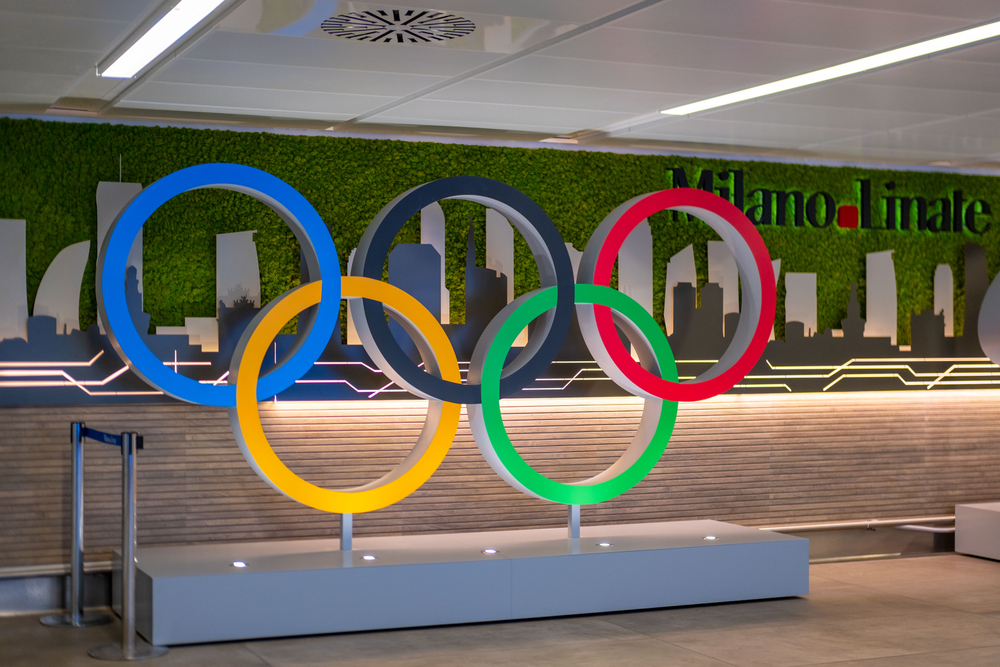 In 1924, several changes were wrought to the format of the Olympic Games that remain permanent features more than a century later, as the 2026 Milan Cortina Winter Olympics take place in Milan, Cortina. That year featured the first lodging for athletes in what would become the Olympic Village, the first radio broadcasts of live Olympic events, and the first edition of the Winter Olympic Games as a separate event for the summer games. Figure skating events were among the games introduced at the 1924 Winter Olympics in Chamonix, France, and a century later, the international competition has been roiled by a series of copyright authorization issues leaving some skaters scrambling to change their routine and avoid infringement liability.
ISU Rule Changes Allow Skaters to Use Contemporary Pop Music Covered by Copyright
In 2014, rule changes established by the International Skating Union (ISU) and taking effect after the Sochi Winter Olympics allowed figure skaters to perform their routines to background music containing sung vocals, taking the sport out of the realm of classical music and creating opportunities to use contemporary music with lyrics. In Milan Cortina, several figure skaters performing their routine without any music clearance issues for months suddenly faced legal issues leading up to the Games. In the case of the United States’ Amber Glenn, that clearance issue arose after the songwriter watched Glenn’s free skate routine, recognized his song and posted about the unauthorized use on X.
Jeffrey Cadwell, Partner at Dorsey & Whitney and co-chair of Dorsey’s Creative Industries Group, told IPWatchdog that athletes have a complicated maze of rights ownership to navigate when licensing music for international competitions. “Now, with skaters using pop songs, you need to get a license from the songwriter(s),” said Cadwell, who is a musician himself. “And since many pop songs have multiple contributors, this can mean gathering rights from multiple sources.”
Along with athletes licensing the copyright to the composition, the performance venue must have a public performance right with performing rights organizations (PROs) like BMI or ASCAP. Cadwell added that athletes also must typically obtain a master use license with the record label that owns the sound recording copyright, along with any additional permissions required to make significant edits to the recording or use any costume replicas.
The framework for licensing music in connection with competitions or sporting events is complex even for sophisticated parties said Sid Fohrman, Entertainment and Media Partner at Paul Hastings and Chair of the firm’s Music Industry Practice. Fohrman, who worked as outside counsel on the Opening and Closing Ceremonies for IP issues for the 2012 London Olympics and 2014 Sochi Olympics and has also worked on clearing music for use in NFL halftime shows, said that it’s not uncommon for athletes or event coordinators to have to obtain last-minute copyright clearances.
Statutory License Solution Unlikely But Central Copyright Data Repository Would Help
One of issues leading to the current copyright kerfuffle at Milan Cortina was several athletes’ mistaken belief that they had obtained the necessary clearances to perform to music many of them had used without issue leading up to the 2026 Winter Olympics. “With respect to music synchronizations, athlete representatives mistakenly sometimes rely on the public performance right procured by the arena as they don’t appreciate that they need separate licenses for both the sound recording and composition,” Fohrman said. While this is the first time Fohrman has seen copyright issues break out at this scale in connection with the Olympics, he added that similar issues were at play in the copyright litigation leading up to National Music Publishers Association’s February 2019 settlement with interactive fitness company Peloton over the use of music in live (and recorded) fitness classes.
The ISU directs figure skaters to clear music through the licensing platform ClicknClear and while that has helped many athletes obtain clearance, Fohrman highlighted that the fractionalized nature of composition ownership and disparate views on how to manage the work among owners makes licensing more challenging. “There’s no central repository of copyright information worldwide that allows someone to visit a database and see who owns every piece of every copyright,” Fohrman said, though he noted that database solutions to administer the blanket licensing scheme codified into the Music Modernization Act provides at least the beginnings of a solution that could be improved upon by artificial intelligence or blockchain.
Potential infringement consequences forced several skating routines to change at Milan Cortina, though Fohrman acknowledged that a fair use argument did exist. “There appears to be an argument that the use is non-commercial in nature and that the use is highly creative compared to reprinting lyrics on a page,” he said. While a fair use defense is no substitute for licensing, Fohrman noted that some parties make business decisions whether to ask for permission or forgiveness based on their situation. He added that he has also worked with IP owners who have seen unauthorized uses of their work and decide not to pursue litigation due to non-economic factors like affiliation with a desirable brand.
Fohrman, who has seen these issues play out on sports largest stages, expects that the Olympics will have an appropriate response that allows figure skaters to approach the 2030 Olympics in the French Alps without legal problems arising last-minute. “I think the Olympics will sort this out by ensuring athletes understand the rights they need to clear and the need to do so immediately,” he said. “The solution here is to address the issue by clearing the music before an athlete spends countless hours practicing a routine only to discover that a clearance would be too costly or one of the rightsholders won’t agree to the use.” Fohrman added that solutions to the licensing complexity probably require statutory changes that would be difficult to achieve considering the mix of stakeholders involved.
Image Source: Deposit Photos
Author: kittyfly
Image ID: 846842070
![[Advertisement]](https://ipwatchdog.com/wp-content/uploads/2026/02/Ankar-AI-Feb-17-2025-sidebar-700x500-1.jpg)
![[Advertisement]](https://ipwatchdog.com/wp-content/uploads/2026/02/Juristat-Feb-26-2025-sidebar-700x500-1.jpg)
![[Advertisement]](https://ipwatchdog.com/wp-content/uploads/2025/12/LIVE-2026-sidebar-regular-price-700x500-1.jpg)




![[Advertisement]](https://ipwatchdog.com/wp-content/uploads/2021/12/WEBINAR-336-x-280-px.png)
![[Advertisement]](https://ipwatchdog.com/wp-content/uploads/2021/12/Ad-4-The-Invent-Patent-System™.png)





Join the Discussion
No comments yet. Add my comment.
Add Comment