
![[IPWatchdog Logo]](https://ipwatchdog.com/wp-content/themes/IPWatchdog%20-%202023/assets/images/temp/logo-small@2x.png)

 0
0 “‘Dupes’ and ‘Dupe Culture’ and their interaction with trademark and trade dress law will be front and center in 2026.”
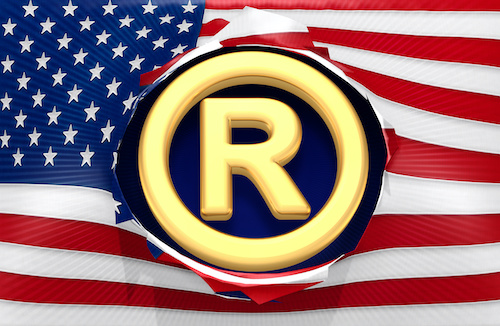 What do affiliated corporate entities, non-fungible token (NFTs) and cinnamon-flavored whiskey have in common? They each were the subject of significant trademark rulings in 2025. Below, we review three cases with big implications for trademark law and what’s on the horizon for 2026.
Dewberry Group, Inc. v. Dewberry Engineers Inc.
Trademark remedies under the Lanham Act took center stage in Dewberry Group, Inc. v. Dewberry Engineers Inc., 604 U.S. _____ (No. 23-900) (Feb. 26, 2025), and a key takeaway from this case is that if trademark disgorgement is going to be involved in a case, always identify all entities that may have earned profits attributable to the alleged infringement.
The case hinged on the corporate structure employed by the defendant below, Dewberry Group, which provided business operation services solely to affiliate corporate entities, each of which owned a single commercial property for lease. The affiliate entities business purpose was to generate rental income from their respective commercial properties, and they used the business operation services provided by Dewberry Group to do so. The rental income went on the books of the affiliate entities and they amassed tens of millions of dollars, and the affiliate entities paid Dewberry Group agreed-upon fees set a lower-than-market rates, resulting in the Dewberry Group operating at a loss for decades, staying afloat through cash provided by its owner, John Dewberry.
Dewberry Engineers, owner of a registered trademark in the word DEWBERRY in connection with the offering of real-estate services sued Dewberry Group alone for trademark infringement and unfair competition under the Lanham Act, without naming the affiliate companies, and succeeded decisively, with the District Court finding the trademark infringements intentional and willful. When it came to damages, and more specifically, disgorgement of profits of the defendant, the District Court, seeing that the Dewberry Group operated at a loss and thus had no profits to disgorge, instead treated the Dewberry Group and its affiliate corporate entities together as one entity when calculating the award of profits, and awarded $43 million to Dewberry Engineers. Notably, there was no attempt made by Dewberry Engineers to pierce the corporate entity.
The Supreme Court unanimously held that the profits of the named defendant were the only profits available for disgorgement under the Lanham Act, and since Dewberry Engineers did not name the affiliate corporate entities as defendants, the District Court erred in including the profits of the affiliate corporate entities in the award, and remanded the case for recalculation of the damages.
Yuga Labs, Inc. v. Ripps, No. 24-879
Emerging technologies frequently present problems when attempts are made to apply existing legal principles to them. Nonfungible tokens (NFT’s) are no exception, and the Ninth Circuit, in Yuga Labs, Inc. v. Ripps, No. 24-879 (9th Cir. July 23, 2025) recently grappled with the application of trademark law to NFT’s and, specifically, whether NFT’s are considered “goods” under the Lanham Act for purposes of trademark protection. The Defendant Ripps argued that the intangible nature of NFT’s precludes them from being considered trademarkable goods, asserting that the Supreme Court decision in Dastar Corp. v. Twentieth Century Fox Film Corp., 539 U.S. 23 (2003) renders intangible goods ineligible for trademark protection.
The Ninth Circuit held that in Dastar the Supreme Court “did not adopt a bright-line rule delineating tangible and intangible goods” and that the Defendants fell “short of establishing that NFTs are categorically excluded from protection under the Lanham Act,” concluding that the NFT’s at issue are considered “goods” under the Lanham Act. The Court reasoned that NFT’s are traded, purchased and have commercial and economic value in online marketplaces and are thus worthy of trademark protection just as are more traditional tangible goods. The takeaway is that purveyors of NFT’s can protect their NFT branding in the same manner that conventional tangible goods are protected.
Bullshine Distillery LLC v. Sazerac Brands LLC
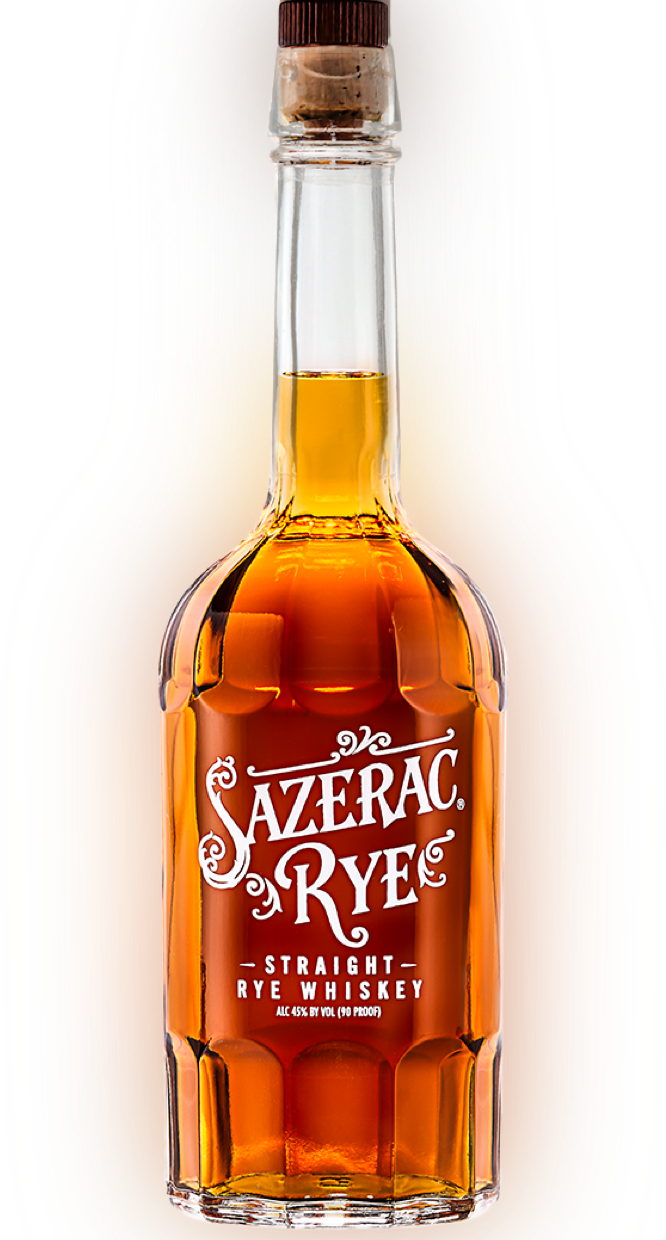
In a case of first impression, the U.S. Court of Appeals for the Federal Circuit held in Bullshine Distillery LLC v. Sazerac Brands LLC, 130 F. 4th 1025 (Fed. Cir. 2025) that whether a mark is generic should be assessed at the time of registration. The dispute evolved from Bullshine’s attempt to cancel Sazerac’s registration for the mark FIREBALL for its cinnamon-flavored whiskey, alleging that FIREBALL is a generic term for cocktails and the like that included spiced or cinnamon alcohols and Tabasco sauce. The essence of Bullshine’s assertion was that once a mark becomes generic, it is always generic, forever. In reviewing the language of Section 2(e) of the Lanham Act, the Court concluded that the Lanham Act “prevents registration of a generic term because it would deceive consumers as to the origin of a good” and that such an inquiry “necessarily looks to what consumers would think at the time of registration.” Looking at the statutory scheme of the Lanham Act, the Court noted that it allows marks to be cancelled anytime if they become generic, even marks that are incontestable, and that this shows that Congress understood genericness of a mark can change over time. The key takeaway is that perception of consumers must be incorporated into any analysis of genericness.
What’s on the Horizon?
“Dupes” and “Dupe Culture” and their interaction with trademark and trade dress law will be front and center in 2026. Perhaps driven by inflation and other economic pressures, generic brands, store brands, and private label products are more and more frequently found on store shelves. Unlike counterfeit products, such products may possess similar packaging, appearance, taste, or design to higher-priced and well-known branded items, and these characteristics can sometimes create potential confusion in the marketplace as to the source of these products. Given the current economic climate and consumer price sensitivity, it is not surprising that multiple high-profile lawsuits have recently been filed that may find their way to the courtroom in 2026. Most notably:
- May 2025 – Mondelez International filed suit against Aldi Inc. in the U.S. District Court for the Northern District of Illinois, alleging trademark and trade dress infringement in connection with its Oreos, Chips Ahoy, Nutter Butter, Nilla Wafers, Wheat Thins, and Ritz brands.
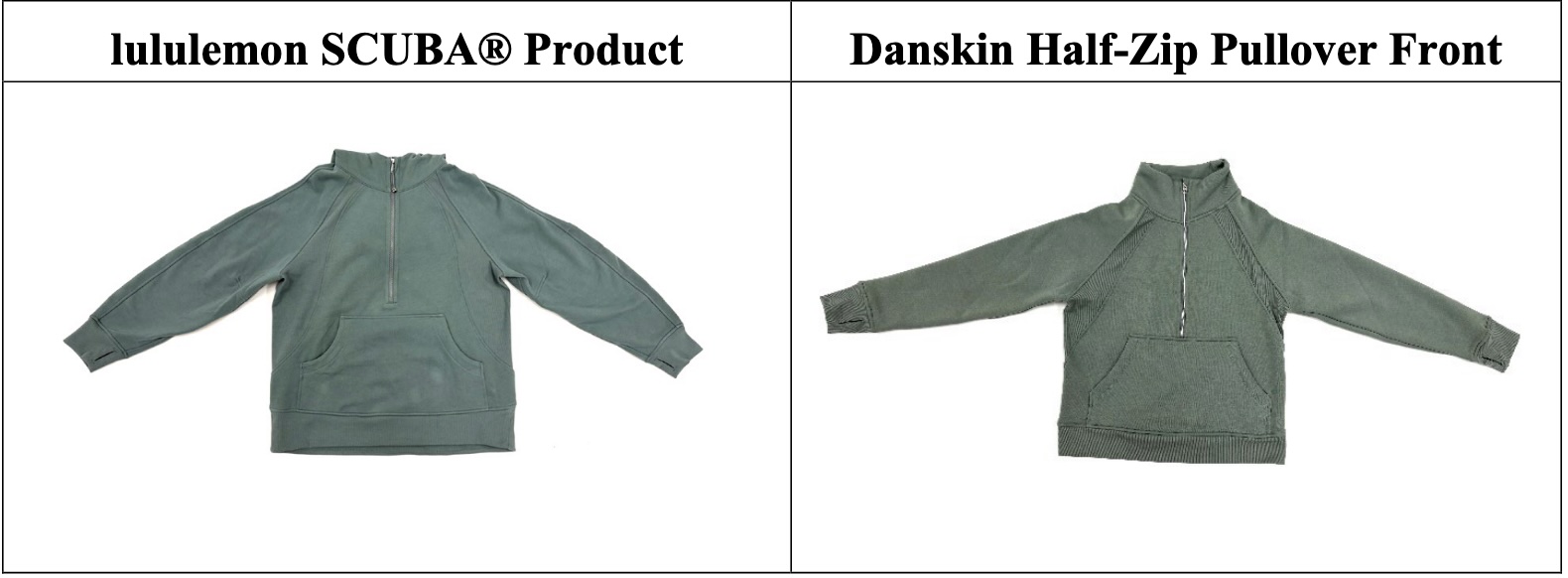
- June 2025 – Lululemon Athletica Inc. filed suit against Costco Wholesale Corp. in the U.S. District Court for the Central District of California, alleging that Costco was duping its products with its Kirkland private label products.
- October 2025 – J.M. Smucker Company filed suit against Trader Joe’s in the U.S. District Court for the Northern District of Ohio, alleging trademark and trade dress infringement in connection with Trader Joe’s sale of crustless, ready-to-eat peanut butter and jelly sandwiches under the Trader Joe’s brand infringe Smucker’s trademarks and trade dress for its UNCRUSTABLES branded sandwiches.
Consumer confusion, as it always is in trademark and trade dress disputes, will be a key issue in each of these cases, but packaging design, color schemes, and functionality may also play key roles. These cases will be watched closely as “Dupe Culture” gains popularity, particularly as social media users continue to share and promote dupes as alternatives to higher priced products.
![[Advertisement]](https://ipwatchdog.com/wp-content/uploads/2026/01/IP-Author-Jan-22-2026-sidebar-700x500-1.jpg)
![[Advertisement]](https://ipwatchdog.com/wp-content/uploads/2025/11/PTAB-Masters-2026-sidebar-regular-price-700x500-1.jpg)
![[Advertisement]](https://ipwatchdog.com/wp-content/uploads/2025/12/LIVE-2026-sidebar-early-bird-new-700x500-1.jpg)





![[Advertisement]](https://ipwatchdog.com/wp-content/uploads/2021/12/WEBINAR-336-x-280-px.png)
![[Advertisement]](https://ipwatchdog.com/wp-content/uploads/2021/12/Ad-4-The-Invent-Patent-System™.png)


Join the Discussion
No comments yet. Add my comment.
Add Comment