


 1
1 “Regardless of how the Patagonia dispute ultimately resolves, the case offers a valuable reminder that trademark law frequently operates in shades of gray.”
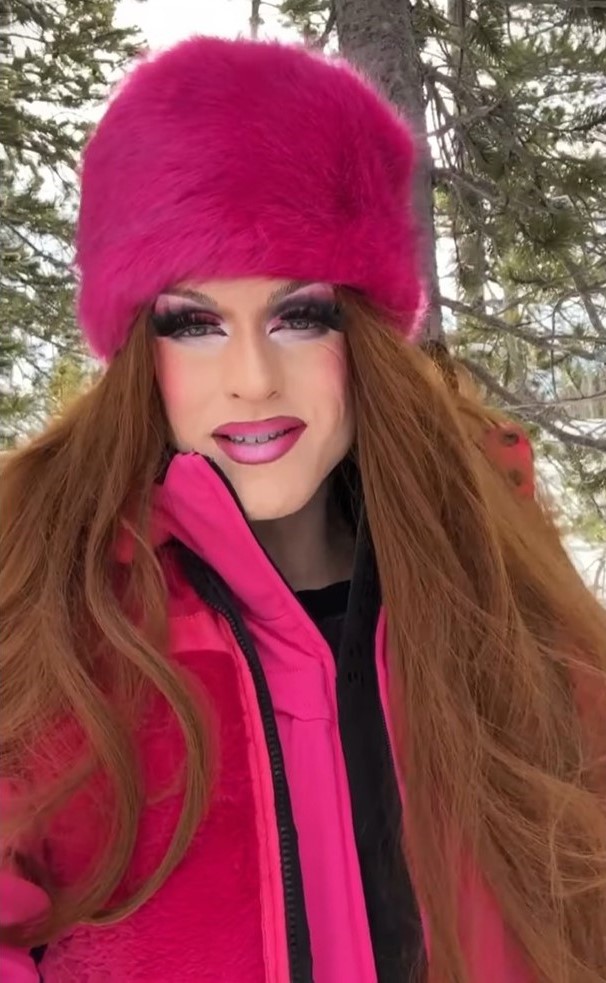
The ongoing trademark dispute between outdoor apparel company Patagonia and environmental activist and drag performer Pattie Gonia has generated considerable public attention. To many observers, the case appears to be a clash between a large corporation and an individual activist who shares many of the company’s environmental values. But viewed through the lens of trademark law, the dispute raises a far more nuanced question.
When does a parody, commentary, or expressive use of a brand cross the line into actionable trademark infringement?
The answer has implications far beyond the parties involved. The dispute highlights fundamental trademark principles that affect companies, influencers, activists, startups, and content creators alike. It also serves as a reminder that trademark enforcement is not simply a matter of corporate preference. In many cases, it is a legal and business necessity.
The Dispute at the Center of the Debate
Patagonia’s lawsuit centers on allegations that Pattie Gonia crossed from expressive and advocacy-related uses of the name into commercial activities that implicate Patagonia’s trademark rights.
According to the complaint, the parties reached an understanding in 2022 under which Patagonia did not object to certain uses of the Pattie Gonia name in connection with advocacy efforts and a partnership with water bottle manufacturer Hydro Flask, provided the name and Patagonia’s branding were not used on products.
However, Pattie Gonia later filed a trademark application for the stage name and expanded into branded merchandise using alleged variations on Patagonia’s marks, leading Patagonia to file the suit after the parties failed to informally resolve their differences. The company is seeking nominal damages of $1, attorney’s fees, and an order preventing further alleged infringement. Pattie Gonia disputes those claims and argues the lawsuit threatens their longstanding activist identity and platform.
Why Trademark Owners Cannot Simply Look the Other Way
Many commentators have questioned why Patagonia chose to pursue legal action at all. The company is reportedly seeking only nominal damages, leading some to argue that the dispute is symbolic rather than substantive.
However, trademark law does not always permit brand owners to remain passive.
A trademark is more than a logo or a name. It embodies a company’s reputation, goodwill, and the expectations consumers associate with a particular source of goods or services. If consumers encounter a trademark, they should be able to trust that the product or service originates from a single source and meets consistent standards.
The law recognizes that value, which is why trademark owners are expected to police their marks. Failure to do so can have significant consequences.
First, the strength of a trademark can be weakened when numerous third parties use similar marks for related goods or services. One of the factors courts evaluate in infringement disputes is the strength of the plaintiff’s mark. As more similar uses enter the marketplace, defendants may argue that the mark has become diluted and is entitled to a narrower scope of protection.
Second, trademark owners that delay enforcement may face defenses such as laches. Under this equitable doctrine, courts may be less willing to intervene if a rights holder knowingly allowed a potentially infringing use to continue for years before taking action.
From a legal perspective, therefore, trademark enforcement is often less about punishing a particular user and more about preserving the long-term integrity of the brand.
The Critical Distinction Between Expressive Use and Commercial Use
One of the central issues in the Patagonia dispute involves the distinction between expressive activity and commercial activity.
Trademark law has long recognized that parody, commentary, criticism, and other expressive uses can warrant heightened protection under the First Amendment. A parody that comments on or critiques a brand may receive substantial legal protection, particularly when used in artistic or expressive works such as films, books, music, visual art, or other forms of commentary.
However, that protection is not unlimited.
The Supreme Court’s unanimous 2023 decision in Jack Daniel’s Properties, Inc. v. VIP Products LLC provides important guidance.
In that case, the defendant sold a dog toy that mimicked the appearance of Jack Daniel’s iconic whiskey label while replacing portions of the text with dog-themed jokes. The defendant argued that the product constituted a parody and therefore deserved heightened First Amendment protection.
The Supreme Court disagreed with that broad proposition.
Instead, the Court emphasized that when a defendant uses a trademark as a designation of source for its own commercial products, traditional trademark principles continue to apply. Put differently, parody does not automatically shield a party from infringement claims when the parody itself is functioning as a trademark for goods.
The Court did not eliminate parody defenses. Rather, it reinforced an important distinction between expressive works and commercial product branding.
That distinction may ultimately prove significant in the Patagonia dispute.
Why Expansion into Merchandise Changes Everything
Many creators, influencers, activists, and entertainers build audiences through content, advocacy, and social engagement. In many cases, their names and personas become valuable brands in their own right.
The challenge arises when those brands expand into merchandise, licensing programs, endorsements, and other commercial ventures.
What may have begun as an expressive or advocacy-driven use (protected by the First Amendment) can suddenly enter a different legal category.
That is particularly true when a name, logo, or brand identity closely resembles an existing trademark. Once commercial products enter the picture, questions of consumer confusion become much more significant.
Consumers may begin to wonder whether there is a sponsorship, partnership, endorsement, or affiliation between the parties. Even in the absence of evidence of actual confusion, in order to determine the question of trademark infringement, courts must evaluate whether confusion is likely.
For brand owners, that possibility often creates pressure to act.
The Risks of Building a Brand Too Close to Someone Else’s Brand
The Patagonia dispute also highlights a broader lesson for creators, startups, and entrepreneurs.
Building a brand around a play on a well-known trademark may generate immediate attention and recognition. In some circumstances, that attention may even be part of the appeal.
However, what works as a creative concept in the early stages may become problematic as the business grows.
Many influencers eventually seek to monetize their audiences through merchandise, licensing, sponsorships, events, and consumer products. At that point, trademark risks increase substantially.
A brand identity that seemed clever or harmless during the content-creation stage can become a significant obstacle when expansion plans emerge.
This is why trademark clearance should not be viewed as a formality. It is a critical component of business planning.
Before investing substantial resources in a brand, businesses should conduct thorough trademark searches and obtain legal advice regarding potential risks in the context of a broad business plan which may include consumer products. Early diligence is almost always less expensive than rebranding or defending an infringement lawsuit years later.
When Cooperation Agreements Become Complicated
Another notable aspect of the Patagonia dispute is the allegation that the parties previously reached an understanding regarding acceptable uses of the Pattie Gonia name and branding.
Although the details remain contested, the case illustrates an important reality about coexistence agreements and licenses.
These arrangements often work well when both parties have a shared understanding of the permitted scope of use. Problems arise when one side’s business evolves beyond the original expectations.
A creator who initially focuses on advocacy or content creation may later seek to expand into merchandise or licensing opportunities. A trademark owner that was comfortable with the original use may view that expansion as fundamentally different.
In some respects, an existing agreement can create additional complexity because it may be viewed as acknowledging the trademark owner’s rights while simultaneously limiting the scope of permitted use.
For that reason, businesses and creators should develop clear long-term plans before entering licensing or coexistence arrangements. The scope of permitted use should align with future growth objectives whenever possible.
The Broader Lesson for Brand Owners
Regardless of how the Patagonia dispute ultimately resolves, the case offers a valuable reminder that trademark law frequently operates in shades of gray.
Public discussions often frame disputes as a battle between corporate power and creative expression. The legal analysis is usually more complicated.
Trademark owners have legitimate interests in protecting the goodwill associated with their brands. Creators and activists have legitimate interests in expression, commentary, and identity. Courts are frequently tasked with balancing those competing interests.
The Patagonia dispute sits squarely at that intersection.
Ultimately, the case is not merely about one company and one influencer. It is a reminder that in an era of social media, personal branding, and creator-driven commerce, the line between expression and commercial activity is becoming increasingly difficult and increasingly important to define.








Join the Discussion
One comment so far.
Bob Kelson
June 17, 2026 06:12 amAn enjoyable and informative article. I agree that the parties to any such co-existence agreement must be both forward-looking and clear as to the boundaries of co-existing uses.