


 3
3 “While China’s patent numbers are undoubtedly impressive, the real story lies in the broader impact and international reach of these innovations.”
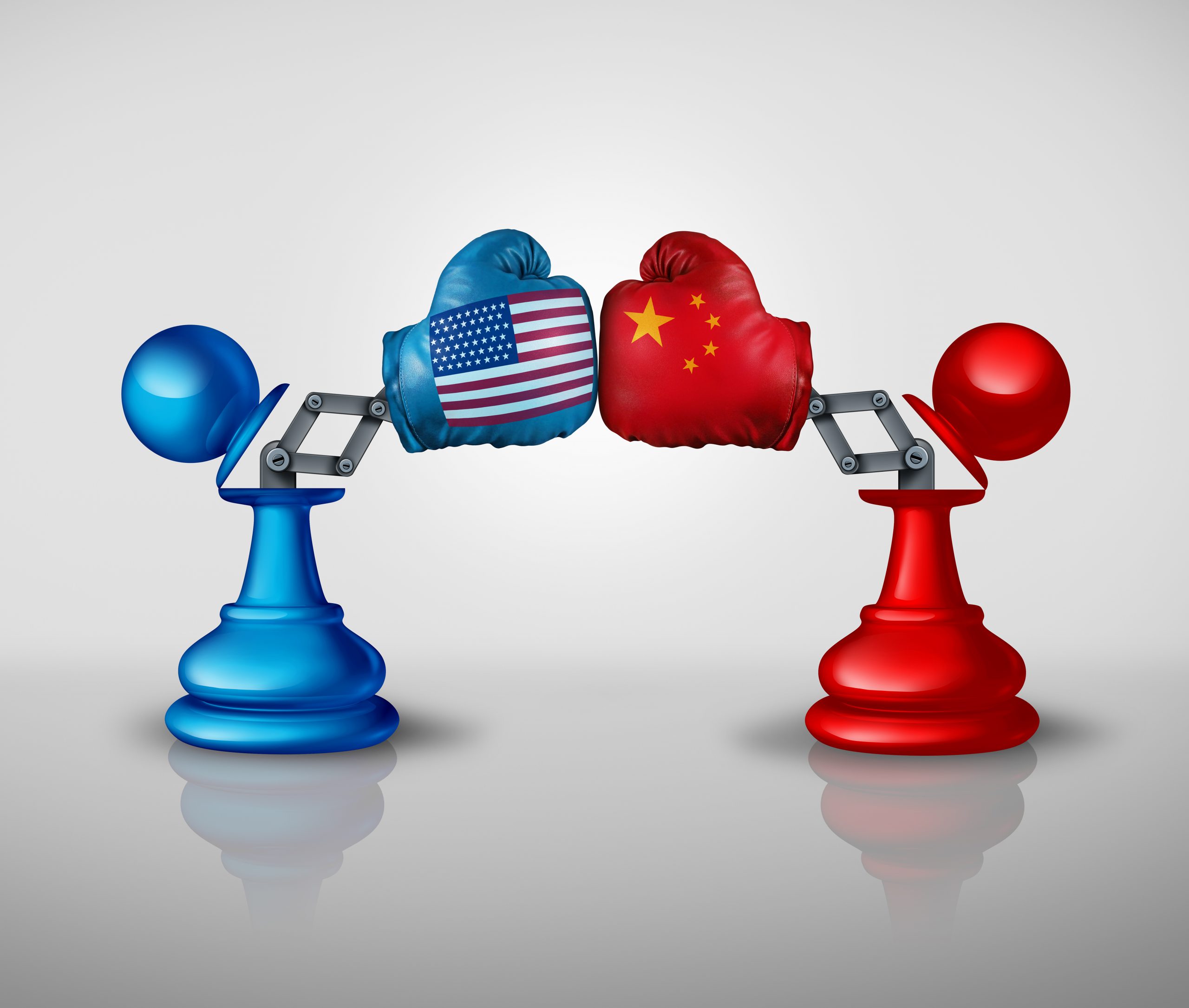 Generative AI (GenAI), a subset of Artificial Intelligence (AI), capable of creating new content such as text, images, and code, has emerged as a transformative force in technology. As nations race to dominate this field, recent discussions and media narratives have prominently featured China as a leading force in Generative AI (GenAI). This is largely influenced by interpretations from a recent World Intellectual Property Organization (WIPO) report, which emphasized China’s substantial growth in domestic patent filings.
However, according to our data, which integrates insights from WIPO’s findings along with our own GenAI IP landscape analysis, the global GenAI leadership landscape is more nuanced. Our research reveals that while China’s contributions are notable, the United States stands out as the true leader in GenAI innovation. This leadership is not solely attributed to the sheer volume of patents but is significantly driven by the United States’ superior global footprint. The United States demonstrates a broader international patent presence, reflecting a higher degree of global influence and technological impact.
In the following sections, we’ll explore key aspects of the GenAI landscape, debunking myths and highlighting the factors that position the United States at the forefront of this revolutionary technology.
By the Numbers
To truly understand the landscape of Generative AI innovation, it’s essential to look at the key players driving this technological revolution. Let’s start by examining the numbers behind the GenAI patent activity in China and the United States.
The sheer volume of patent filings gives us an initial snapshot:
- Total GenAI Patent Families: 38,629
- Patent Families originating from China: 26,368 patent families
- Patent Families originating from the United States: 7,129 patent families
At first glance, these figures seem to indicate that China holds a commanding lead in the race for Generative AI supremacy, with a significant majority of the total GenAI patents originating from Chinese innovators. This might lead one to believe that China is the dominant force in shaping the future of this technology. However, the story is far more complex than what these numbers suggest.
Why Numbers Alone Can Be Misleading
While the raw data presents an impressive narrative for China, it’s crucial to look beyond the quantity of patents and focus on their global influence. In today’s interconnected world, the true measure of innovation leadership isn’t just about how many patents are filed but how these patents resonate on the global stage.
The global impact of a patent is a key indicator of its significance. This impact is measured by the number of patent families that have been filed in countries outside the inventor’s home nation. Such filings indicate a strategic intent to protect and commercialize innovations in international markets, reflecting the broader applicability and relevance of the technology.
Assessment by Global Impact: The United States Outshines China
This is where the dynamics shift, and the United States emerges as a more dominant player:
- Chinese Patent Families with Global Reach: 1,975
- U.S. Patent Families with Global Reach: 3,119
Despite China’s overwhelming lead in the number of domestic patent filings, the United States has a far greater international footprint. This stark contrast highlights the fact that while China’s patents may dominate domestically, they have less influence beyond its borders. In contrast, U.S. innovations in Generative AI are more widely recognized and protected in multiple countries, underscoring their global significance.
The broader international relevance of U.S. patents suggests a strategic focus on global markets, where the technologies are more likely to be commercialized and adopted across different regions. This not only enhances the value of U.S. innovations but also solidifies the United States’ position as a leader in the global Generative AI landscape.
Key Implications
The disparity in global patent filings between the United States and China in Generative AI (GenAI) highlights key differences in their strategic approaches and implications for global leadership. The U.S. strategy of securing patents in a broad array of international markets reflects a significant advantage, revealing several important factors:
- International Relevance: The U.S. emphasis on global patenting underscores the widespread applicability of its GenAI innovations. This broader reach indicates that U.S. technologies are designed to address diverse needs across various markets, enhancing their potential for global adoption and influence.
- Commercial Potential: The substantial investment by U.S. companies in international patent protection signals confidence in the global market value of their innovations. This strategic move demonstrates a commitment to capturing international opportunities and maximizing economic returns from their R&D efforts.
- Technological Leadership: U.S. firms are often patenting foundational and broadly applicable technologies, setting industry standards and driving significant advancements in GenAI. This focus on fundamental innovations reinforces the US’s role as a leader in shaping the future of this technology.
- Market Confidence: The extensive global patent coverage reflects US companies’ strong belief in their innovations’ competitive edge on the international stage. This approach indicates a strategic foresight and confidence in their ability to lead and succeed across diverse global markets.
- Strategic IP Management: The United States’ sophisticated approach to managing international patents demonstrates a nuanced understanding of global IP dynamics. This strategy not only protects their innovations but also strategically positions U.S. firms to navigate and influence the global GenAI landscape effectively.
While China’s patent numbers are undoubtedly impressive, the real story lies in the broader impact and international reach of these innovations. The United States, with its stronger global presence, demonstrates a more strategic approach to Generative AI, ensuring that its innovations are not only protected but also poised for success on a global scale.
Assessment by Strategic Global Filing: A Closer Look at Industry Leaders
Worldwide
When we examine companies with GenAI patents having the most international filings – meaning their innovations are protected in leading jurisdictions – we find that Microsoft, Google, Samsung, and IBM are at the forefront. This global patent coverage strategy underscores the significance and perceived value of their innovations on a worldwide scale.
- Microsoft leads in international patent coverage, securing 84 patent families across six key jurisdictions: the United States (US), Europe (EP), China (CN), South Korea (KR), Japan (JP), and India (IN). This comprehensive approach demonstrates Microsoft’s commitment to protecting its GenAI innovations in major global markets and technology hubs.
- Google holds approximately 66 patent families across the same six jurisdictions as Microsoft. This extensive coverage reflects Google’s strong commitment to safeguarding its GenAI technologies across diverse and strategically important markets.
- Samsung, while not a U.S. company, has a substantial patent portfolio, with 110 patents filed in five jurisdictions: the US, EP, CN, KR, andIN. Samsung’s strategy highlights the importance of the U.S. market and patent system in the global GenAI landscape.
- IBM’s patent strategy is centered on four primary jurisdictions: the US, EP, CN and JP. While covering fewer territories, IBM’s focus on these key markets underscores a targeted approach to protecting its innovations in major tech and economic centers.
By prioritizing filings in diverse, strategically important jurisdictions, these companies are not just protecting their innovations; they are positioning themselves as leaders with the capability to influence the global market. This strategic foresight is a key differentiator that sets them apart in the competitive landscape of Generative AI.
Interestingly, Chinese companies are notably absent from the list of top international filers in the GenAI space. This gap is particularly telling and suggests that while Chinese companies may lead in domestic patent filings, their global patent strategies are less aggressive. This absence underscores a critical point: the United States and other international tech giants are leading the Generative AI race not just in innovation but in ensuring their technologies are protected and influential on a global scale.
U.S. and EP Jurisdictions
Filing patents in the US and EP is not just about protecting innovations; it’s about gaining strategic leverage. These jurisdictions represent major markets with rigorous patent examination processes, meaning that securing a patent here signifies a high level of innovation and technical merit. Companies that successfully navigate these processes are better positioned to enforce their patents, block competitors, and negotiate licensing deals.

U.S. Companies: Leading the Charge
The dominance of U.S.-based companies in securing patents within these jurisdictions is evident. IBM, with 1,458 patents, leads the pack, underscoring its longstanding commitment to innovation and its robust strategy to maintain a technological edge in GenAI. Following closely are other U.S. giants like Microsoft, Adobe Systems, Capital One Services, Google, and Intel, each with hundreds of patents that protect their cutting-edge developments. This strong presence highlights not only their leadership in technological advancements but also their strategic foresight in global intellectual property protection.
Samsung and International Players: Rising to the Challenge
Samsung Electronics, with 1,004 patents, stands out as a leading non-U.S. entity, showcasing South Korea’s rising influence in the GenAI landscape. Samsung’s extensive patent portfolio in both the US and EP jurisdictions highlights its aggressive approach to securing market share and influencing global AI standards.
Chinese companies Tencent and Baidu, with 375 and 305 patents respectively, also make their presence felt. Their active pursuit of patents in these key jurisdictions signals China’s growing ambitions to compete on the global stage. While they may not yet match the patent volumes of their U.S. counterparts, their inclusion in this list reflects an increasingly competitive international landscape.
As the GenAI industry continues to evolve, the strength of a company’s patent portfolio in these influential regions will play a crucial role in determining its long-term success. Companies that prioritize securing patents in the US and EP are not only protecting their current innovations but are also laying the groundwork for future growth, influence, and leadership in the global AI ecosystem.
Assessment by Qualitative Analysis: Ranking GenAI Patents by Strength
When it comes to Generative AI (GenAI), the sheer number of patents is just one part of the story. The true value of these patents lies in their quality, which we’ve assessed through a detailed qualitative analysis. By evaluating key parameters given below, we determined which companies hold the strongest patents in this rapidly evolving field.

Please note that the ranking has been based on the US, EP, and CN components of these GenAI patent families. Priority was given to US grants. For families without a US grant, EP grants were prioritized, followed by CN members with a WIPO application in cases where neither US nor EP grants were available.
The above approach allowed us to objectively rank patents, with higher-quality patents naturally rising to the top of the list. The final rankings were used to evaluate the patent strength of respective assignees, revealing that the majority of high-strength patents are concentrated among the following 20 organizations:

The list includes the U.S.-based industry leaders such as IBM, Google, Amazon Technologies, and Microsoft. These companies are recognized not only for their prolific patenting but also for the high quality, technical sophistication, and market impact of their innovations.
Notably, while Chinese companies such as Beijing Baidu Netcom Science & Technology and Tencent Technology Shenzhen are prominent players in the GenAI field, they do not feature as prominently in terms of patent strength compared to their Western counterparts. This observation suggests that despite their significant investments and advancements in Generative AI, Chinese firms may face challenges related to patent quality, or their patents may not yet achieve the same level of technical sophistication or market impact as those from leading Western companies.
This disparity could be attributed to various factors including differences in innovation strategies, research and development focus, or regional patenting practices. As the global GenAI landscape evolves, it will be crucial for Chinese companies to address these challenges and enhance their patent quality to achieve a more competitive standing on the international stage.
Unprotected Opportunities: The Global Implications of China’s Missed PCT Filings in GenAI
The global patent landscape in Generative AI (GenAI) highlights a critical element of the competitive dynamics between the United States and China. Among the 26,368 GenAI patent families originating from China, only 1,975 have been filed outside the country, as noted earlier. Of the remaining 24,393, a significant 21,369 patents have been published for over a year. This delay in publication has important implications for the international protection and strategic value of these patents.
Implications of Publication Delay:
- Missed Global Filing Opportunities: The delay in publication means that these patents have missed the critical window for filing Patent Cooperation Treaty (PCT) applications. PCT applications are a key mechanism for securing international patent protection, allowing innovators to extend their patent rights across multiple jurisdictions with a single application. Without PCT filings, these patents are not protected globally, reducing their potential to secure exclusive rights in international markets.
- Increased Availability of IP: As a result, patents published over a year ago and lacking international filings can be considered as “free to use” IP in jurisdictions outside of China. This opens up opportunities for other companies and entities to utilize, adapt, or build upon these technologies without infringing on the original Chinese patents. The lack of global protection makes these patents less of a barrier for innovation in international markets.
- Strategic Implications for Competitors: For companies looking to enter or expand in the global GenAI market, the availability of these “free to use” patents provides a strategic advantage. Innovators can leverage this IP to enhance their own technologies, potentially accelerating development and reducing costs associated with licensing or creating new solutions from scratch.
The significant number of Chinese GenAI patents that have not been globally protected due to publication delays presents both challenges and opportunities. While it indicates a strategic shortfall in international IP protection, it also provides a unique chance for global players to capitalize on these unprotected technologies and drive further innovation in the GenAI field.
Why Global Patenting Equates to Leadership
China’s focus on domestic business activities and technological advancements restricts its global influence. For instance, Baidu, a prominent Chinese search engine, excels in the domestic market but struggles to establish a significant presence internationally. Conversely, U.S. companies like Google have not only expanded their footprint within the US but have also established a dominant position internationally, including in China. This expansive reach enables US firms to leverage global markets, influence international standards, and drive technological innovation on a broader scale.
By focusing on the international dimensions of patenting and innovation, it becomes evident that the US is not only leading in the GenAI race but also setting the pace for global technological advancement.
GenAI Regulatory Guidelines in the U.S. and China
China: China’s approach to regulating AI and Generative AI (GenAI) is multifaceted, incorporating laws, regulations, policies, guidelines, and standards. This comprehensive framework aims to foster innovation while ensuring national security and adherence to ethical standards. A notable advancement is the implementation of the Interim Measures for the Management of Generative Artificial Intelligence Services, effective from August 2023. These measures represent a significant advancement in regulating content generating AI services and align with China’s broader ambition to lead in AI by 2030, as outlined in its Next Generation Artificial Intelligence Development Plan.
The regulatory framework strongly emphasizes the protection of intellectual property (IP) rights. The GenAI Standards mandate that training data sources be diverse and free from illegal or harmful information, emphasizing respect for IP rights. This focus on IP is crucial given China’s role as a major contributor to global AI patent applications, with 40% of the world’s AI patents originating from the country. These measures not only protect creators and innovators but also promote a secure and ethical environment for AI advancement.
United States: The U.S. regulatory landscape for AI and GenAI is currently a patchwork of guidelines and principles, such as the White House’s draft Guidance for Regulation of AI Applications and the AI Bill of Rights. Navigating the complexities of IP law is a key concern, particularly regarding data acquisition and the use of copyrighted materials in training AI models. This dynamic environment necessitates that AI companies conduct thorough evaluations of their IP assets and stay informed about associated risks.
The interplay between AI and IP law in the United States demands proactive and adaptable strategies from AI enterprises. Protecting IP assets is essential not only for legal compliance but also for maintaining a competitive edge in the rapidly evolving field of AI.
Final Thoughts
In conclusion, while China’s impressive volume of domestic patent filings in Generative AI initially suggests dominance, a deeper analysis reveals the United States as the true global leader in this transformative field. The United States’ leadership is evident not just in the quantity of patents, but more importantly in their quality, global reach, and strategic protection across key international markets. American companies consistently demonstrate superior patent strength, broader international presence, and more significant innovations that shape global standards in GenAI.
This leadership position of the United States in GenAI carries significant implications for the future of technology and global innovation. It underscores the importance of not just creating intellectual property, but strategically managing and leveraging it on a global scale. As GenAI continues to evolve and reshape industries, the US’s approach to innovation, characterized by a focus on global markets and high-quality, internationally protected patents, positions it to continue driving the direction and application of this revolutionary technology worldwide. This strategic advantage in GenAI is likely to have far-reaching effects on technological advancement, economic competitiveness, and global influence in the AI-driven future.
Image Source: Deposit Photos
Author: lightsource
Image ID: 200310788

![[Advertisement]](https://ipwatchdog.com/wp-content/uploads/2026/10/ClaimHit-Oct-28-2026-sidebar-700x500-1.jpg)
![[Advertisement]](https://ipwatchdog.com/wp-content/uploads/2026/10/Patsnap-Oct-29-2026-sidebar-700x500-1.jpg)
![[Advertisement]](https://ipwatchdog.com/wp-content/uploads/2026/09/Life-Sciences-2026-sidebar-early-bird-ends-Oct-25-700x500-1.jpg)
![[Advertisement]](https://ipwatchdog.com/wp-content/uploads/2024/09/Patent-Prosecution-Training-sidebar-700x500-2025-03-27.jpg)








![[Advertisement]](https://ipwatchdog.com/wp-content/uploads/2021/12/WEBINAR-336-x-280-px.png)
![[Advertisement]](https://ipwatchdog.com/wp-content/uploads/2021/12/Ad-4-The-Invent-Patent-System™.png)





Join the Discussion
3 comments so far.
Scott Hertzog
September 9, 2024 03:39 pmDid your analysis of Chinese applications take into account dual filings of utility model and invention patent?
Lab Jedor
September 8, 2024 10:56 amVery nice article. Thank you authors.
Here is a thought about the position of China in AI. Computer vision and image processing used to be a field dominated by the USA. Over the last decade Chinese scientists seem to have caught up in this and currently dominate this field. Chinese scientists are truly very good in this field. There is also particular interest in using neural networks such as Convolutional Neural Networks (CNNs) and other more novel architectures in computer vision. One can notice the emergence of this interest and then somewhat of a silence from Chinese scientists (which may be temporary).
An explanation in lower number of patents may be that AI in computer vision is continued to be researched in China but that the Chinese authorities suppress patent application filings. Patenting AI inventions may not be considered to be of great value, as protecting AI by patents is currently an unexplored territory and certainly do not prevent infringement. And potential breakthroughs in AI, for instance in computer vision, may be better protected by keeping it confidential.
Thus it may correct to claim leadership of the USA in the field of AI, but the number of patent publications may not be the reason to draw that conclusion.
Bhupinder kaur Kavita
September 7, 2024 11:08 pmWonderful insights having global eye.All the results and remarks are remarkable.
May God bless your pen.