
![[IPWatchdog Logo]](https://ipwatchdog.com/wp-content/themes/IPWatchdog%20-%202023/assets/images/temp/logo-small@2x.png)
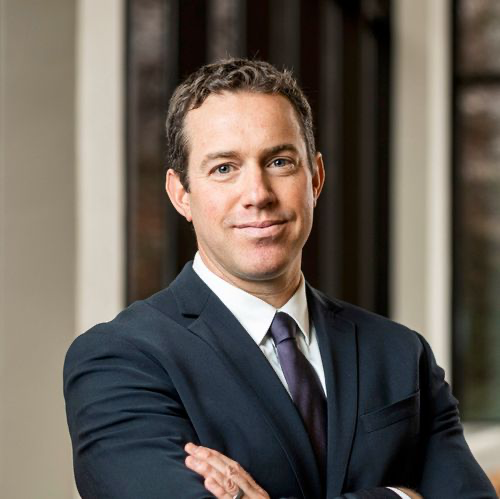
Clark D. Asay
Associate Dean for Research and Academic Affairs
Brigham Young University, J. Reuben Clark Law School
Clark D. Asay is the Associate Dean for Research and Academic Affairs and Terry Crapo Professor of Law at Brigham Young University’s J. Reuben Clark Law School. His research and teaching interests focus on intellectual property law, technology, and innovation.

Recent Articles by Clark D. Asay
Software Keeps Eating the World—But the Right to Repair Doesn’t Have to Go with It
When a farmer buys a tractor that costs a small fortune, who owns it? The instinctive answer is the farmer. And if he owns the tractor, certainly he has the right to fix it, right? Like most things in life, it’s not that simple. Modern equipment runs on software and other technologies that still belong, legally, to the company that built the machine. The manufacturer retains intellectual property rights in the equipment even after selling it, and those rights can get in the way of the farmer fixing his own machine. Both sides own something. Neither owns everything.
Copyright Is Supposed to Help Creators: But Only the Rich Can Afford It
When the framers made provision for copyright law in the U.S. Constitution, they probably didn’t envision a system that favors the wealthy. Yet today, that’s what we’ve got. High litigation costs and slow-moving courts have turned copyright enforcement into a luxury good. Unless you’re sitting on a pile of cash, your rights are often fool’s gold.