
![[IPWatchdog Logo]](https://ipwatchdog.com/wp-content/themes/IPWatchdog%20-%202023/assets/images/temp/logo-small@2x.png)
Patent Practice Training: An Intro to Patent Prosecution
Having a license to practice is just the beginning. Let Gene Quinn teach you how to actually practice!
Patent Practice Training On-Demand
Patent Practice Training On-DemandOur current On-Demand course was recorded over 6 weeks between July 15, 2024, through August 19, 2024. Includes 24 hours of instruction and 6 months access to the Invent + Patent Provisional Patent Application Drafting System. |
$1,895 |
 |
Comprehensive Training
 You’ve passed the patent bar exam. Now what? Having a license to practice is just the beginning. What you need is a bridge between passing the patent bar and representing clients.
Increasingly, firms are not providing training, and many firms are not even hiring unless practitioners have experience. That means new practitioners are often left to their own devices as they seek experience in the first few years after passing the patent bar examination.
This is why Gene Quinn, the founder of IPWatchdog.com, designed the Patent Practice Training course. This course, offered since 2018, has taught hundreds of patent practitioners how to hit the ground running in the profession. At the end of this course students should have a strong grasp on the day to day basics of patent practice, and a catalogue of examples and templates to draw upon for a variety of the most common and likely occurrences that real life will throw at a patent practitioner.
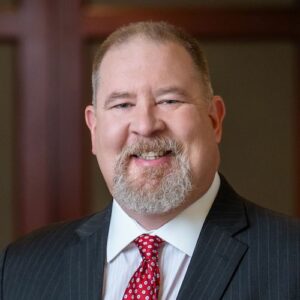
Gene Quinn
This course is primarily designed for those who have already passed the U.S. patent bar exam, and we will assume a level of knowledge commensurate with having passed the exam. This course is ideal for those patent practitioners with less than three years of experience prosecuting patent applications, professionals needing procedural knowledge on the day to day process for filing and obtaining patents, and law students having already taken patent courses and having had at least some clinical experience. Exceptions will be made for professionals having familiarity with U.S. patent law and rules of practice on a case-by-case basis.
Topics Covered
The Client Relationship: (1) Initial communications with potential clients; (2) Confidentiality owed to clients and prospective clients; (3) Initial discussions about the invention and advice about patents; (4) Knowing your limitations (legal and technical); (5) Managing expectations; (6) Representation agreements; (7) Client trust accounts and accepting a retainer; and (8) Ending a representation relationship.
Becoming a Rainmaker: (1) Realizing you are not a commodity; (2) Understanding the role of expertise, reputation, and personality; (3) The role of familiarity and trust; (4) Making mistakes in the minors; (5) Don’t try to be all things to all people; (6) Networking now and often; (7) If you are too busy to market you are dead weight; and (8) A rainmaking recipe for disaster.
Evaluating a Patent Search: (1) Patent search vs. Google search vs. Product search; (2) Pros/cons of using online sources for patent searching; (3) Preliminary patent searches; (4) How to work with a professional patent search firm; (5) Reviewing a professional patent search report; and (6) Using file histories to help refine and formulate your opinion.
Patentability Opinion Letters: (1) Defining the invention searched. (2) How detailed will you be? (3) What advice will you give? (4) Will you ever say no? (5) What insights can you provide based on the search done? (6) Completing the project and communicating with the client, and (7) Quoting future work.
Representation: (1) Power of Attorney; (2) Acting in a Representative Capacity; (3) Revocation and Withdrawal; (4) Customer Number; and (5) Unavailability of inventor.
Types of Patent Applications: (1) Continuation and divisional applications; (2) Provisional patent applications; (3) Design patent applications; (4) PCT basics; and (5) RCEs.
A Prelude to Writing the Application: (1) Identifying the invention, as well as potential variations, alternatives, and workarounds; (2) Importance of filing a provisional patent application in a first to file system; (3) Scheduling work and informing the client; and (4) Working with patent illustrators.
The Detailed Description of the Invention: (1) Hitting the happy medium between specific and nuance while maintaining proper breadth; (2) Breaking down Skeleton Bones (i.e., hip bone connected to the thigh bone); and (3) Working with drawings.
Specification Drafting: (1) Defining the invention completely with alternatives and variations and with particular care to identify the improvements that will contribute to patentability; (2) Not confusing breadth with depth; (3) Avoiding the use of patent profanity without outsmarting yourself; (4) Avoiding common mistakes that will unnecessarily limit the scope of protection; and (5) Describing what matters and not sounding like an infomercial.
Drafting Software Patent Applications: (1) Uncertainty is where patentability resides; (2) The continuing relevance of State Street; and (3) Different perspectives of the software that must be described.
Claim Drafting 101: Basic claim drafting basics, focusing on techniques for a variety of different types of claims, including devices, methods, means plus function, and systems claims.
Filing Basics: (1) Filing papers with the USPTO; (2) Depositing correspondence; (3) Completeness of the original application; (4) Large Entity vs. Small Entity vs. Micro Entity; (5) Postal service interruptions and emergencies; (6) Patent Center Basics; and (7) Claiming priority.
Getting to Substantive Examination: (1) Application Data Sheet; (2) Oath/Declaration; (3) Making a priority claim; (4) Filing an Information Disclosure Statement (IDS); and (5) Fixing common mistakes at the time of filing; (6) Filing a Preliminary Amendment; and (7) Responding to a Restriction Requirement.
Prosecution Basics: (1) Reviewing an Office Action; (2) Reporting an Office Action to a client; (3) Responding to the First Office Action on the Merits; (4) Using an interview with an examiner prior to responding to the First Office Action; (5) Amendment Writing; (6) Due dates and extensions of time; and (7) Petitions.
Advanced Prosecution Topics: (1) Ombudsman; (2) Prioritized Examination (aka Track One); (3) Patent Prosecution Highway; (4) Prosecution history disclaimer vs. Prosecution history estoppel; (5) Fixing problems before and after a Notice of Allowance; (6) QPIDS; (7) Ex parte Quayle responses; (8) Notice of Appeal; and (9) Issue.
The Law: What you need to understand to successfully write and prosecute patent applications: — 35 U.S.C. 101, 102, 103, and 112. We will also discuss recent USPTO guidance and memos, including (1) Obviousness guidance; (2) Means-plus-function memo to examiners; (3) Artificial Intelligence; and (4) Using AI tools.
Effectively Responding to Office Actions: (1) Effectively and persuasively arguing 101, 102, 103, and 112 rejections in response to an Office Action; (2) Learning what to say and how to say it to maximum effect with the least consequence.
Examples: (1) An examination of specifications and claims for a variety of different types of inventions, including methods, compounds, devices and software; and (2) A detailed review of specific inventions (i.e., methods, compounds, devices and software) as they were filed at the patent office and amended throughout examination to ultimately achieve a Notice of Allowance.
Payment Option
 |
PayPal offers a 6 month, no interest payment option. Please click the PayPal Credit image to learn more and apply. Once you have set up your PayPal account, and have gotten PayPal Credit approval, please email [email protected] and we will send you an invoice for the course of your choice via PayPal. |
Testimonials from Former Students
“I took this course because I know what Gene produces, and there is, hands down, no better place to go for the best IP learning, no matter where you are in your career. I’ve been in IP for 30 years – but I want to be on the cutting edge of current topics. Even in the context of an intro course, Gene gets you current on all the important issues. Moreover, this course is ideal for those just getting into the business. It fills the gap between the patent bar and competently moving forward with your practice. I’ve led large in-house IP teams most of my career. I wanted to see how this course might serve as that additional training that the new people could really benefit from. To all of you IP team leaders, in-house or partners in private practice – save yourself months of mentoring time by getting your new people to this course now! It will pay for itself instantly! Thanks, Gene!”
-Aaron Bernstein, Bernstein IP Consulting, formerly VP, Chief Patent Counsel, Symbol Technologies; VP IP Licensing & Litigation, Zebra Technologies.
“Gene’s Patent Practice Training course has been a tremendously helpful resource of legal description and procedural material available to study and absorb for years to come. His experience and strategic thought process on each concept is a unique advantage. Renee and Gene often produce opportunities to hear from other professionals on additional facets to this practice that build on knowledge just previously gained. When it comes to the need for specific training on the complexities of prosecution and beyond, this course is very empowering. I’ve thoroughly enjoyed every bit and can assert it’s well worth the cost!”
-Cullen Williams, Orlando, Florida
“This course was fantastic… EXTREMELY informative. One thing that amazed me was how Gene puts himself in the shoes of a new patent attorney — including the anxiety that goes along with that blank computer screen — despite the fact that he’s been highly successful patent practitioner for decades now. Gene, along with his friendly and always helpful Chief Operating Officer superhero Renee, sets a heartening example of “paying it forward.” In helping the new patent attorney to appreciate the complexity and nuances of both the art and the science that is patent law, Gene and Renee go above and beyond — even going so far as to continually engage with the students even months after the course’s completion. This was well worth the expense, and for any future patent courses I’d want to take, IPWatchdog is the first place I’d look.”
-A.S., Patent Attorney, Boston
“Hands down, this was the best patent prosecution course I have ever taken. Not only was this course very informative, it was also very entertaining. For me, the most enjoyable part of the course was hearing the real life patent prosecution stories and events that these very well-seasoned instructors have experienced over the years. That was priceless!! I would highly recommend this course to any new patent professional. The material alone made this course worth every penny! “
—J Eason, Patent Attorney, San Diego, CA.
“The Patent Practice Training course takes what I found to be an extremely effective learn-by-example and learn-by-doing approach to covering the routine aspects of daily practice – working with inventors, ordering/reviewing patent searches, drafting specifications/claims, and prosecuting applications in front of the USPTO through all stages of the process. Gene also offered up invaluable insights (and entertaining, memorable anecdotes) about the general business/economics of patents and being a practitioner as well as about current events and trends in the industry. The mentoring sessions following each lecture and continuing monthly for the first year after the course were the first opportunity I had ever had to “hang out” with experienced attorneys in a low-pressure environment and learn how to think, talk, and act like one myself. This in particular was what really gave me the knowledge and confidence I needed to successfully transition from passing the patent bar (thanks in no small part to their equally excellent patent bar course) to working as an actual practitioner. I cannot thank Gene and Renée enough for their efforts to bring new practitioners into the fold, and I estimate that taking the course saved me at least two years of flailing around not knowing what to do on my own.”
—Peter Adriano DeBiase, US Patent Agent (Reg. No. 77,431), Las Vegas, NV
“I thoroughly enjoyed this course, not only for the sheer volume and quality of the learning I enjoyed, but also for the personally-focused attention I received, not only from Gene, but also from Renée, who ensured the course ran like a well-oiled machine. In his own amiable, relaxed and humorous way, Gene walked me through all aspects of practical practice, to client intake, evaluating a patent search, drafting provisional and nonprovisional applications, claim-drafting, and responding to virtually every Office Action imaginable – in all cases, I felt like they had “been there, done that” and knew exactly what they were talking about. More importantly, they were able to get me to understand how to walk-the-walk of a reasonably-seasoned patent attorney, as well – without having to endure the painful missteps and pitfalls associated with experiencing the same either as a solo practitioner or as a “newbie” in a big firm: They covered the gamut of likely practice errors and how to avoid them. Simply put, I can’t say enough good things about the course: It’s money well-spent!“
—Jack Stuart, Martensen IP, Colorado Springs, CO
“I got more than my money’s worth. Gene’s patent bar course is the gold standard of preparing to pass the patent bar exam. I feel that this course will become the gold standard for moving people from the patent bar into actual practice. The work that we are expected to do can be scary: money is on the line, the job is difficult, and things can rapidly go wrong if things are not done correctly. This course provides a format that demystifies and familiarizes a participant with all of the things that are needed to practice. This removes a great deal of the fear involved. Just as in the patent bar, there is a lot of work that a person will need to do outside of the course, but Gene provides the guidance of where to focus that effort. The course book and the live tutorials are alone worth the price of the course. I use my materials daily and will use them for a long time to come.”
—Jordan Michael Bauman, PhD, American and Norwegian Patent Agent, Norway
“Gene has done for patent practice training what he has done for taking the patent bar exam: he breaks down the essentials; provides on-point and clear materials; and directs you through the meat and bones of patent practice. After taking the course, I now feel I can begin patent practice with the skills and confidence I need (and did not have) after passing the patent bar. The live format, I felt, was invaluable. Unlike static training videos, the live format engages you. Your questions are answered, and you work through the materials as if you were there in-person with them, getting expert advice. I cannot overstate how much more effective I found this format. The materials will be referenced for many years, and I now look forward to taking these skills out to the greater world of patent practice.”
— Michael M., Colorado
“As a newly minted patent agent, this course is a must have! The course is packed with useful tips and strategies, not to mention an invaluable collection of templates, claim exercises and six months access to the Invent plus Patent software. This is the second course I have taken with Gene and simply put, they are the gold standard with respect to patent related education.”
— Chris Cappy, Registered Patent Agent, Reg. # 76204
“I thoroughly enjoy taking this on-line course which covers all areas of patent practicing. One thing impresses me is that the course was not a recording, but a live format. Signing in through Go-to-meeting, I joined the video conference with Gene . I had the live videos presented on my screen which made me feel like they were sitting in a same classroom with me and talking to me so that I concentrated on the course better. Moreover, there was a Q&A section at the end of every class. Gene took the time to answer all participants’ questions that were both related to the course and the issues we met in our real work… Over the duration of the course, I have gained a lot of knowledge and practical strategies that are helpful to my daily work. It is great to take this course.”
— Claire, Toronto CA
“I had taken a patent bar course from Gene and I enjoyed it. This course was even better, combining patent law fundamentals with their years of practical prosecution experience. I especially liked the abridged MPEP they made, which will be a huge time-saver, and the Q&A at the end of each day.”
—Craig L., San Jose
“The registration exam was tough, but launching into the IP world as a solo patent practitioner has been a real challenge. The Patent Practice Course has really helped me with my business. Notably, I have been able to refine my approach to prior art searches, write better claims, use USPTO E-forms, and how to let people in my community know about me and the patent services I offer. Gene shared stories about securing patents, and working successfully with clients, and went on to assure us that we can do that too. I recommend the class. It is well worth the time and tuition.”
—K, Patent Attorney, Texas
“Taking the “Patent Practice Training” course was very useful for a new patent agent like me. Studying for the patent bar exam provided knowledge of the law but not enough information about the important aspects of filing an actual application, drafting claims and preparing responses to office actions. I especially enjoyed learning about the Federal Circuit case outcomes and new case law in the course. The workshops were interesting and hands-on. The explanations provided using actual pertinent patents were useful in developing an understanding of concepts. Most importantly, Gene patiently answered the questions at each lesson. I learned a lot in this course and encourage others to consider taking it as well. ”
—M.K., Patent Agent, Texas