
![[IPWatchdog Logo]](https://ipwatchdog.com/wp-content/themes/IPWatchdog%20-%202023/assets/images/temp/logo-small@2x.png)
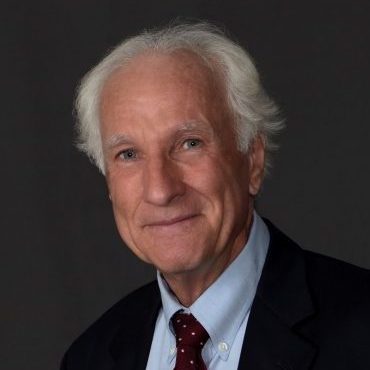
Joseph Allen
Executive Director
Bayh-Dole Coalition
Joe Allen served on the U.S. Senate Judiciary Committee for Senator Birch Bayh (D-IN) securing passage of the Bayh-Dole Act which fostered R&D partnerships between universities and U.S. industry. The Economist Technology Quarterly called this law “possibly the most inspired piece of legislation to be enacted in America over the past half century.” On leaving the Senate staff, Joe was Executive Director of Intellectual Property Owners, Inc. (IPO) where he worked to create the Court of Appeals for the Federal Circuit before going to the U.S. Department of Commerce where he became the Director of the Office of Technology Commercialization. He was instrumental in the passage of major laws allowing U.S. industry to perform joint R&D with federal laboratories. Allen’s office oversaw Executive branch implementation of the Bayh-Dole and Federal Technology Transfer Acts and related presidential policy directives. He helped negotiate intellectual property rights provisions for major international science and technology agreements.
Joe then became President of the National Technology Transfer Center established by Congress to promote industry/federal laboratory R&D partnerships. He is now the Executive Director of the Bayh-Dole Coalition, a non-profit organization composed of universities, companies, venture capitalists, entrepreneurs and others who are committed to celebrating and protecting the landmark law. Joe writes a monthly column for IPWatchdog on Bayh-Dole related issues.

Recent Articles by Joseph Allen
Secretary Lutnick’s Royalty Grab: Bad for America—and the Administration
Commerce Secretary Howard Lutnick is urging the White House to turn a proposal he floated into an Executive Order that would weaken the economy and cost the government tens of billions of dollars in foregone tax revenue. It’s bad policy, and even worse politically. The Trump Administration would be wise to reject it. Secretary Lutnick is convinced that the government is being short-changed when academic institutions make patentable inventions under federal grants, which are primarily licensed to entrepreneurial small companies that take great risk and expense to turn them into real-world products. The Secretary wants the government to seize 50% of the royalties that universities receive when resulting products are sold—sales that bolster our economy while promoting public well-being.
Trump Administration Adopts Innovation-Killing Biden NIH Licensing Guidelines
To say that we live in strange times doesn’t do justice to the absurdity of these days. Just as Secretary of Commerce Howard Lutnick was saying that the government should seize 50% of academic royalties resulting from licensing federally funded inventions because otherwise the feds get “zero” return, the Administration adopted Biden Administration guidelines that imperil the most successful patent licensing agency.
Government Taking a Cut of University Royalties Would Threaten Bayh-Dole’s ROI
Yesterday, Secretary of Commerce Howard Lutnick dropped a bombshell when asked by Axios about the next target after the government’s deals giving it 15% of Nvidia’s revenue from AI chips sold to China and plans to take a stake in U.S. Steel, which he said will be universities. While that might sound appealing on the surface, if put into practice, it’s much more likely to shoot American innovation in the foot than to create a promising source of government revenue.
The Department of Energy’s Technology Giveaway
Throughout the almost 50-year history of the Bayh-Dole Act, which decentralized patent ownership and management from the Washington bureaucracy into the hands of the academic research institutions, small companies and federal laboratories making the discoveries, one thing has remained consistent: the Department of Energy (DOE) resisted every step of the way.
The Biden Administration Rolls the Dice on NIH Patent Licensing
On its way out the door, the Biden Administration just released new guidelines for those seeking to license inventions made at the National Institutes of Health (NIH) that could lead to new “drugs, biologics (including vaccines) or devices for the prevention, diagnosis or treatment of human disease.” The administration has claimed this is being done “to expand patient access to products that emerge from NIH-owned inventions.” The guidelines apply to all licenses, exclusive and non-exclusive.

Upcoming Events with Joseph Allen
IPWatchdog LIVE 2026
March 22-24, 2026