
![[IPWatchdog Logo]](https://ipwatchdog.com/wp-content/themes/IPWatchdog%20-%202023/assets/images/temp/logo-small@2x.png)
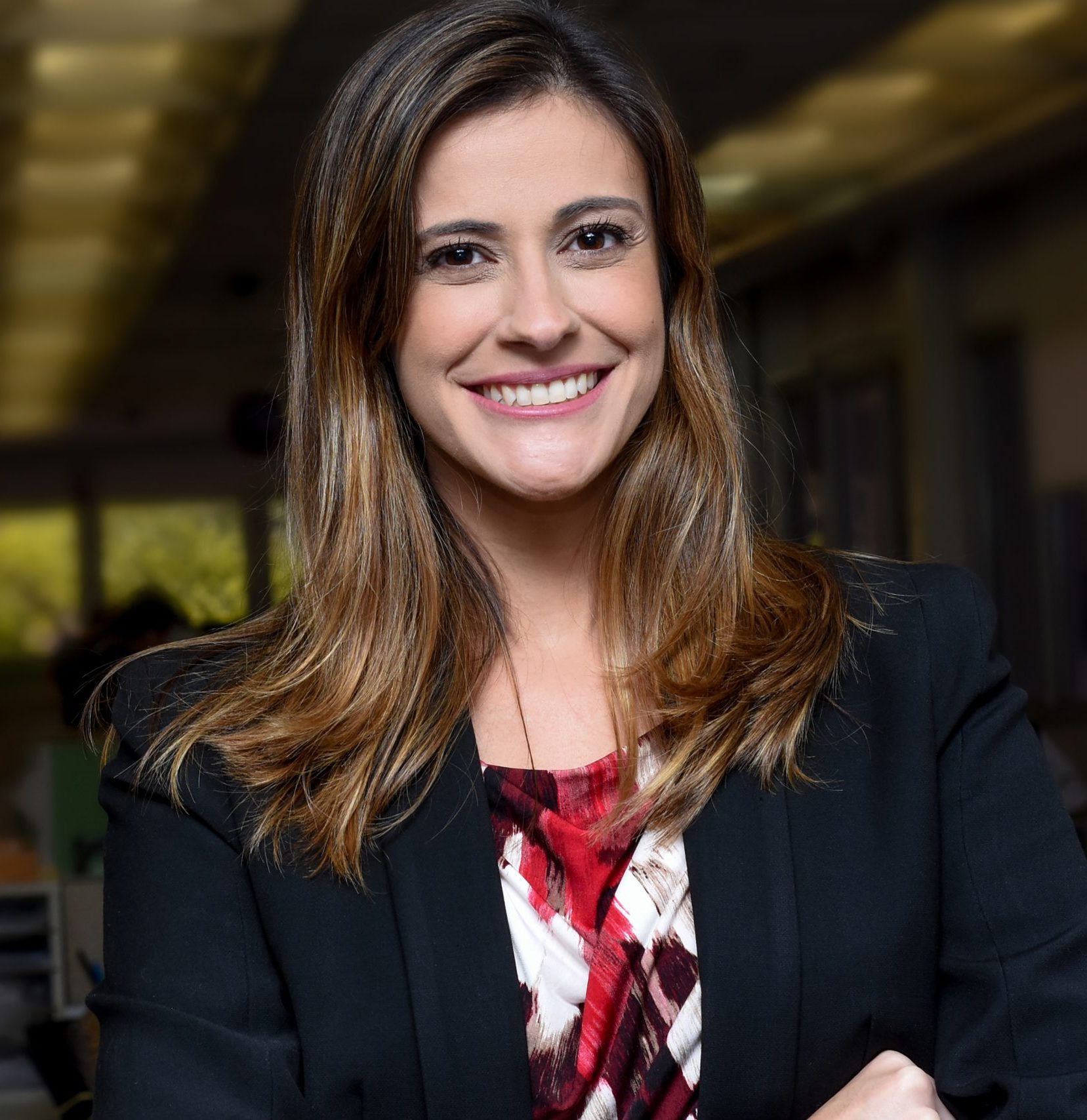
Kene Gallois
Head of the Chemical & Life Sciences Group
Daniel Law
Kene Gallois is Head of the Chemical & Life Sciences Group at Daniel Law. Kene has more than 10 years experience in the field of Biological Sciences. She graduated from the Fluminense Federal University (UFF) and has a Master’s Degree from the Oswaldo Cruz Foundation (Fiocruz) in Cellular and Molecular Biology. She began her career working in research projects in Pathology, Immunology and Pharmacology and has been working with patents in the areas of Biotechnology, Pharmacy, Chemistry, Agriculture, Food and Cosmetics since 2009, providing specialized counseling to clients.

Recent Articles by Kene Gallois
It is not news that cannabis-based medicines have been used for millennia around the world in the treatment of conditions and diseases such as chronic pain; epilepsy; neuropsychiatric disorders; nausea and vomiting related to chemotherapy; symptoms associated with autistic spectrum disorder; amyotrophic lateral sclerosis; rheumatoid arthritis, among others. However, this topic has been the subject of recent discussions due to the progressive dissemination of scientific data proving the efficacy and safety of their uses. New scientific research and clinical studies are expected, not to mention the revision/alteration of legislation in some countries so that the cultivation, production, commercialization and use of cannabis-based medicines becomes more viable and comprehensive.
There is no doubt that it is a challenge to design a patent protection strategy for a new medical use (for example, a new disease to be treated or prevented by a known composition, active ingredient or biological). The proper format for claiming such subject matter may vary significantly between patent jurisdictions. In Brazil, besides the accepted format, there are other points that deserve attention in terms of increasing the chances of success in obtaining a patent, such as the need to present experimental data in medical use patent applications in order to meet the sufficiency of disclosure requirements.