Agenda
Subject to change. CLE panels are designated by an asterisk after the panel title.
Monday, Jun 8, 2026
10:30 AM ET
The Patent Landscape in 2026: Forces, Friction, and Strategic Consequences *
This panel conversation will provide a strategic briefing about what has actually changed—and what those changes mean in practice. The discussion will examine evolving practices inside the USPTO, emerging dynamics at the PTAB, doctrinal trends at the Federal Circuit, changing litigation economics in the district courts, the continuing role of the ITC as an enforcement forum, and what—if anything—Congress is likely to do.
 András Jókúti
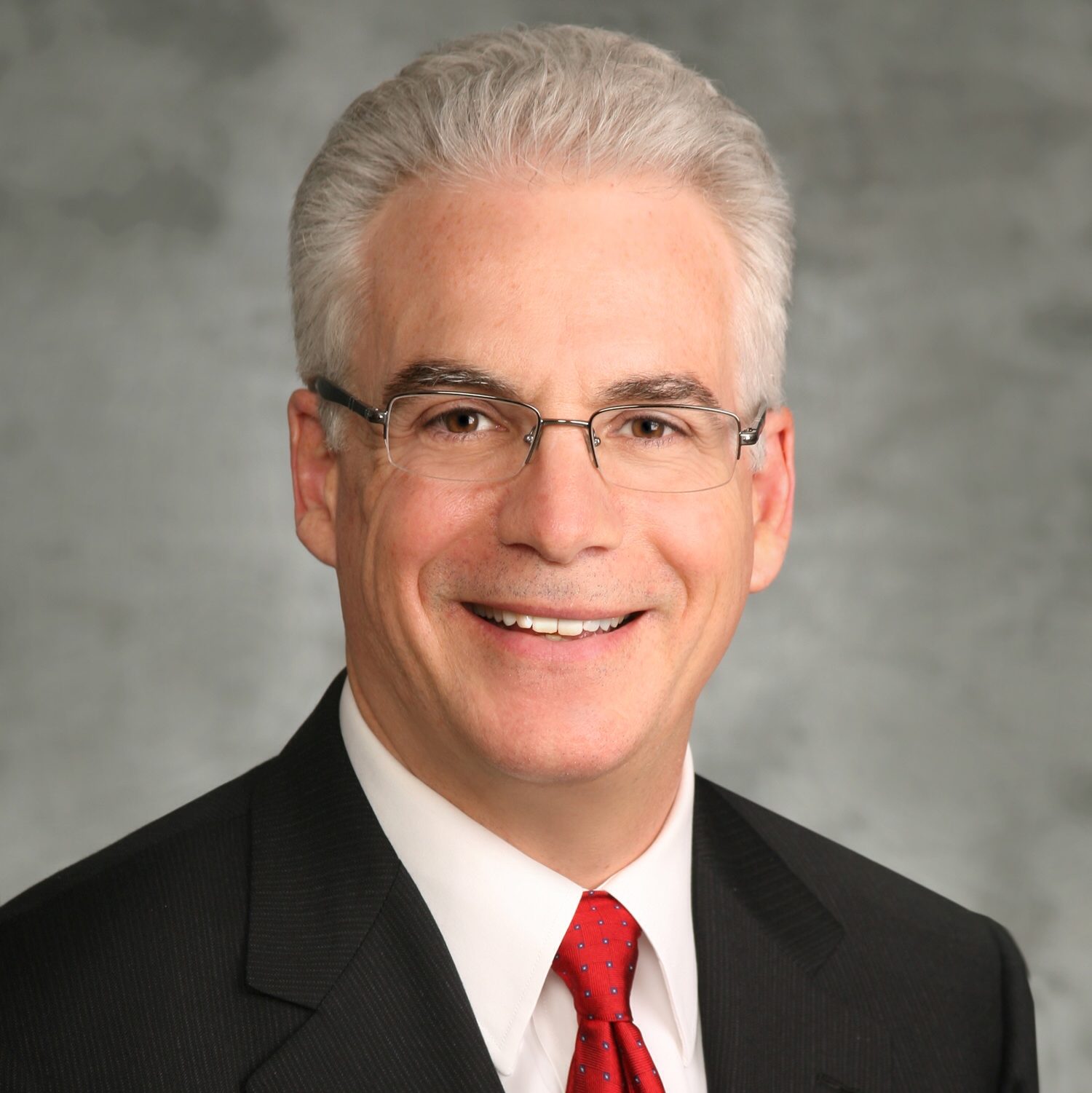 Brian O’Shaughnessy
 Hon. Peter-Anthony Pappas
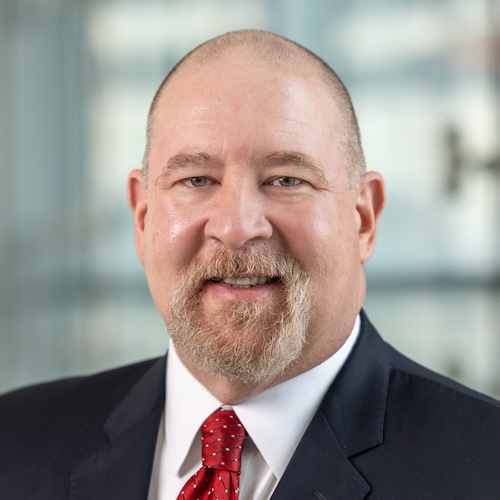 Gene Quinn
12:00 PM ET
Turning Innovation into Assets: Building a Scalable IP Pipeline *
R&D investment does not create value on its own. Value is realized only when organizations systematically identify, evaluate, and convert technical work into durable intellectual property aligned with business strategy. Panelists will begin by examining how leading organizations operationalize invention harvesting as a core business process. We will then take the next step and tackle the critical downstream decision about how to choose the right protection strategy to convert the identified potential IP assets into actual IP assets that have a value.
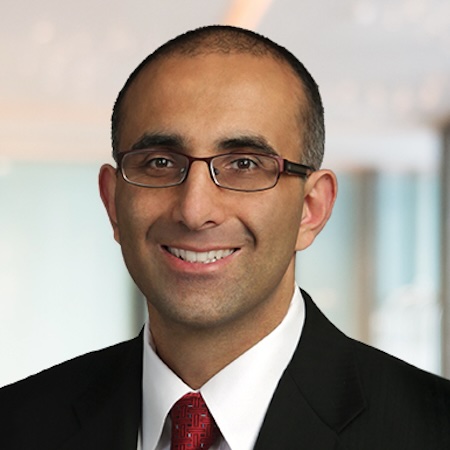 Arash Behravesh
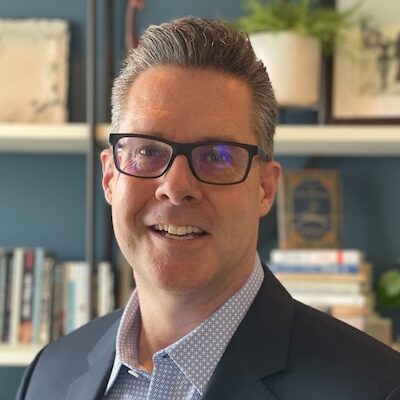 Tom Holsten
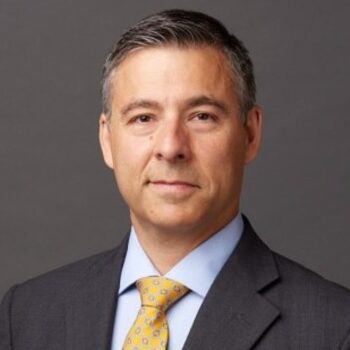 Matt Marrone
 Stephen Valancius
2:00 PM ET
The AI Pricing Illusion: Commodity Patents vs. Strategic Assets *
If AI enhances quality but does not proportionally reduce cost, where is the value created—and who captures it? This panel will confront that tension directly. Panelists will distinguish between theoretical efficiency gains and measurable cost savings, and examine whether “shared savings” models reflect economic reality or wishful thinking. The discussion will explore how pricing expectations are evolving, how law firms are adapting their economic models, and how in-house teams are evaluating value in an environment where the cost of production is increasingly opaque.
 Ratib Ali, Ph.D.
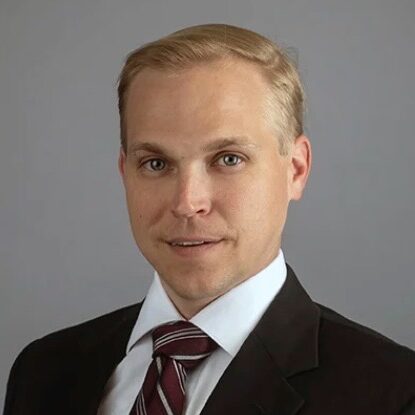 Ross Flynt
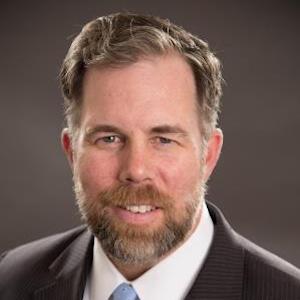 Patrick Kilbride
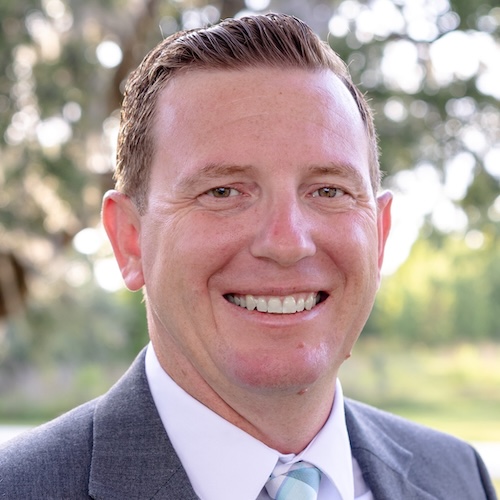 John Rogitz
3:30 PM ET
Building Transaction-Ready Patents: Quality, Structure, and Strategic Fit *
Panelists will explore how to draft and prosecute patents that are transaction-ready from inception. Topics will include aligning claims with identifiable revenue streams, building specifications that support durable claim scope, structuring continuation strategies to preserve flexibility without creating estoppel or laches exposure, and managing prosecution statements to avoid impairing future damages theories. The discussion will also address how to coordinate global filings to maximize enforcement leverage and how to avoid defects that routinely surface during diligence.
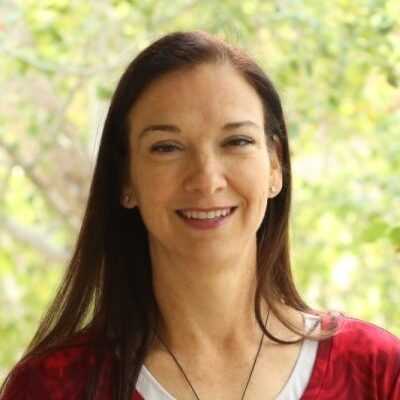 Jennifer Brinkerhoff
 Shawn Gorman
 Louisa Salomon
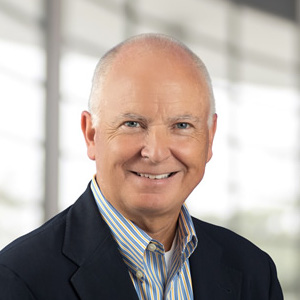 John White
5:00 PM ET
Patent Portfolio Triage: Killing Zombie Patents & Enforcing Discipline *
The problem is often acute—zombie patents that are functionally dead still drain resources long past their useful life. The result is a portfolio that is large on paper but thin in terms of strategic relevance. The goal of this session is to provide a clear, execution-ready framework for turning patent portfolios into managed assets that support business objectives, rather than cost centers that persist by default.
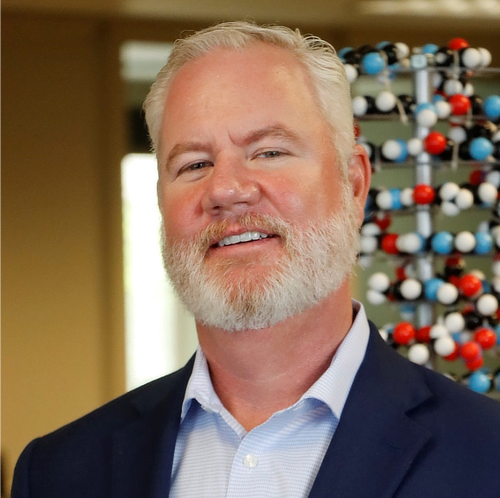 Brent R. Bellows, Ph.D.
 Dan Carter
 Bennett David
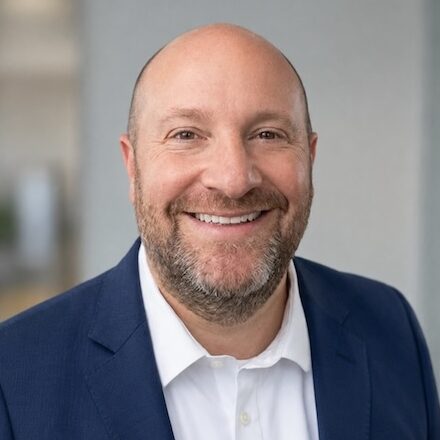 Gary Lobel
6:00 PM ET
Cocktail Reception
Join us from 6:00pm to 8:00pm to network over beer, wine, cocktails and hors d’oeuvres.
Tuesday, Jun 9, 2026
9:00 AM ET
Allowance Strategies That Move the Needle with Examiners *
This panel takes the next steps beyond exercising financial discipline in pursuit of valuable, high-quality assets. Our conversation now moves into prosecution tactics that will increase allowance rates and improve outcomes. We will deliver a pragmatic discussion of examiner data, institutional pressures, and decision-making patterns. Panelists will distinguish between tactical wins on a single case and scalable strategies that improve allowance rates across an entire portfolio.
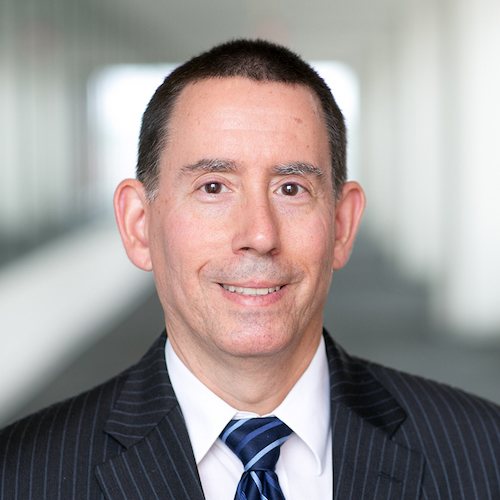 Robert Bahr
Brent R. Bellows, Ph.D.
Robert Bahr
Brent R. Bellows, Ph.D.
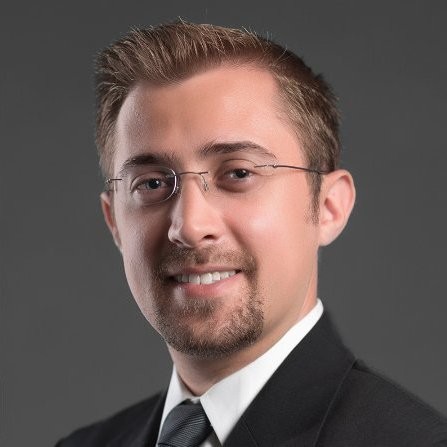 Joseph Monaghan
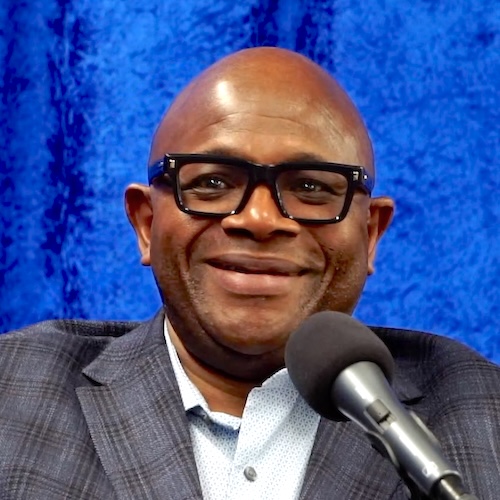 Theodore Wood
10:30 AM ET
Reconsidering Ex Parte Appeals: Best Practices, Strategy, Timing and Winning *
This panel will examine when and why applicants should consider appealing rather than continuing to cycle through amendments and RCEs. Panelists will discuss strategic decision points during prosecution, how to evaluate whether a case is appeal-ready, and how appeal practice can influence examiner behavior and portfolio outcomes. The discussion will also cover practical best practices for briefing appeals, building a persuasive record, addressing common examiner arguments, and positioning cases for success before the Board.
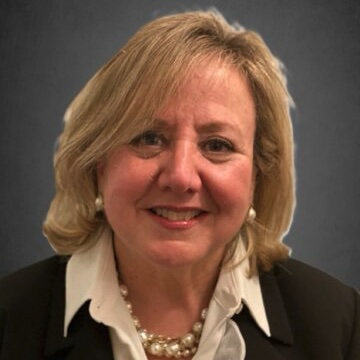 Adriene Hanlon
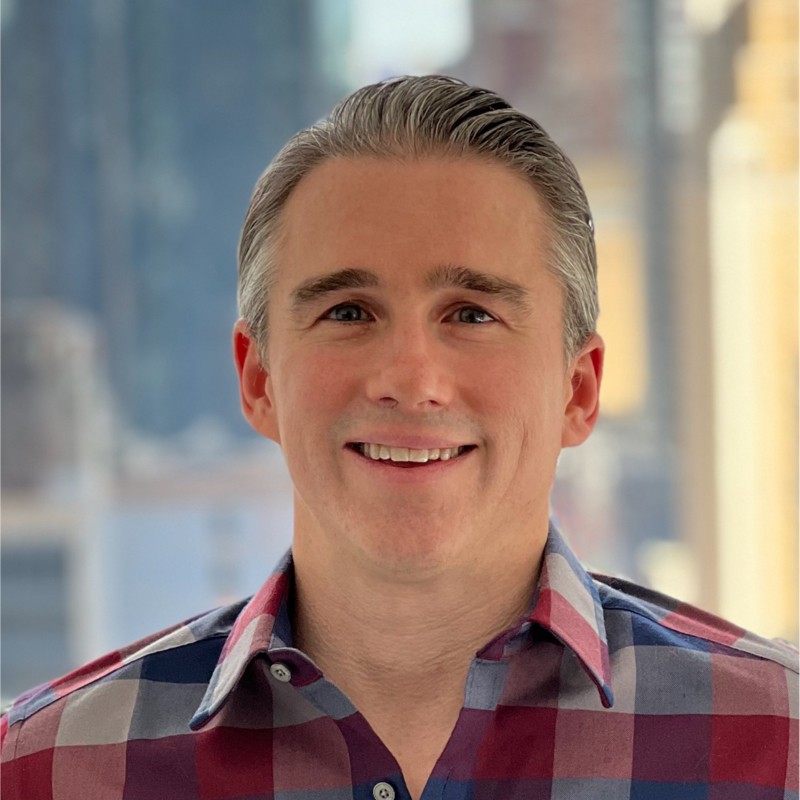 Clint Mehall
John White
Clint Mehall
John White
12:00 PM ET
Unlocking Patent Portfolio Value: Preparing Revenue-Ready Assets for Business Impact
Creating value does not begin with licensing or enforcement—it begins with clarity. This panel examines how organizations can transform existing portfolios from passive cost centers into actively managed strategic assets. The focus is on the foundational work required to enable downstream commercial outcomes. Panelists will explore how to impose structure through disciplined taxonomy, data normalization, and portfolio segmentation, unlocking visibility into technology coverage, ownership, and competitive positioning.
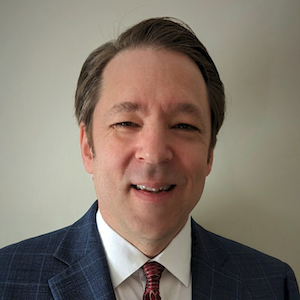 Dean Geibel
 Noel Egnatios
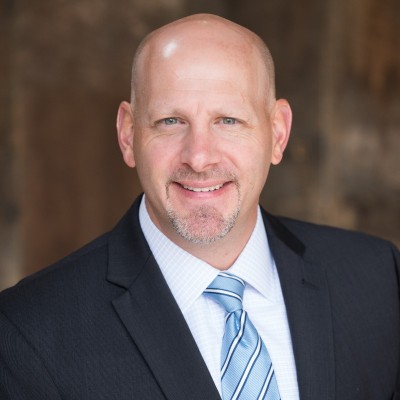 Karl Maersch
Gene Quinn
Karl Maersch
Gene Quinn
2:00 PM ET
Turning Patents into Revenue: Building Successful Enforcement-Driven Monetization Campaigns
Patent monetization does not begin with a demand letter, and it does not succeed merely because a patent owner believes its assets are valuable. A central theme of our discussion will be that while early-stage licensing resolutions are possible, they are rarely achieved through generalized assertions of value. Reaching a favorable resolution for a patent owner typically requires a well-developed enforcement strategy that demonstrates technical relevance, litigation readiness, and the ability to proceed if negotiations fail.
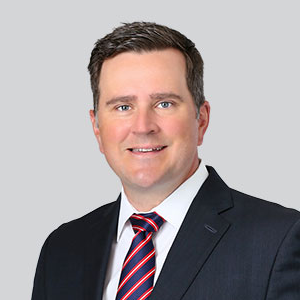 Phil Goter
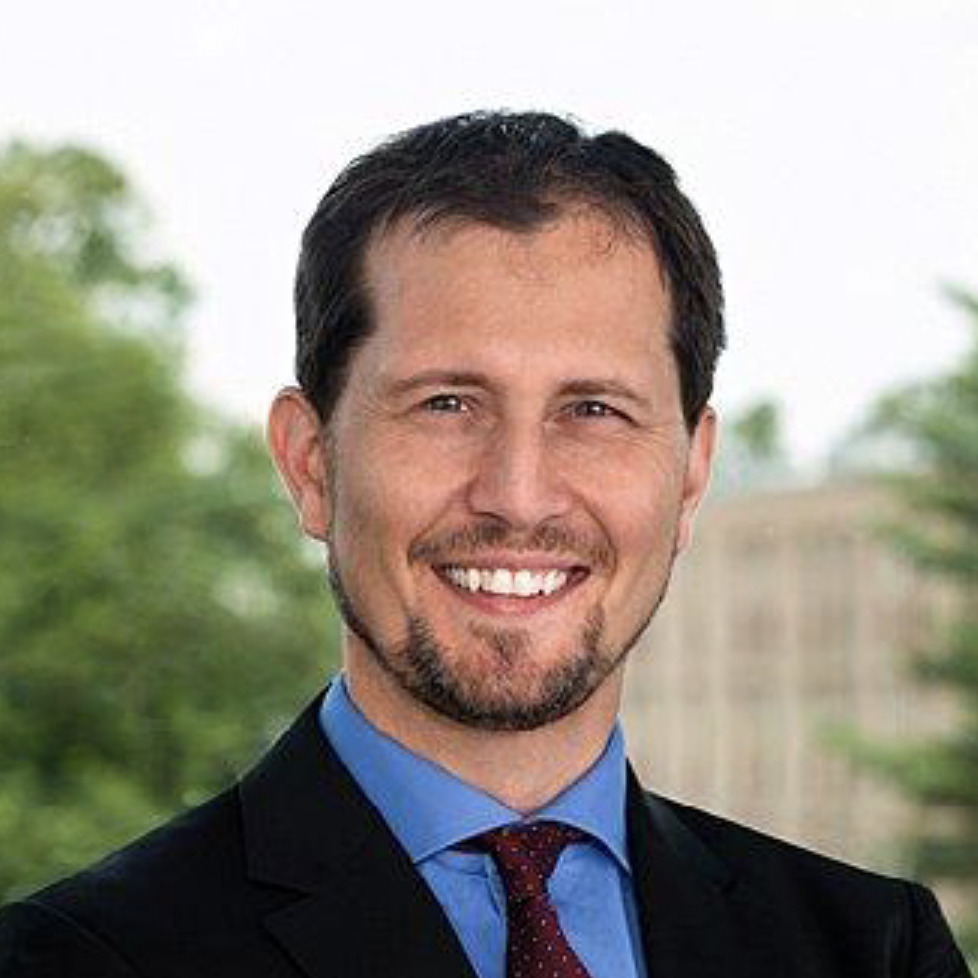 Brad Close
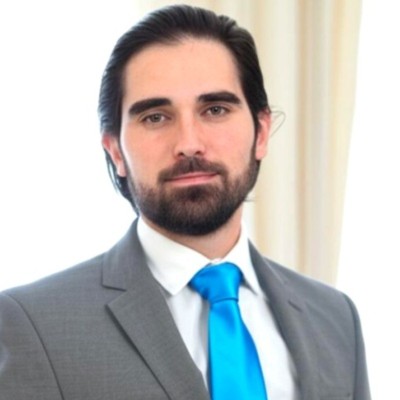 Matheus Ramalho
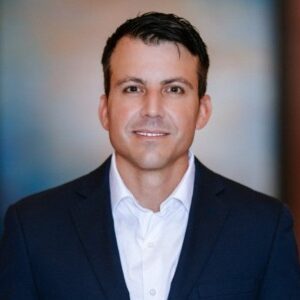 Kyle Vallecillo
3:30 PM ET
Experts, Rule 702 and the Future of Patent Damages
This panel will examine how evolving Rule 702 standards are changing the role of economic experts in patent litigation. Panelists will discuss practical implications for litigators, including how to evaluate damages theories grounded in economic science, how to prepare experts for Daubert scrutiny, and how courts are approaching issues such as causation, apportionment, license comparability, but-for pricing, and returns to research and development.
 Megan Carpenter
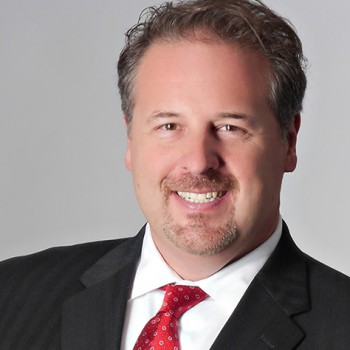 Glenn Forbis
 Mark Nelson
 Jon Putnam
5:00 PM ET
Using AI in Patent Litigation: Tools, Tactics and Risks
Artificial intelligence is no longer a novelty in patent litigation—it is quickly becoming a competitive differentiator. The real question is no longer whether to use AI, but how to deploy it in ways that drive measurable litigation advantage without creating unintended risk. Despite growing adoption, most practitioners are still operating without a clear framework for where AI delivers value, where…
 Thomas Bejin
 Eric Levi
 Shane Oka
John Rogitz
Shane Oka
John Rogitz
6:00 PM ET
Cocktail Reception
Join us from 6:00pm to 8:00pm to network over beer, wine, cocktails and hors d’oeuvres.
Wednesday, Jun 10, 2026
9:00 AM ET
Choosing the Battlefield: Forum Strategy in Patent Disputes
This panel will examine how sophisticated litigants approach venue selection in today’s environment. Panelists will explore the relative advantages and trade-offs among leading districts. The discussion will focus on the practical calculus behind filing decisions, including docket speed, likelihood of transfer, judicial tendencies on dispositive motions—particularly under Alice Corp. v. CLS Bank International—jury dynamics, and historical plaintiff success rates.
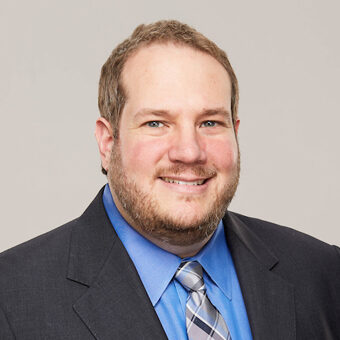 Anthony Del Monaco
 David Gosse
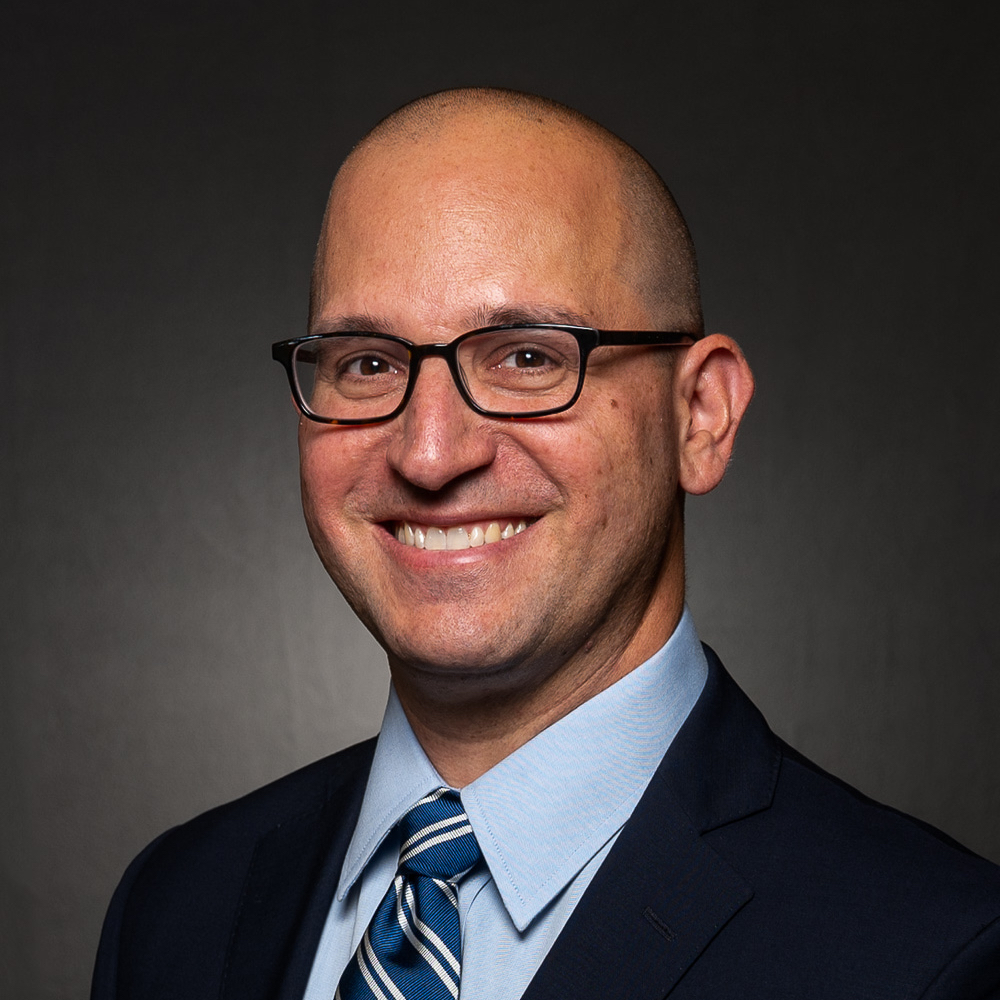 Joshua Hartman
Gene Quinn
John White
Joshua Hartman
Gene Quinn
John White
10:30 AM ET
Building the Next Patent System: A Blueprint for U.S. Innovation
This panel will move beyond narrow debates over pending legislation, individual USPTO rules packages, and the latest swings in PTAB policy. Instead, it will ask the larger structural question: if the United States were undertaking a serious modernization of patent law today—akin to the reforms embodied in the 1952 Patent Act—what should be changed? The discussion will examine the foundational legal and institutional reforms necessary to create a system that is fairer, faster, more predictable, and better suited for the 21st century innovation economy. The objective is not incremental tinkering around the edges. It is to begin defining the principles of a modern patent system that actually works for innovators, startups, universities, investors, established companies, and the public.
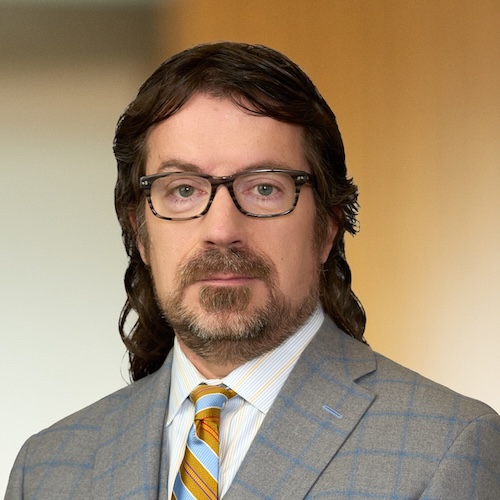 Scott McKeown
 Hon. Pauline Newman
Gene Quinn
Hon. Pauline Newman
Gene Quinn
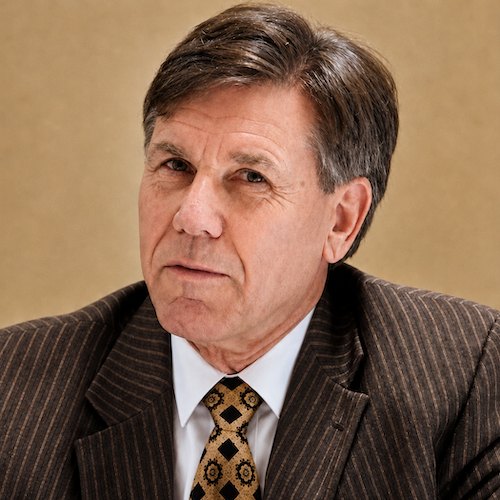 Hon. Randall R. Rader
 Colin Sandercock
John White
Colin Sandercock
John White
12:00 PM ET
Brainstorming a Better Patent System: A Roundtable Discussion
After the conclusion of Building the Next Patent System: A Blueprint for U.S. Innovation, we will hold an off-the-record conversation following Chatham House Rules. This free-flowing conversation is available to all speakers and attendees. Since it seems increasingly inevitable that all pending bills and regulations are unlikely to advance, perhaps it is time to stop trying to fit any particular…
Gene Quinn
2:00 PM ET
IPWatchdog Unleashed Live Recording
Quinn and Greenberg explore the critical sequencing of patent protection, prototyping, testing, and market validation. They discuss the value of small-batch manufacturing, proof of sales, crowdfunding, and customer feedback, as well as the risks of securing patent claims before determining whether the claimed product can actually function or be manufactured competitively. The discussion also highlights the need for coordinated input from engineers, patent counsel, manufacturers, marketing professionals, and financial decision-makers.
 Ben Greenberg
Gene Quinn
Ben Greenberg
Gene Quinn
Sponsors