Sponsored by Patsnap
Webinar: Verify, Don’t Delegate – What California’s AI Law Means for Patent Practice

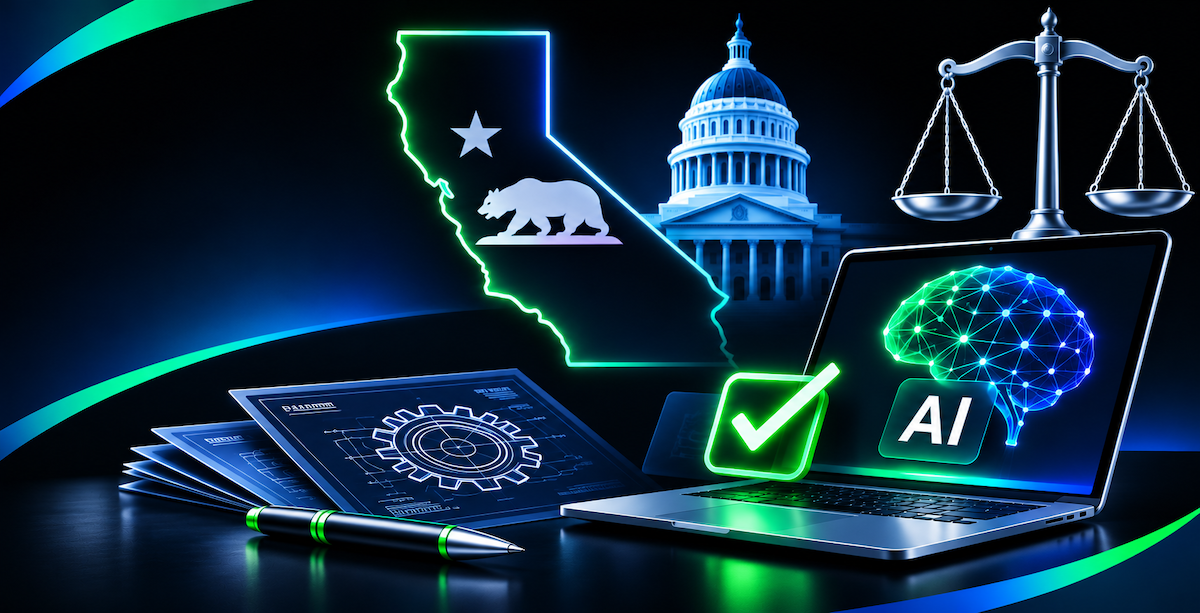
Effective January 1, 2027, California will become the first state to impose statutory requirements governing attorneys’ use of generative artificial intelligence. And without Congressional action, it seems virtually certain that other states will follow California’s lead. This raises the question about whether SB 574 will become a template, or whether multistate practitioners with differing duties and raising a new question for the patent bar: how far can state AI rules reach into daily practice before the USPTO takes similar action?
SB 574 prohibits attorneys from delegating the practice of law to AI, restricts the entry of confidential and other nonpublic information into systems without appropriate access controls, and requires attorneys to take reasonable steps to verify AI-generated output and correct erroneous or hallucinated material. The law also requires disclosure of AI use for documents submitted to a court and personal verification of every citation appearing in a court filing – whether generated by AI or not.
What does that mean for patent practice? Some provisions of SB 574 expressly govern court filings and do not map neatly onto patent prosecution before a federal agency. Others – including nondelegation, confidentiality, verification, and correction – are written broadly as duties of attorneys using generative AI in the practice of law. At the same time, the USPTO permits practitioners to use AI subject to existing duties of competence, candor, confidentiality, supervision, and signature certification. The USPTO imposes no general requirement to disclose AI use, although AI-related information may still require disclosure when material to patentability. This overlap raises difficult questions for California attorneys practicing before the USPTO, for parties appearing before the Patent Trial and Appeal Board, and for mixed teams of attorneys and registered patent agents who may perform the same work but are not regulated by SB 574 in the same way.
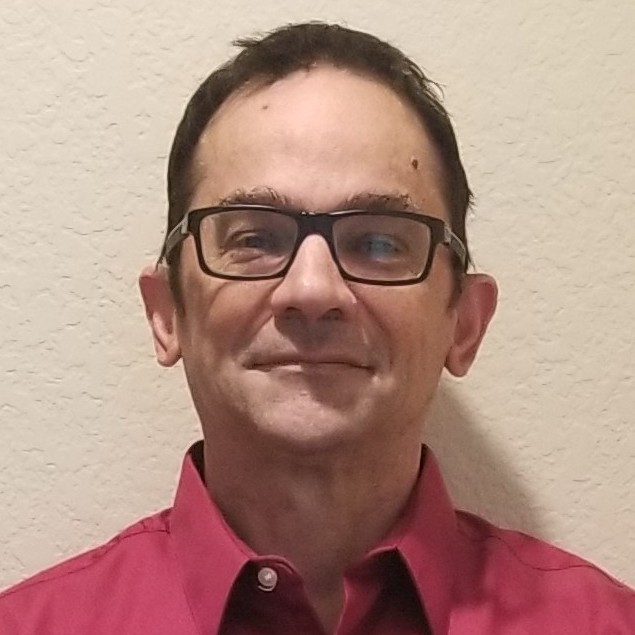
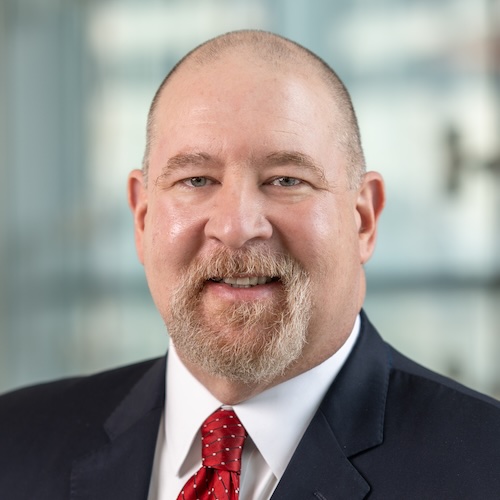
Join us on Tuesday, December 15, at 12 PM ET for a practical conversation about where SB 574 intersects with federal patent practice, which requirements clearly apply, what remains unresolved, and what law firms and in-house departments need to know before the law goes into effect on January 1, 2027. Moderated by IPWatchdog Founder and CEO Gene Quinn, the webinar will feature USPTO rules expert John White and Sivon Kalminov, Head of Intellectual Property at Canon U.S.A., Inc.
Among other things, panelists will discuss:
- Which SB 574 duties apply broadly to California attorneys, and which are specific to court submissions;
- How SB 574 interacts with USPTO rules and guidance, including existing disclosure and materiality obligations;
- How the law affects mixed teams of California attorneys, attorneys licensed elsewhere, and registered patent agents;
- What access controls and confidentiality protections should be required before sensitive invention or client information enters an AI system;
- How to build appropriate human-review, source-verification, approval, and documentation checkpoints into AI-assisted workflows; and
- What in-house departments and law firms should incorporate into AI policies, outside-counsel guidelines, and training before the law takes effect.
Attendees will leave with a clearer understanding of what SB 574 requires, what remains unresolved, and how to use AI in patent practice without surrendering professional judgment, compromising confidential information, or confusing technological assistance with the practice of law.