Agenda for Life Sciences Masters 2026

Subject to change. CLE panels are designated by an asterisk after the panel title.
Monday, Nov 9, 2026
9:35 AM ET
From Molecule to Medicine: How Biopharmaceutical Innovation Actually Happens
Rather than begin with patent doctrine or policy, this panel will start with the underlying scientific, clinical and regulatory realities of bringing a medicine from discovery to patients. Panelists will examine how innovation unfolds throughout the development lifecycle, why meaningful inventions frequently occur years after the initial discovery, and why those inventions can naturally result in later-filed patents, continuations and layered patent portfolios. By establishing how biopharmaceutical innovation actually occurs, the discussion will provide a fact-based framework for honestly evaluating criticisms of so-called “evergreening” and “patent thickets,” as well as the broader debates over patent incentives and other policies necessary to support continued medical innovation.
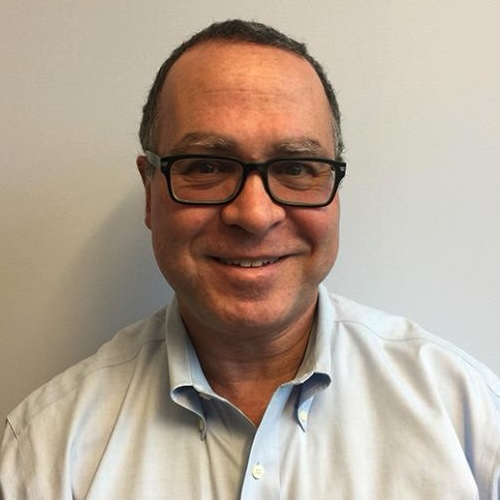 Larry Coury
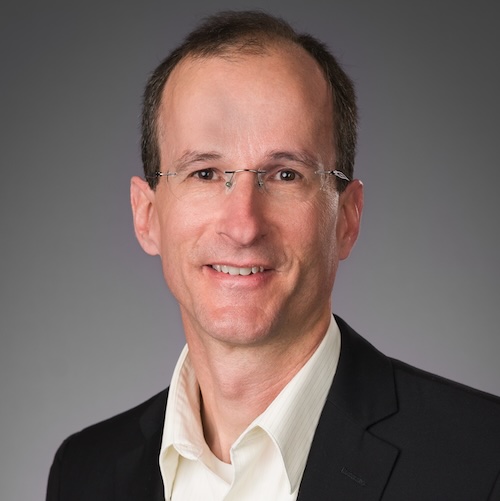 Jim Kastenmayer, Ph.D.
 Sherry Knowles
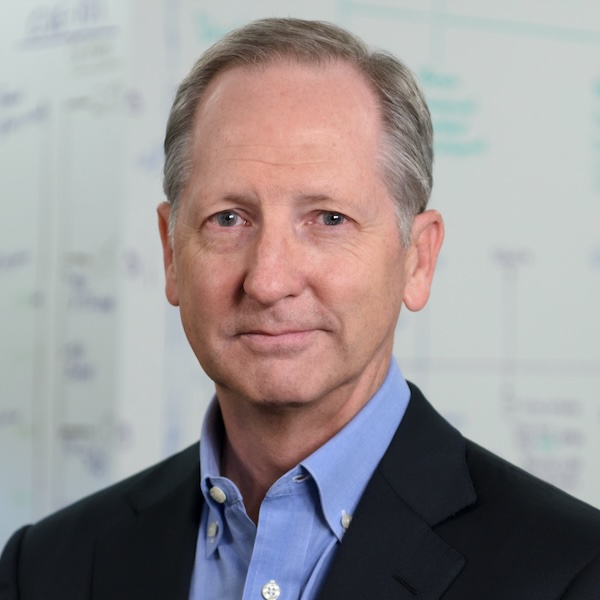 Colin Sandercock
 Gene Quinn
11:00 AM ET
Patents, Pricing, Competition and the Future of Medical Innovation
This panel will examine the increasingly complicated relationship among patents, drug pricing, competition and investment in future medicines. Panelists will discuss how policy choices influence where capital flows, whether incentives are beginning to favor certain technologies or development strategies over others, and what happens to follow-on research, new indications and other valuable innovation when the opportunity to earn a return is compressed. The discussion will focus on the larger innovation bargain: how do we promote affordability and competition today without sacrificing the treatments and cures patients will need tomorrow?
 Alden Abbott
 Ratib Ali, Ph.D.
 Christian Bauer
 Isabella Bonisolo
1:00 PM ET
The Evolving Life Sciences IP Rulebook: Tracking Congress, the USPTO and FDA
This panel will track the most consequential legislative and agency developments affecting life sciences IP, including patent eligibility for diagnostics and genetic technologies; congressional scrutiny of patent families and so-called patent thickets; skinny labels; FDA-USPTO coordination and concerns over allegedly inconsistent submissions; proposals affecting generic and biosimilar market entry; and efforts to protect valuable biological intellectual property from foreign adversaries. Panelists will separate proposals from likely changes and consider what developments life sciences companies should be watching most closely.
 Kimberly Braslow
 Joshua Kresh
 John Manchester
 Donna Meuth
2:30 PM ET
The AI Arms Race: How AI is Impacting R&D and Enabling Super-Fast Followers*
Artificial intelligence is changing the competitive dynamics of life sciences R&D. Innovators are using increasingly powerful tools to identify candidates, predict structures and interactions, analyze enormous datasets and accelerate discovery. But the same capabilities can allow competitors to move with unprecedented speed once an innovator’s research enters the public domain. Life sciences companies are already confronting concerns that AI can…
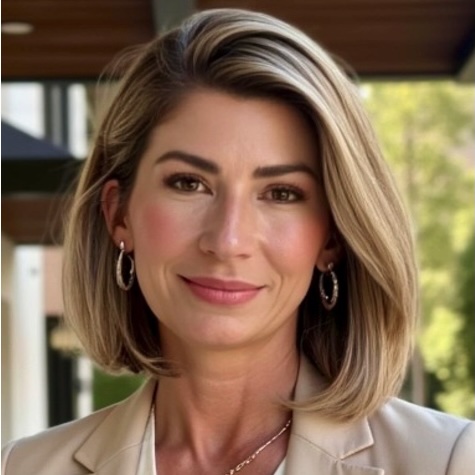 Emily Johnson
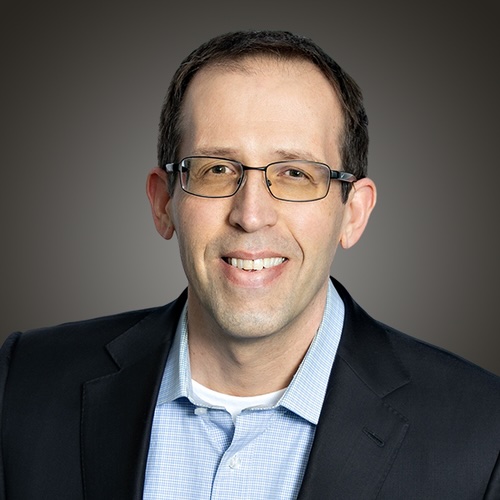 Nicholas Lanzatella, Ph.D
 Kwame Mensah
Gene Quinn
Kwame Mensah
Gene Quinn
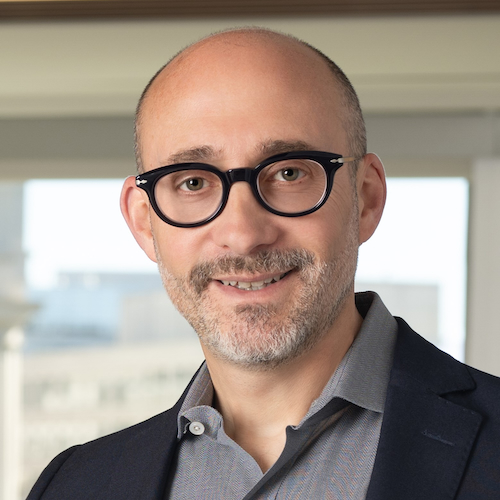 Corey Salsberg
4:00 PM ET
The Strategic Applicant: Prosecuting Life Sciences Patents for What Comes Next
When a life sciences patent application is filed, no one knows exactly what the future holds. The invention may ultimately support a blockbuster product, become central to a collaboration or licensing transaction, increase the value of an acquisition target, provide negotiating leverage, or become the patent at the center of high-stakes litigation years later. Strategic prosecution therefore requires more than…
 Sarah Fashena, Ph.D.
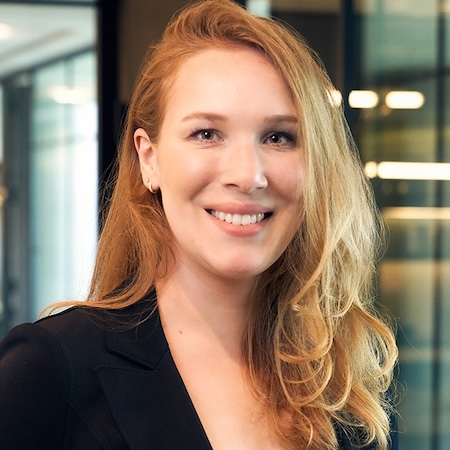 Allison Gilder, Ph.D
 Colin Heitzmann
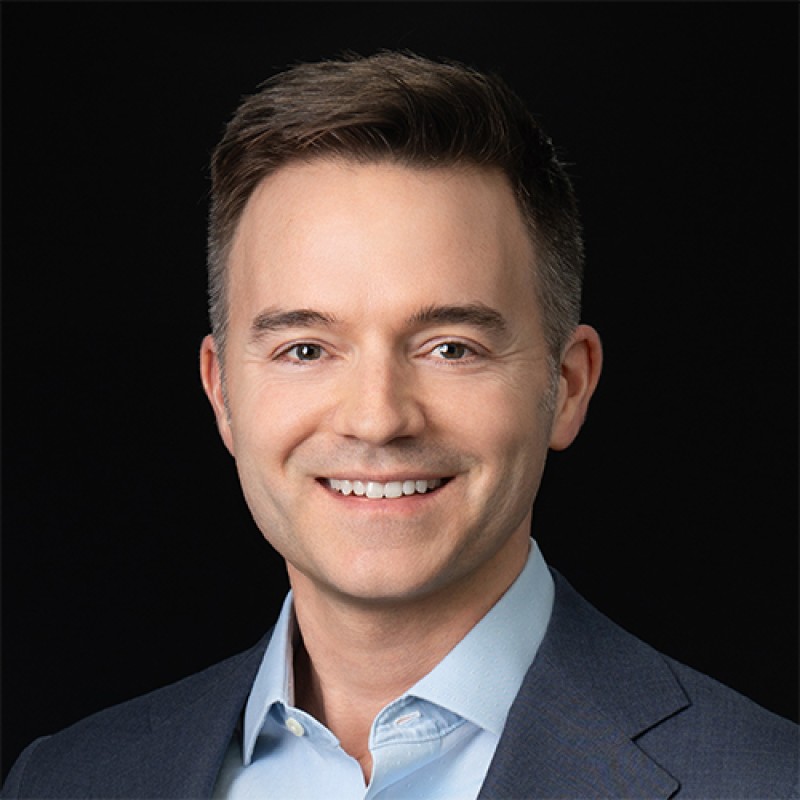 John Rearick, Ph.D.
Tuesday, Nov 10, 2026
9:35 AM ET
Before the Patent: Clinical Trials, Collaborations and the Modern Section 102 Trap
For life sciences companies, patent problems frequently begin before anyone thinks there is a patent problem. Clinical trials, research collaborations, supply relationships, licensing discussions, presentations and other ordinary activities necessary to develop and commercialize a new therapy can create prior-art questions under Section 102 before an application is ever filed. This panel will examine Section 102 in the context of…
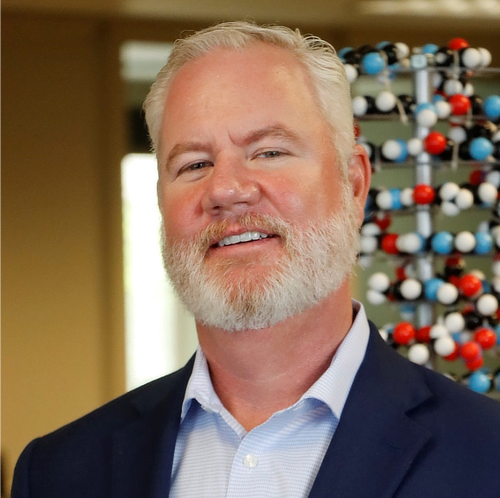 Brent R. Bellows, Ph.D.
 Matt Beyersdorf, Ph.D.
 Arthur Daemmrich, Ph.D.
 Lauren Schneider
11:00 AM ET
The Patent-Term Puzzle: Maximizing PTA and PTE Across Life Sciences Portfolios
In the life sciences, the years at the end of a patent’s life are often the most commercially valuable. Patent Term Adjustment (PTA) and Patent Term Extension (PTE) provide statutory mechanisms for recovering time lost to delays at the USPTO and during regulatory review but maximizing that term across a complex portfolio requires planning well before anyone knows which patent—or…
 Runa Shah-Qaderi
 Gautam Prakash, Ph.D.
 Anthony R. Prosser, Ph.D.
1:00 PM ET
Beyond the Patent Act: Judicially Created Doctrines and the Life Sciences Patent Bargain
Some of the most consequential restrictions on U.S. patent rights cannot be found in the text of the Patent Act. Patent eligibility exceptions, obviousness-type double patenting, prosecution laches and inequitable conduct are among the doctrines created or substantially developed by courts that can determine whether an issued patent remains valuable and enforceable. For the life sciences industry, where development timelines…
 Steven Caltrider
 Patrick Kilbride
Sherry Knowles
Anthony R. Prosser, Ph.D.
Patrick Kilbride
Sherry Knowles
Anthony R. Prosser, Ph.D.
2:30 PM ET
After Hikma: Skinny Labels, Inducement and the Future of Method-of-Treatment Patents
The Supreme Court’s unanimous 2026 decision in Hikma v. Amarin reset the framework for pleading induced infringement in skinny-label cases. The Court held that the relevant question is whether a patent owner plausibly alleges that the defendant took affirmative steps to encourage infringement—not merely whether physicians could plausibly interpret statements as encouraging an infringing use. At the same time, the…
 Adam Perlman
 Robert Trenchard
 Maryanne Trevisan
4:00 PM ET
The Economics of Life Sciences Patent Enforcement: Damages, Licensing, and Settlement
The discussion will examine how litigation counsel and economists can coordinate discovery, technical expert work, and damages analysis early enough to strengthen both the trial presentation and negotiating position. Panelists will consider how infringement and validity risk, remaining patent term, competitive alternatives, eventual generic entry, and projected sales influence settlement decisions, while distinguishing the economics of a negotiated resolution from damages recoverable at trial. The conversation will also address when upfront payments, running royalties, or a combination best serve the patent owner’s commercial objectives—and which pivotal decisions can strengthen or undermine the ultimate recovery.
 Jon Putnam
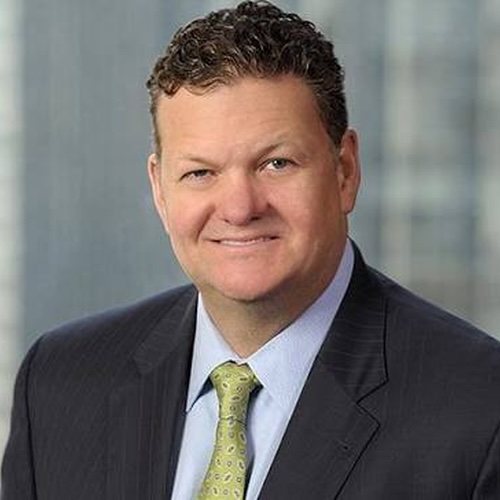 Justin Wilcox
Sponsors