Agenda
Panels, times and speakers subject to change. Initial descriptions written by IPWatchdog. Descriptions will be updated by the panel to more specifically reflect the conversation that will be had by panelists.
Monday, Apr 21, 2025
2:00 PM ET
Artificial Intelligence Today: A Discussion of the Technical Landscape of AI
Artificial Intelligence (AI) has largely become the term used to generically describe a variety of related but different concepts, often wrapping together AI, Machine Learning (ML), and Generative AI as if they all relate to the same thing. These related but different technologies differ in scope, function, and techniques used. Generally speaking, AI focuses on techniques and applications that create…
 Dina Blikshteyn
 Dustin Raney
 Jason Alan Snyder
 Malek Ben Salem
Artificial Intelligence (AI) has largely become the term used to generically describe a variety of related but different concepts, often wrapping together AI, Machine Learning (ML), and Generative AI as if they all relate to the same thing. These related but different technologies differ in scope, function, and techniques used. Generally speaking, AI focuses on techniques and applications that create…
,3:30 PM ET
Exploring US and Global Regulation of Artificial Intelligence *
The rapid advancement of artificial intelligence (AI) technology has brought about significant challenges and opportunities in the realm of intellectual property (IP) law. This panel will delve into the intricate relationship between IP and AI, examining how current US and global regulations are adapting to the unique demands posed by AI innovations. We will explore key issues such as the…
 Hon. Bowon Kwon
 Bijou Mgbojikwe
 Nazli Saka
 Josh Singer
The rapid advancement of artificial intelligence (AI) technology has brought about significant challenges and opportunities in the realm of intellectual property (IP) law. This panel will delve into the intricate relationship between IP and AI, examining how current US and global regulations are adapting to the unique demands posed by AI innovations. We will explore key issues such as the…
,5:00 PM ET
How Can the United States Achieve Global AI Dominance? *
In an Executive Order signed on January 23, 2025, President Donald J. Trump committed to the United States being at the forefront of artificial intelligence (AI) innovation, with development of AI systems that are free from ideological bias or social agendas. “It is the policy of the United States to sustain and enhance America’s global AI dominance in order to…
 Rama Elluru
 David Lin
 Michael Richards
In an Executive Order signed on January 23, 2025, President Donald J. Trump committed to the United States being at the forefront of artificial intelligence (AI) innovation, with development of AI systems that are free from ideological bias or social agendas. “It is the policy of the United States to sustain and enhance America’s global AI dominance in order to…
,Tuesday, Apr 22, 2025
9:30 AM ET
AI, Antitrust and the Trump Administration *
Antitrust enforcement agencies and private plaintiffs are preparing to challenge alleged anticompetitive uses of artificial intelligence (AI). Growing scrutiny is being placed on algorithmic practices that may facilitate collusion and drive up prices. Additionally, concerns are mounting over potential anticompetitive mergers involving AI assets—particularly in cloud computing—as well as the misuse of AI by digital platforms to establish or maintain…
 Alden Abbott
 David Geiger
 Nate Harris
 Thomas Hazlett
 Taylor Owings
Antitrust enforcement agencies and private plaintiffs are preparing to challenge alleged anticompetitive uses of artificial intelligence (AI). Growing scrutiny is being placed on algorithmic practices that may facilitate collusion and drive up prices. Additionally, concerns are mounting over potential anticompetitive mergers involving AI assets—particularly in cloud computing—as well as the misuse of AI by digital platforms to establish or maintain…
,11:30 AM ET
AI, Copyrights and the Future of Content Creation *
Artificial Intelligence (AI) platforms are consuming copyrighted works at an astonishing rate. Photos, artwork, music, and written text are being taken to train AI platforms. The data being consumed by AI to train platforms are often known to be databases full of pirated works. And regardless of your viewpoint, excusing the wholesale copying of expression as fair use will significantly…
 Susan Chertkof
 Allison Gaul
 Terry Hart
 Alison Pepper
 John Strand
Artificial Intelligence (AI) platforms are consuming copyrighted works at an astonishing rate. Photos, artwork, music, and written text are being taken to train AI platforms. The data being consumed by AI to train platforms are often known to be databases full of pirated works. And regardless of your viewpoint, excusing the wholesale copying of expression as fair use will significantly…
,2:00 PM ET
Quantum AI and IP: Navigating the Next Frontier of Innovation
Quantum computing has the potential to revolutionize artificial intelligence (AI) by significantly enhancing computational power and efficiency. Unlike classical computers, which process information using binary bits (i.e., 1s and 0s), quantum computers use quantum bits, or qubits as they are often called. These qubits, which can exist in multiple states simultaneously due to superposition and entanglement, allow quantum computers to…
 Robert Plotkin
 Gene Quinn
 Sarah Schlotter
Quantum computing has the potential to revolutionize artificial intelligence (AI) by significantly enhancing computational power and efficiency. Unlike classical computers, which process information using binary bits (i.e., 1s and 0s), quantum computers use quantum bits, or qubits as they are often called. These qubits, which can exist in multiple states simultaneously due to superposition and entanglement, allow quantum computers to…
,3:30 PM ET
The AI Data Dilemma: Protecting Individuals While Empowering Platforms *
As artificial intelligence (AI) continues to reshape industries, it presents both groundbreaking opportunities and distinct challenge–for example, with regard to users’ data rights management and ownership. If a model is trained or fine-tuned using proprietary data, who owns the resulting parameters or architectural modifications? These improvements can represent valuable intellectual property, making it critical to define ownership and usage rights…
 Delara Derakhshani
 Douglas Leite
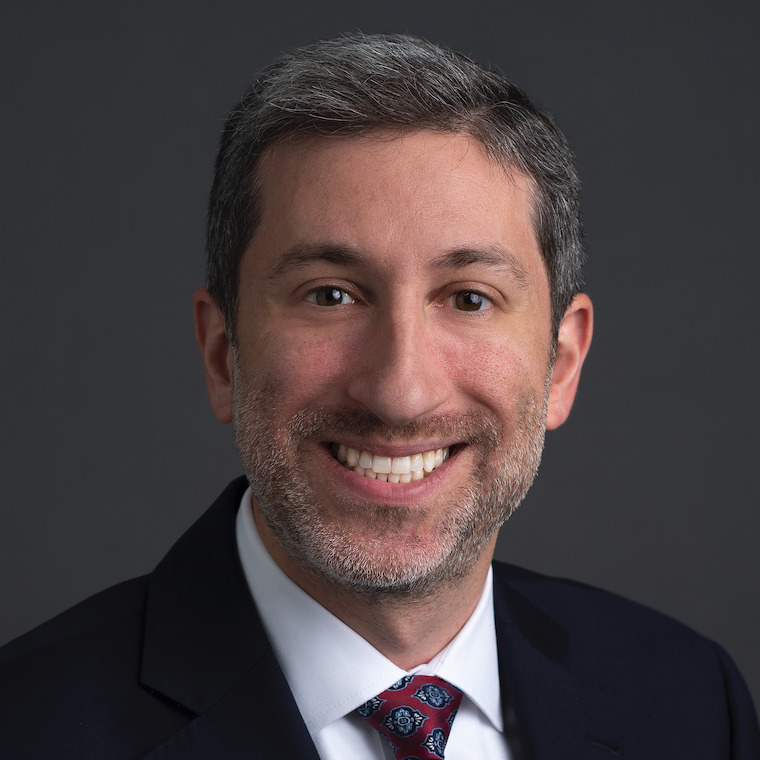 John Zevitas
As artificial intelligence (AI) continues to reshape industries, it presents both groundbreaking opportunities and distinct challenge–for example, with regard to users’ data rights management and ownership. If a model is trained or fine-tuned using proprietary data, who owns the resulting parameters or architectural modifications? These improvements can represent valuable intellectual property, making it critical to define ownership and usage rights…
,5:00 PM ET
Patent Prosecution & Examination in the Age of AI*
Patent prosecution is more challenging than ever. Amid ongoing economic pressures, patent practitioners—both in-house and outside counsel—are being asked to accomplish more within existing budgets. At the same time, courts and patent offices worldwide demand increasingly detailed, technically robust patent applications. Meanwhile, the USPTO is facing a near-record backlog. Balancing these real-world realities without compromising quality is requiring not only…
 Jason Harrier
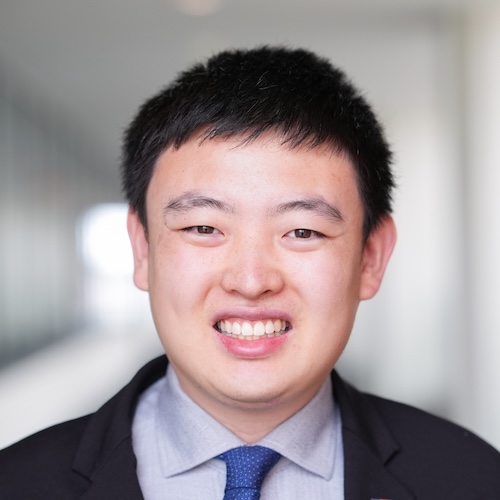 Jerry Ma
 Joe Manico
 Edward J. Russavage
Patent prosecution is more challenging than ever. Amid ongoing economic pressures, patent practitioners—both in-house and outside counsel—are being asked to accomplish more within existing budgets. At the same time, courts and patent offices worldwide demand increasingly detailed, technically robust patent applications. Meanwhile, the USPTO is facing a near-record backlog. Balancing these real-world realities without compromising quality is requiring not only…
,Wednesday, Apr 23, 2025
9:30 AM ET
Unpacking AI Related Subject Matter Eligibility Guidance from the USPTO *
In July 2024, the U.S. Patent and Trademark Office (USPTO) released updated subject matter eligibility (SME) guidance to more directly address emerging technologies—specifically AI technologies. The guidance included three new and detailed examples using hypothetical claims to address common situations such as whether a claim recites an abstract idea or whether a claim integrates the abstract idea into a practical…
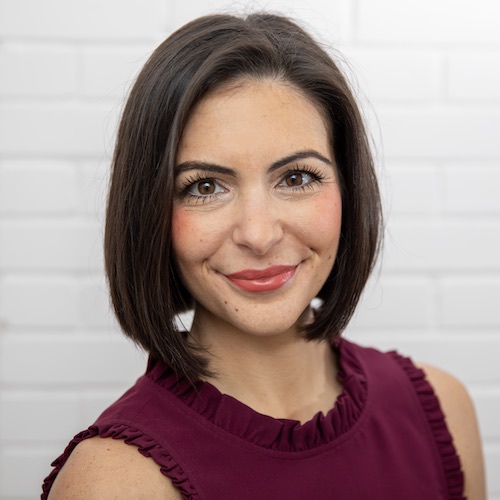 Stephanie Curcio
 Clint Mehall
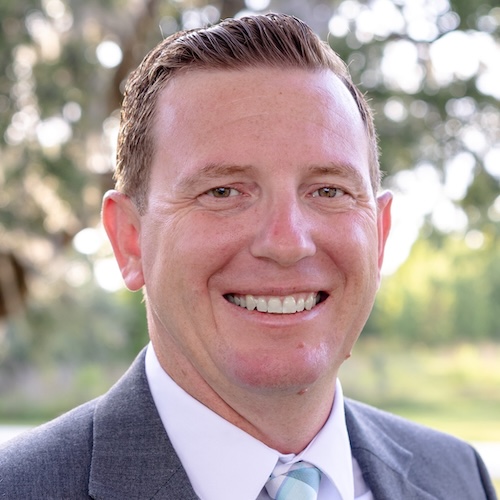 John Rogitz
Edward J. Russavage
John Rogitz
Edward J. Russavage
In July 2024, the U.S. Patent and Trademark Office (USPTO) released updated subject matter eligibility (SME) guidance to more directly address emerging technologies—specifically AI technologies. The guidance included three new and detailed examples using hypothetical claims to address common situations such as whether a claim recites an abstract idea or whether a claim integrates the abstract idea into a practical…
,11:00 AM ET
IPWatchdog Unleashed: With Edward Russavage and John Strand
A conversation with two shareholders from Wolf, Greenfield & Sacks, PC. Ed Russavage and John Strand, who were both speakers at our AI 2025 program. As the program wrapped up, and in front of a live studio audience, we sat down to discuss the current state of the industry from a client’s perspective, and focused our conversation on IP risk…
Edward J. Russavage
John Strand
A conversation with two shareholders from Wolf, Greenfield & Sacks, PC. Ed Russavage and John Strand, who were both speakers at our AI 2025 program. As the program wrapped up, and in front of a live studio audience, we sat down to discuss the current state of the industry from a client’s perspective, and focused our conversation on IP risk…
,12:15 PM ET
IPWatchdog Unleashed
A conversation that was recorded at the end of our AI 2025 program in front of a live studio audience. Joining me were Stephanie Curcio, Clint Mehall, and John Rogitz, who make up the new IPWatchdog Advisory Committee. They have all been long-time attendees at our events, they often speak on panels, they often written articles for us, and now…
Stephanie Curcio
Clint Mehall
John Rogitz
A conversation that was recorded at the end of our AI 2025 program in front of a live studio audience. Joining me were Stephanie Curcio, Clint Mehall, and John Rogitz, who make up the new IPWatchdog Advisory Committee. They have all been long-time attendees at our events, they often speak on panels, they often written articles for us, and now…
,Thank You to Our Sponsors!